Complete Guide to Zero-Drop Cushioned Running Shoes 2026: 28+ Tested

Comprehensive guide to zero-drop cushioned running shoes covering 28+ models, stack height analysis (21-33mm), durability data, Altra's category dominance, and expert recommendations for road and trail runners.

So you want a zero-drop shoe!? But you’re not ready to give up the cushion.

I get it; cushion has its benefits. Although I can’t promise that barefoot shoes won’t come up at some point 🙂

In this comprehensive guide, I’m breaking down everything you need to know about zero-drop cushioned shoes: what defines them, why Altra dominates this space (26 of 28 shoes tested!), how stack height affects your running, which models last, and—most importantly—how to choose the right shoe for YOUR needs.

I’ve tested 28+ zero-drop cushioned models, analyzed durability patterns, broken down stack heights from 21-33mm, and identified the best options for road, trail, beginners, ultra-runners, and everyone in between.

Whether you’re transitioning from traditional shoes or looking for the perfect balance of natural biomechanics and protection, this guide has you covered.

Affiliate Disclosure: By clicking through the links on this page and purchasing the products, you’ll be helping me out. This is done because I receive a kickback from the sellers at no extra cost to you! Thank you so much for supporting us!

What Defines Zero-Drop Cushioned Shoes?

Zero-drop cushioned shoes combine a completely flat platform (0mm heel-to-toe drop) with substantial cushioning (typically 21-33mm stack height) and a foot-shaped design philosophy. This makes them fundamentally different from both traditional running shoes and barefoot/minimalist options.

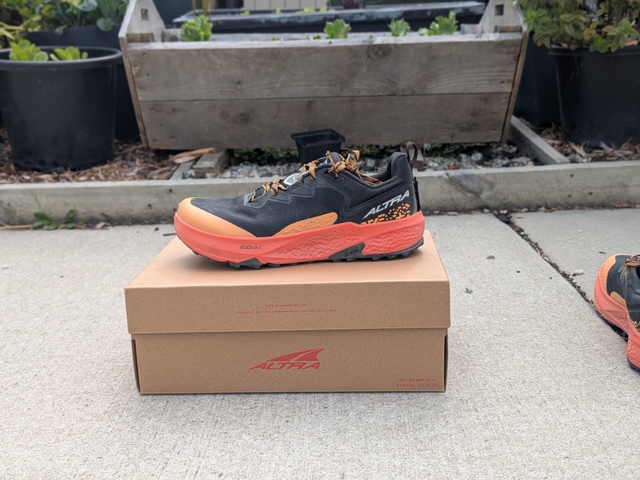
altra lone peak 9 logo

Here’s what sets them apart:

The Zero-Drop Platform

Traditional running shoes have a raised heel—anywhere from 4mm to 12mm higher than the forefoot. This heel elevation tilts your body forward and encourages heel striking. Zero-drop shoes place your heel and forefoot at exactly the same height, creating a flat, stable platform that promotes natural foot positioning and midfoot/forefoot striking.

This isn’t just about form. Research shows that zero-drop shoes reduce impact forces on your knees and encourage your feet and lower legs to do the work they’re designed to do. Your Achilles tendon and calf muscles get stronger because they’re actually being used properly. Word of warning though, when transitioning from traditional shoes to zero-drop, you have a higher risk of injury so take it slow!

The Cushioning Component

Here’s where zero-drop cushioned shoes differ dramatically from barefoot shoes. While barefoot shoes typically max out at ~14mm of stack height to maximize ground feel, zero-drop cushioned shoes pack 21-33mm of foam between you and the ground.

That extra cushioning serves a purpose: it protects your feet during the transition period when your muscles and connective tissues are still adapting. It also makes these shoes viable for longer distances, heavier runners, and people who aren’t ready to feel every pebble on the trail.

The tradeoff? You sacrifice some ground feel and proprioceptive feedback. But for many runners—especially beginners—that’s a worthwhile exchange for the protection and comfort.

The Foot-Shaped Philosophy

This is where things get really interesting. Because we’re talking mostly about Altra and other foot-forward companies, these shoes almost universally sport foot-shaped toe boxes. That’s not a coincidence—it’s central to their design philosophy. When a brand commits to zero-drop, they’re usually committed to letting your foot function naturally, and that means giving your toes room to spread.

What does “foot-shaped” mean? It means the toe box is widest at the ends of your toes—not at the ball of your foot like traditional running shoes. Your toes can splay naturally. There’s no taper that squeezes your forefoot into a point. The shoe follows the actual outline of a human foot.

This design reduces blisters, prevents bunions, improves balance, and lets your toes function as the stability platform they’re meant to be.

Performance Characteristics

Based on my analysis of 28 zero-drop cushioned shoes, here’s what you can expect:

  • Average stack height: 25mm (range: 21-33mm)
  • Average weight: 280g (heavier than barefoot shoes at 246g)
  • Ground feel: 50% offer moderate ground feel, 46% offer light ground feel
  • Durability: 43% excellent, 36% average, 21% poor or below-average

The bottom line: Zero-drop cushioned shoes are the perfect middle ground between traditional cushioned shoes and barefoot minimalism. You get the biomechanical benefits of zero-drop without sacrificing protection. You get foot-shaped comfort without the learning curve of ultra-thin soles.

The Altra Dominance Story: Why One Brand Owns This Category

Let me introduce you to the reality of my testing: Out of the 28 zero-drop cushioned shoes I’ve tested, 26 of them are Altra.

The other two? Topo Athletic and the Bahé Revive. I never got on with Topo’s arch support—I just don’t agree with the philosophy. But Bahé? That’s a true contender to Altra’s options, and one I’ll be watching closely.

How Altra Created This Category

Altra didn’t just enter the zero-drop cushioned market—they invented it.

Founded in 2009 by Golden Harper and Brian Beckstead in a running shop basement in Utah, Altra had a simple but radical idea: what if running shoes were shaped like human feet instead of forcing feet into shoe-shaped boxes?

They combined three revolutionary design principles:

  • Zero-drop platform (flat from heel to toe)
  • Foot-shaped toe box (wide at the toes, not tapered)
  • Some cushioning (enough protection for long distances)

At the time, the running shoe market offered you two extremes: heavily cushioned shoes with 10-12mm drop and narrow toe boxes (think Nike, Brooks, Asics) or ultra-minimal barefoot shoes with no cushioning at all (think Vibram FiveFingers, early Merrell).

Altra created the middle ground. And runners responded enthusiastically.

Midsole Lone Peak 7

Why Competitors Haven’t Caught Up

Here’s what I find fascinating: despite Altra’s success, almost no other brands have seriously competed in this space. Why?

Manufacturing philosophy conflict. Most traditional running shoe brands are deeply invested in the “more cushioning + heel elevation = better performance” narrative. Switching to zero-drop would mean admitting their entire product line is biomechanically suboptimal. That’s a tough pill for shareholders to swallow.

Market positioning. Brands like Topo Athletic and Bahé serve the zero-drop market, but they’ve chosen to focus on different niches. Neither has tried to directly challenge Altra’s dominance across the full range of road and trail options.

Years of refinement. Altra has spent 15+ years perfecting their zero-drop cushioned formula. They’ve iterated on dozens of models, learned what works, built relationships with runners, and established brand loyalty. That head start matters.

The Altra Lineup: What 26 Models Tells Us

Having 26 models in one category isn’t just market dominance—it’s a full product ecosystem. Altra offers zero-drop cushioned options for:

  • Road running: Escalante series (lightweight), Torin series (mid-max cushion), Rivera series (narrow footed daily trainer)
  • Trail running: Lone Peak series (versatile all-rounder), Superior series (minimal cushion), Timp series (max cushion), Olympus series (ultra-max)
  • Specialty terrain: Mont Blanc series (technical trails, race options), Outroad series (hybrid road/trail)
  • Racing: Escalante Racer (lightweight speed)
  • Gym: Solstice XT

This breadth means that no matter your running style, terrain preference, or cushioning needs, there’s an Altra zero-drop shoe designed specifically for you.

Compare this to Topo Athletic, which has exactly one trail shoe in the zero-drop cushioned category. Or Bahé, which has one road shoe. Altra doesn’t just dominate—they offer the only comprehensive selection.

Stack Height Breakdown: Understanding the 21-33mm Range

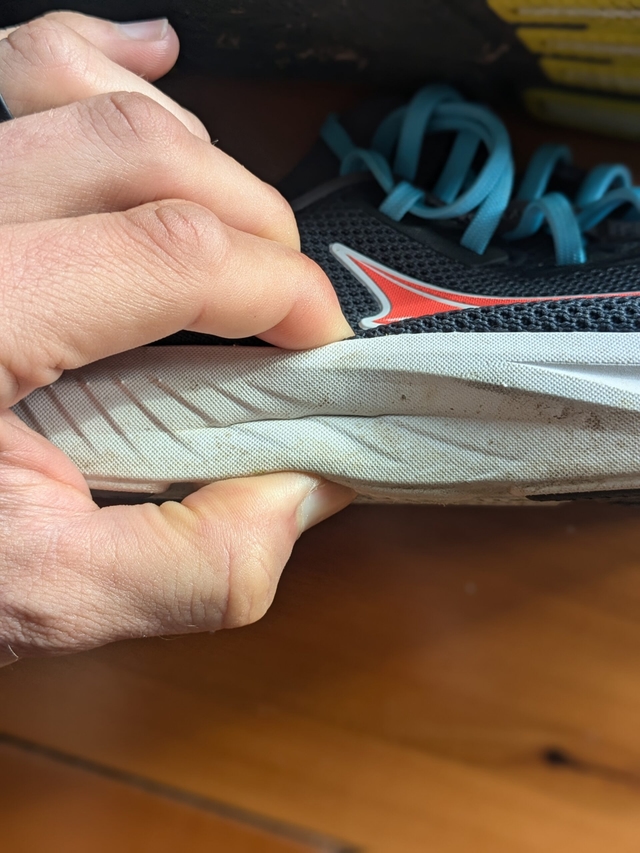
One of the most misunderstood aspects of zero-drop cushioned shoes is stack height. Stack height is the total amount of material between your foot and the ground—essentially, how much cushioning you’re running on.

stack height measurement on zero drop shoe

In the zero-drop cushioned category, stack heights range from 21mm up to 33mm. That 12mm difference might not sound like much, but it dramatically changes how the shoe feels and performs.

The Minimal-Cushion Zone (21-23mm)

These are the “barely cushioned” zero-drop shoes that bridge the gap between true barefoot and full cushioning. They give you enough protection to handle longer runs but maintain substantial ground feel.

Shoes in this range:

  • Altra Superior 7: 21mm
  • Altra Escalante Racer 2: 22mm
  • Altra Solstice XT 3: 23mm
  • Bahé Revive Endurance: 22mm

Who they’re for: Experienced runners transitioning from barefoot shoes who still want some cushioning. Trail runners who prioritize ground feel and agility over maximum protection. Lightweight runners who don’t need as much shock absorption.

What to expect: You’ll feel the trail or road through the shoe. Rocks and roots register clearly. Your feet do more work stabilizing and adjusting to terrain.

The Standard-Cushion Zone (24-25mm)

This is the sweet spot—where most of Altra’s popular models land. You get meaningful cushioning for protection while maintaining reasonable ground feel and keeping weight in check.

Shoes in this range:

  • Altra Escalante 3 & 4: 24mm
  • Altra Lone Peak 9 & 9+: 25mm

Who they’re for: The vast majority of runners. These work for beginners transitioning from traditional shoes, experienced zero-drop runners who want versatility, trail runners tackling varied terrain, and road runners logging serious mileage.

What to expect: Balanced performance. You get enough cushioning to protect your feet during long runs or on rough terrain, but not so much that you lose connection with the ground.

The Max-Cushion Zone (26-30mm)

These shoes prioritize protection and comfort over ground feel. You’re getting close to traditional “plush” running shoe cushioning while maintaining zero-drop geometry.

Shoes in this range:

  • Altra Outroad & Outroad 3: 27mm
  • Altra Rivera 3 & 4: 28mm
  • Altra Torin 8: 30mm
  • Altra Timp 4 & 5: 29mm
  • Altra Mont Blanc: 30mm

Who they’re for: Heavier runners who need more shock absorption. Ultra-distance runners prioritizing comfort over responsiveness. Runners recovering from injury. People transitioning from heavily cushioned traditional shoes.

What to expect: Plush, comfortable rides. You sacrifice ground feel and add weight, but gain significant protection for long distances.

The Ultra-Max Zone (31-33mm)

This is maximal cushioning territory—nearly as much foam as traditional max-cushion shoes like Hoka, but with zero-drop geometry.

Shoes in this range:

  • Altra Olympus 5 & 6: 33mm
  • Altra Mont Blanc Carbon: 29mm (close to this category)

Who they’re for: Ultra-distance runners (50+ miles). Runners chasing speed—the extra stack height can lengthen your stride. People who love the biomechanics of zero-drop but can’t give up plush cushioning.

What to expect: Cloud-like comfort. Impact forces are dramatically reduced, which can be a lifesaver during 100-mile ultras. But you lose almost all ground feel and the shoes are heavier.

Stack Height and Durability: A Surprising Pattern

Here’s something interesting I discovered analyzing these 28 shoes: stack height inversely correlates with durability at the extremes.

  • Low-stack shoes (21-23mm): 67% excellent durability
  • Mid-stack shoes (24-27mm): 50% excellent durability
  • High-stack shoes (28-33mm): 31% excellent durability

Why? My theory: Thicker foam compresses and breaks down faster. More material means more opportunities for degradation.

The bottom line on stack height: 24-25mm is the sweet spot for most runners. You get meaningful cushioning, maintain reasonable ground feel, keep weight manageable, and—critically—these shoes tend to last longer than their ultra-plush counterparts.

Zero-drop road running shoes

Now let’s dive into the specific shoes. I’ve organized these by terrain (road vs. trail) and included detailed fit and feel analysis for each.

Altra Escalante Racer 2

If you’re on the hunt for a low-stack yet cushioned road shoe, the Altra Escalante Racer 2 should definitely be on your radar. Designed for speed yet built with comfort in mind, I’m not sure the “racer” name is 100% true.

But with a blend of minimalism and cushioning, the Racer 2 offers a unique experience that complements both seasoned minimalists and those transitioning from more cushioned footwear.

Elegant Escalante 3

A familiar wide toe box promotes natural foot movement. True to Altra’s heritage, the Escalante Racer 2 features a roomy toe box that encourages optimal splay of the toes. This design allows your big toe to splay comfortably, promoting natural foot biomechanics. Compared to the rest of the range, the Racer maintains a spacious feel with subtle tapering that won’t constrain your midfoot.

Moderate depth enhances comfort without sacrificing performance. While the Escalante Racer 2 has an average depth, it doesn’t skimp on space for toe movement, which is often a concern with Altra models. The open weave upper provides a breathable, snug fit without feeling restrictive, fostering a sense of security without the fear of excessive slippage. This feature is particularly useful when transitioning between different running surfaces or speeds.

Altra Escalante tongue

Firm cushioning strikes a balance for speed and responsiveness. At 22mm stack height, the Racer offers a firmer feel compared to its cushy counterpart, the Escalante 4. This firmness isn’t a drawback, as it promotes a stable base for faster runs and enhanced ground feedback. It may require a few runs to break in, but once it does, the midsole starts to yield just enough cushion to make each step feel responsive yet grounded—ideal for pushing those PRs.

Durability enhancements make it a wise choice for regular use. Many Altra models have faced criticism for premature wear, but the Racer 2 seems to be an improvement in this department. The upper utilizes a semi-flexible material that holds up better under stress while the reinforced lacing eyelets add an extra layer of stability. While the outsole is designed to minimize weight, it may lead to less longevity for certain wear patterns, particularly if you rely heavily on your midfoot during runs.

Altra Escalante Outsole

Who is the Altra Escalante Racer 2 for?

Fit : Suitable for runners with an average to wider foot. While the toe box allows for ample room, those with a broader midfoot may want to experiment with lacing adjustments for the best fit.

Feel : Firm low-stack cushion for minimalists looking to incorporate a bit of cushioning into their rotation or anyone looking to transition into lower-stacked runners.

masszymes review

AltraRunning.com – (30-day free returns)

Altra Escalante Racer 2

Type: Road

Width: Wide

Stack height: 22mm

Weight: 220g

The closest to barefoot you can get in Altra shoes.. Read the full Review

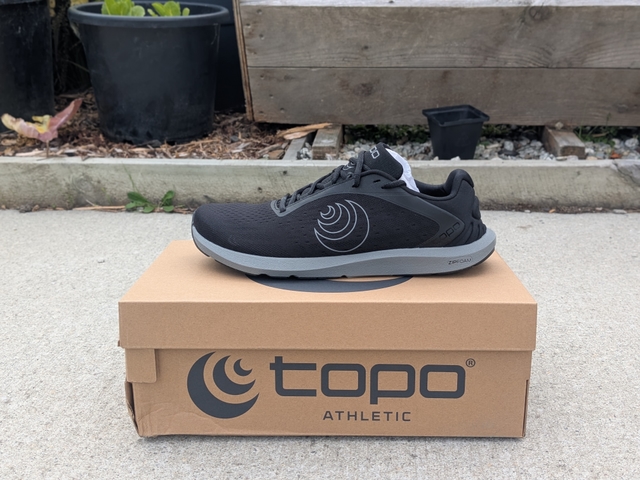
Topo Athletics ST-5

Topo Athletics ST-4 zero drop

When it comes to zero-drop shoes with ample cushioning, Topo Athletics is a brand that often enhances the conversation, right up there with Altra. While both brands began with minimalistic models, they’ve expanded their offerings over time.

One standout in the Topo collection is the ST-5—coming in at a nimble 14mm stack height, it strikes a balance between ground feel and cushioning, making it an enticing option for runners seeking a touch more softness. However, the ST-5 isn’t without its quirks, which we’ll explore below.

Topo Athletics ST-4 Outsole

The toe box is plenty wide enough to fit most foot types. Taking a bird’s eye view of the ST-5 highlights the width of the toebox, minimal taper around the big toe, and the (generally speaking) more square-than-conventionally-shaped shoes. These attributes mean that 95% of foot types will fit the toebox with no issues.

The heel could use a little more work. The heel cup is an odd design, using a wetsuit-like material with minimal padding. Usually, an unstructured heel works well for me, but this time the collar just didn’t wrap around and lock me in a place like I’d want to. The feeling didn’t translate into any problems during a run, but I can’t say it was perfect. This particular design would be most comfortable for those with a slightly larger ankle or broader heel.

Topo Athletics ST-4 heel cuff

14mm of softer cushion is the sweet spot. There’s a fine line between high-cushioned and loss-of-ground feel, and ST-5 straddles that perfectly! When I planted my foot, I could feel a little give which I would describe as squishy, which makes them perfect for long, easy runs as a barefoot runner. For others, they’ll suit shorter distances or as a transition shoe from a conventional shoe brand.

Arch support….. seriously?! The conventional shoe industry has no issue with arch support in shoes. But in the barefoot world, arch support is a no-no. Your arch has a specific purpose in the running gait. It should be trained to take the load upon landing and act as a spring upon take off. While the support is minimal, and I technically only felt it when walking, it’s there. The design flies in the face of the original Topo designs, where barefoot was king, so why the change?

Who’s the Topo ST-5 for?

Those who can’t do the Escalante for some reason.

Fit : Wide toe box and an average depth. The heel lock could be an issue for some.

Feel : Great ground feel; just ensure you rotate with a barefoot option so you don’t lose that arch strength!

masszymes review

AltraRunning.com – (30-day free returns)

Topo ST-5

Type: Road

Width: Wide

Stack height: 14mm

Weight: 187g

Great mixture of minimal and cushion, with one flaw.. Read the full Review

Bahé Revive Modes

Bahe Revive Modes - three stack heights

Bahé took an interesting approach with the Revive Modes: three identical shoes with different stack heights. You get the Flex (10mm), Adapt (14mm), and Endurance (22mm)—all with the same fit, upper, and grounding technology. The only difference? How much cushion sits between you and the ground.

This means you can dial in your preferred level of cushioning without relearning a shoe’s fit. Want minimal ground feel? Grab the Flex. Need more protection for longer efforts? The Endurance has you covered. It’s a smart system that lets you match cushioning to your training needs.

A spacious and accommodating fit in width and volume, ideal if other brands feel restrictive. All three modes fit identically—true to size but roomy in the midfoot. If you’re between sizes, try a half-size down for a snugger fit while keeping adequate toe space. The anatomical toe box lets your toes spread comfortably, perfect for deeper feet needing relief from pressure.

Choose Your Cushion Level. The Flex (10mm) sits in minimalist territory, the Adapt (14mm) bridges minimal and cushioned, and the Endurance (22mm) competes directly with traditional cushioned zero-drop shoes. All three are zero-drop and flexible, maintaining that barefoot DNA while giving you stack options based on your run, recovery needs, or transition stage.

bahe revive flex

Solid Build Quality with Grounding Tech. The Revive Modes are constructed with TPU overlays and recycled polyester mesh, indicating solid build quality. The 2.5mm lugs handle roads and light trails well, though they’re not ideal for muddy conditions. The softer rubber outsole may wear more quickly on roads but should perform well across varied terrain.

Grounding Technology Across All Models. Every Revive Mode features unique grounding technology aimed at electrically connecting you with the earth. While the evidence mainly pertains to grounding practices rather than shoe-specific studies, the potential for reducing inflammation and enhancing recovery is intriguing. All three models maintain this feature regardless of stack height.

bahe revive outsole

Who is the Bahé Revive for?

Fit: All three Revive Modes suit average to wide-footed runners who need depth and space. If you’ve felt restricted by other brands, these shoes will provide the room you desire. The identical fit across models means you can switch between stack heights without adjusting to a new shoe.

Feel: Pick your stack based on your needs. The Flex (10mm) gives you near-barefoot ground feel with a touch of protection. The Adapt (14mm) balances ground connection with enough cushion for longer efforts. The Endurance (22mm) delivers cushioned comfort while maintaining zero-drop and flexibility—perfect for recovery runs or those still transitioning from traditional shoes.

masszymes review

AltraRunning.com – (30-day free returns)

Bahé Revive Modes

Type: Road / Light Trails

Width: Wide

Stack height: 10mm

Weight: ~267g

Three stack heights, one perfect fit. Choose your cushion level without changing your shoe. Read the full Review

Zero drop trail running options

Altra King MT 2

The Altra King MT 2 revives earlier designs, first released in 2019 and reintroduced due to demand. It combines ruggedness and performance with 6mm lugs and a 19mm stack height, ideal for tough trails.

However, does it compete with modern trail shoes? Let’s analyze.

altra king mt 2 style

The Altra King MT 2 features a classic toe box but is not the widest option. The forefoot permits some toe splay, but the big toe area is narrower than the Escalante and aligns more with the Lone Peak, possibly limiting depth and width. Sizing up is essential for comfort. The midfoot provides more room than most Altra models, ensuring a snug fit thanks to the power strap, which secures the midfoot during descents and minimizes forward slippage.

Which Altra Shoe is for you?

Take a quick 4-question quiz to identify the perfect Altra running shoe for your feet! You'll get both road and trail options based on your answers!


The King MT 2 strikes a balance with its 19mm stack height, offering protection without sacrificing ground feedback. A rock plate adds rigidity and protects against sharp rocks, perfect for technical terrain. However, it limits flexibility, making it less suitable for those seeking a barefoot feel. While this trade-off benefits rugged trails, minimalist runners may feel less adapted.

altra king mt 2 outsole 2

The Vibram outsole is a standout feature, delivering impressive grip on various surfaces. The aggressive lug pattern excels in mud and navigates alpine trails, providing assurance on slippery or rocky paths. For those needing a shoe for extreme environments, the King MT 2 offers superior traction.

altra king mt 2 pair upper

Constructed with solid materials, the upper feels robust yet carries a somewhat dated design. Stitched overlays and a thicker toe cap enhance durability, but the weight may not suit everyone. Practical features like drainage holes and a velcro gaiter strap improve functionality for trail runners. However, concerns about durability remain due to potential wear in stitched areas, though early tests show resilience.

Who is the Altra King MT 2 for?

Fit : Ideal for average to wide feet seeking a snug midfoot fit from the power strap. Size up for comfort, especially if extra toe room is needed.

eel : This shoe provides grip for technical trails, perfect for racers and adventurers prioritizing traction over minimalism. The King MT 2 excels on rugged terrains.

masszymes review

AltraRunning.com – (30-day free returns)

Altra King MT 2

Type: Trail

Width: Wide

Stack height: 19mm

Weight: 280g

Old School but still beats the modern shoes.. Read the full Review

Altra Superior 7

Altra superior 7 zero drop option

Another one from Altra, because they make the best trail running shoes!

The Superior 7 is similar to the Lone Peak, just cut back somewhat.

Less stack height, more minimal, and more ground feel. It’s a throwback to when Altra made ground feel king!

Altra Superior 7 outsole with Max Track rubber

The forefoot is wide and beautifully squared towards the big toe. Altra’s foot-shaped toebox still exists! It’s wide enough for super toe splayers and even fits my stupid bulbous big toe. 🙂 The taper on the little toe side is moderate—not quite as wide as the Lone Peak, but it should fit most foot shapes well.

The main change in design is the tongue. Moving away from the burrito tongue. It’s now a semi-gusseted, traditional tongue that allows for more volume expansion in the upper, making the shoe more accessible for everyone. This is a huge improvement over the Superior 6!

Altra Superior 7 wide toebox

This shoe is designed for optimal ground feel and flexibility. It’s genuinely among the most flexible of all Altra trail shoes. The midsole feels softer and more compliant, almost like standing on a thin layer of foam rather than a hard platform. It’s great to feel the rocks underfoot, but not damage your feet at the same time!

The outsole, with its Max Track rubber, has been revised and is the standout feature of the Superior 7. It feels more tacky—definitely an improvement in grip—and the lug pattern is more trail-oriented than older versions. On dry terrain, the grip was excellent. I could run confidently over uneven surfaces with a sense that I barely had a shoe on my foot.

Who’s the Altra Superior 7 for?

Fit: Wide toebox with a shallow depth. Great for those who drown in a Lone Peak.

Feel: Light, flexible, and barefoot to the core! This is Altra’s most minimal trail runner.

altra superior 7

AltraRunning.com – (30-day free returns)

Altra Superior 7

Type: Trail

Width: Wide

Stack height: 21mm

Weight: 230g

The most minimal trail runner from Altra with excellent ground feel and flexibility. Read the full Review

Beyond the top 5 above, here are more excellent options organized by use case:

Best for Road Racing & Speed

Altra Escalante 4 (24mm, 240g)

The Escalante 4 is a lightweight daily road trainer with responsive foam. The knit upper is comfortable for long runs, and the 24mm cushioning protects without feeling heavy. Average durability means plan for replacement around 400-500km, but it’s an excellent value at $130.

Altra Escalante 4

Best for: Daily road running, tempo runs, half and full marathon training.

Read Full Escalante 4 Review

Altra Torin 8 (30mm, 283g)

Max-cushion road shoe for long distances and racing. The 30mm stack provides plush comfort—I use it for road racing because the extra stack can lengthen your stride. Improved durability with thicker upper mesh and full outsole coverage.

Altra Torin 8

Best for: Marathon training, road racing, recovery runs, heavier runners who need more cushioning.

Read Full Torin 8 Review

Altra Rivera 4 (28mm, 267g)

Daily road trainers with balanced cushioning. Less plush than the Torin but lighter and more versatile. Good middle ground between cushion and responsiveness.

Altra Rivera 4

Best for: Daily road training, runners who want cushioning without maximum thickness.

Read Full Rivera 4 Review

Best for Trail Running & Ultras

Altra Lone Peak 9 & 9+ (25mm, 283g)

The gold standard for zero-drop trail running. MaxTrac rubber outsoles grip wet rocks and muddy trails beautifully. The 25mm cushioning absorbs impacts from roots and rocks without feeling mushy. The 9+ adds a Vibram outsole for improved durability.

Altra Lone Peak 9

Best for: All-around trail running, from smooth single-track to technical mountain terrain. Expected durability: 300-500 miles.

Read Lone Peak 9 Review | Read Lone Peak 9+ Review

Altra Timp 5 & Timp 5 BOA (29mm, 277-299g)

Max-cushion trail shoes for ultra-distance and rough terrain. The 29mm stack absorbs serious abuse over 50+ mile distances. The Vibram Megagrip outsole is excellent for grip. Less responsive than the Lone Peak but more protective.

Altra Timp 5

Best for: Ultra-marathons, extremely rocky trails, runners who prioritize comfort over speed. Expected durability: 400+ miles.

Read Timp 5 Review | Read Timp 5 BOA Review

Altra Olympus 6 (33mm, 300g+)

Ultra-max cushioning for 100+ mile events. The 33mm of foam feels like running on clouds. Quality control can be inconsistent, but when they work, they’re excellent for ultra-distance.

Altra Olympus 6

Best for: Ultra-distance runners (100+ miles), maximum cushioning preference. Durability varies: 50-500 miles depending on the pair.

Read Olympus 6 Review

Best for Hybrid Terrain

Altra Outroad 3 (27mm, 270-280g)

Hybrid road/trail shoes designed for runners who encounter mixed terrain. The outsole works on both pavement and dirt but excels at neither. Average durability.

Altra Outroad 2

Best for: Runners who split time 50/50 between roads and trails, commuter runners who need versatility.

Read Outroad Review

The Durability Question: What Lasts and What Doesn’t

Durability is where zero-drop cushioned shoes get interesting—and frustrating.

Out of 28 shoes I’ve analyzed, 12 have excellent durability (43%), 10 have average durability (36%), and 6 have poor or below-average durability (21%). This is actually pretty good compared to traditional running shoes, but there’s massive variation between models.

Durability Champions (300-500+ miles)

Altra Lone Peak 9/9+: The 9+ with Vibram outsole offers the best longevity. Expect 300-500 miles with the main concern being upper wear rather than outsole degradation.

Altra Superior 7: Despite being minimal (21mm), excellent durability. The EVA midsole will pack out, but with only 21mm of stack, degradation is manageable. Expect 300-400 miles.

Altra Timp 5: The Vibram Megagrip outsole is the star here. Some users report 400+ miles, even up to 1,100 miles in one Reddit report. Thin upper mesh is the weak point.

Average Durability (300-400km)

Altra Escalante 4: Softer foam means faster breakdown than trail shoes. Outsole wear is the main concern around 150-200 miles, but many users report 300-500km total.

Altra Torin 8: Good durability for a road shoe thanks to full-coverage rubber outsole. The midsole packs out in the first 30-40km but stabilizes after.

Altra Rivera 4: The Rivera 3 had excellent durability, but the Rivera 4 dropped to average. Still decent for a daily road trainer.

Durability Concerns (<300km)

Altra Mont Blanc & Mont Blanc Carbon: These are race-day shoes, not daily trainers. At $220-$260, getting under 300km is frustrating. The Vibram Litebase compound trades durability for weight savings.

Altra Olympus 5/6: Wildly inconsistent. Some users get 500+ miles, others experience catastrophic failures (sole delamination) within weeks. Quality control lottery.

Durability Patterns

After analyzing these 28 shoes, here are the key patterns:

1. Trail shoes outlast road shoes The Lone Peak, Superior, and Timp series outlast the Escalante and Rivera series. Trail-specific construction uses tougher materials.

2. Lighter foam = faster breakdown When Altra makes shoes softer and lighter, they sacrifice durability. You can’t have ultra-plush, ultra-light, and ultra-durable all in one shoe.

3. Stack height correlates with durability problems As mentioned earlier, shoes with 28-33mm stack have lower durability rates (31% excellent) compared to 21-25mm shoes (58% excellent). More foam = more degradation opportunities.

4. Premium price ≠ premium durability The Mont Blanc Carbon costs $260 and lasts <250km. The Lone Peak 9 costs $150 and delivers 300-500 miles. Don’t assume expensive equals durable.

Price Tiers and Value Analysis

Zero-drop cushioned shoes range from $130 to $260, with most models clustering around $140-$160.

Budget Tier ($130-$140) – Excellent Value

  • Altra Escalante 4: $130 (road, 24mm)
  • Altra Rivera 4: $130 (road, 28mm)
  • Altra Superior 7: $130 (trail, 21mm)

These are your best value options. The Escalante 4 is a fantastic daily road trainer. The Superior 7 is an excellent lightweight trail shoe.

Cost per km: $0.23-$0.25/km

Mid-Tier ($140-$170) – Good Value

  • Altra Lone Peak 9: $150 (trail, 25mm)
  • Altra Lone Peak 9+: $170 (trail, 25mm with Vibram)
  • Altra Timp 5: $155 (trail, 29mm)
  • Altra Torin 8: $150 (road, 30mm)

The Lone Peak 9 at $150 offers solid durability (300-500 miles) at mid-tier prices. The 9+ at $170 adds Vibram for improved longevity.

Cost per km: $0.24-$0.25/km

Premium Tier ($200-$260) – Mixed Value

  • Bahé Revive Endurance: $215 (road/trail, 22mm)
  • Altra Mont Blanc: $220-$240 (technical trail, 30mm)
  • Altra Mont Blanc Carbon: $260 (racing, 29mm)

The Bahé Revive has above-average durability and premium materials, justifying the price if you want grounding technology and deeper/wider fit.

The Mont Blanc series has poor durability despite premium pricing. Paying $260 for <250km is bad value unless you're specifically racing and price isn't a concern.

Cost per km: $0.38 (Bahé) to $1.04/km (Mont Blanc Carbon)

Who Should Buy Zero-Drop Cushioned Shoes?

Not every runner needs or benefits from zero-drop cushioned shoes. Here’s who they’re ideal for—and who should look elsewhere.

Perfect For:

1. Beginners Transitioning from Traditional Shoes

If you’ve been running in Nike Pegasus or Brooks Ghost with 10-12mm heel drop, zero-drop cushioned shoes are the ideal first step toward natural running. You get the flat platform that promotes better form without sacrificing cushioning. Still, rotate them in slowly—start with 1-2 short runs per week.

Start here: Altra Escalante 4 (road) or Lone Peak 9 (trail)

2. Wide-Footed Runners or Those with Bunions

Most zero-drop cushioned shoes offer wide toe boxes. The Altra Lone Peak 9, Escalante 4, and Bahé Revive Endurance all let your toes splay naturally, reducing pressure on bunions.

Start here: Altra Lone Peak 9 or Bahé Revive Endurance

3. Ultra-Distance Runners

If you’re running 50+ miles, the combination of zero-drop biomechanics and substantial cushioning (25-33mm) helps you survive ultra-distance abuse. Many thru-hikers run in zero-drop cushioned shoes because they offer the best balance.

Start here: Altra Lone Peak 9 (50-100km ultras) or Altra Olympus 6 (100+ miles)

4. Runners Recovering from Heel or Knee Injuries

Zero-drop shoes reduce impact forces on your knees by promoting midfoot/forefoot striking. The cushioning protects your feet during recovery. Good for runner’s knee, plantar fasciitis, and IT band syndrome. (But transition gradually!)

Start here: Altra Torin 8 (30mm stack) or Rivera 4 (28mm)

5. Runners Who Want Biomechanical Benefits Without Barefoot Commitment

Maybe you’re curious about natural running but not ready to feel every pebble. Zero-drop cushioned shoes give you 80% of the biomechanical benefits with 20% of the commitment. For a deeper look at the differences, check out my complete guide comparing barefoot, minimalist, and zero-drop shoes.

Start here: Altra Escalante 4 (road) or Lone Peak 9 (trail)

Not Ideal For:

1. Runners Seeking Maximum Ground Feel

If your goal is to feel the trail/road and maximize proprioceptive feedback, zero-drop cushioned shoes have too much foam (21-33mm stack). Look at barefoot shoes instead (4-12mm stack).

2. Narrow-Footed Runners

The wide toe boxes feel sloppy for genuinely narrow feet. If you have narrow feet, try the Altra Timp 5/BOA or Rivera 4 which offer medium/narrow toe boxes.

3. Competitive Road Racers Prioritizing Lightweight Speed

Zero-drop cushioned shoes are heavier (average 280g) than racing flats. If you’re chasing PRs in 5Ks or half marathons, traditional racing shoes are faster. The exception: Altra Escalante Racer 2 (219g) is lightweight enough for competition.

Conclusion

Zero-drop cushioned shoes occupy a unique and valuable space in the running shoe ecosystem. They give you the biomechanical benefits of zero-drop—flat platform, natural foot positioning, stronger feet and lower legs—without sacrificing cushioning or comfort.

For beginners transitioning from traditional shoes, they’re perfect. For wide-footed runners, they solve fit problems the conventional market can’t. For ultra-runners, they provide the protection needed to survive 50-100+ mile distances. And for runners recovering from heel or knee injuries, they offer an alternative to the status quo.

The category is dominated by Altra, who literally invented this market segment. Their foot-shaped toe boxes, zero-drop platforms, and variety of options have set the standard that other brands haven’t seriously challenged.

If you’re new to zero-drop, start with the Altra Escalante 4 (road) or Lone Peak 9 (trail). Both offer balanced performance and mid-range pricing. If you want minimal cushioning, get the Superior 7. If you want max cushioning, get the Torin 8.

And if Altra’s fit doesn’t work for you, try the Bahé models. They’re the only serious alternative in the category.

If you found this guide helpful and want to explore more about the barefoot and minimalist running world, check out my complete guide to barefoot shoes with 37 tested models or learn about budget-friendly barefoot options under $100.

And that’s your top 5 zero-drop shoes!

Some for the trail and some for the road.

Just remember, the main factor on all these shoes is fit, so if you want to drill down into more details on any of these shoes, check out the full reviews below.

Nick
Nick

Nick is a UESCA-certified ultramarathon coach and avid barefoot runner, having over 5 years of experience in barefoot training and has competed in multiple ultra marathons wearing barefoot shoes. Starting his journey in the running industry over 10 years ago in New Zealand, Nick evolved from a running shoe salesperson to a passionate advocate for the transformative power of barefoot running. He believes in its potential to enhance running experiences for all and combines his unique insights from both personal achievements and professional coaching to guide and inspire the running community."

Articles: 177

16 Comments

  1. You should get a hold of the Whitin zero drop running shoes with wide toe box to review. Strikingly similar to one of the brands in your list @ 1/3 the price. Would probably be a great option for those unable to spring for $150 Altras or the like.

    I actually got them instead of some of the other options on your list being a newer runner who is doing reletively short (sub 5 mile) runs and is on the frugal side but loves barefoot shoes.

    • Yeah, I like the idea, and I’ve seen them in the past.

      What model do you have? How do you think the durability will be?
      From what I see, they only do barefoot/minimal stack height options?

      • I agree.. esp since ppl who are zero-drop curious might not be able or willing to spend that much on an experiment. I just purchased Whitin, too. A pretty basic line, but I’m loving the increased flexibility in sole! Please review!

        • Thanks for the further recommendation. I’ve found a model with a 5mm stack height, so certainly in the barefoot style. I’ll look at reviewing these towards the end of the year. Thanks!

  2. Thanks for taking the time to put this together, Nick. When the Altra Escalante first hit the shelves, I recommended it to clients. Unfortunately, the current version has more stack height, and the soft cushioning system means the foot is in an unstable environment.

    It’s great to see Topo featured, and I love the color of those Lems!

    Your review of the Altra Lone Peak and Superior 6 was helpful, and with so few options these days, both shoes are worthy of recommending to my clients. Thanks again!

    • Thanks for the kind words Rick!

      I agree; something is missing in the market today. Lower stack height, soft and flexible. Inov8 used to cover that, and Altra did too, but now they’ve all moved in different directions. The Altra Escalante Racer could fill this gap still, but it’d be great to have something more durable.

  3. Hi, firstly I want to say your reviews are the best around. I am not a runner but I fitness walk between 5 and 8kms per day. I want to buy a pair of Already and my local shop only had Timp4 shoes and I am not a fan of the garish orange but they felt very comfortable. My question is which shoe would you recommend as a fitness walker. I’m leaning toward the Torin 7.
    Thank you in advance
    Steve

    • Thanks so much for your kind words!
      Personally, if I were to promote the philosophy behind Barefoot Run Review, if you’re choosing a walking shoe, I’d suggest looking at minimal/barefoot shoes. You’d work your distance up to let your feet build the strength they’re lost over the years.
      But if you’re still looking for cushion, then I’d suggest looking at a lower stack height than the Torins. The Escalante 3 would be a good choice if you know Altra’s fit well.

  4. Lone Peaks are a no go – slippery on wet, zero ground feel and they wear and tear quickly. Mine lasted less than a year – the foam became flat and the sides tore. So they were comfy but only for some limited time. Plus they are “slower” than discontinued Salomon S/Lab Sense or Inov-8 Terrafly 270.
    If it goes for 0 drop – Traifly g 270 are the best imho

    • That’s a shame you didn’t have a good experience. Which version of the Lone Peak did you have?
      For me, Trailfly’s have never worked due to the narrow/taper big toe area. I’ve tried the newer versions of Inov8 with the anatomical toe box, but I still found the, to be restricting when compared with Altra.
      For me, fit comes first. Hence, I like reviewing foot shaped shoes, but I understand that other options can used in certain situations without causing harm.
      Thanks for reading and replying!

  5. I’ve been using Altra escalante for several years. The shoes are little bit to narrow in the mid foot.
    Is there any option to Altra,s that have the same amount of cushion but a bit wider?
    Thanks in advance

    • The Escalante 4’s feel a little wider in the midfoot than the 3. But they’re still not super wide.
      It’s hard to find something with the same cushioning level, but if you’re willing to reduce that cushioning a little you have Bahe Revive, Lems Primal, or Freet Skeeby that all fit wider in the midfoot.
      Are you looking to run in the shoe, or is it more for casual use?

  6. Thanks Nick for this article & your youtube videos on barefoot shoes. Your reviews & advice are very helpful! I have benefited from moving towards more barefoot/minimalist footware (“tools”).

    • Thanks so much Ken! I’ll keep on trying to bringing the content so you can continue to find the right “tools”! 🙂

Leave a Reply

Your email address will not be published. Required fields are marked *