
Looking for zero drop shoes you can actually wear all day? You're not alone. Finding the right zero drop walking shoe is completely different from finding...
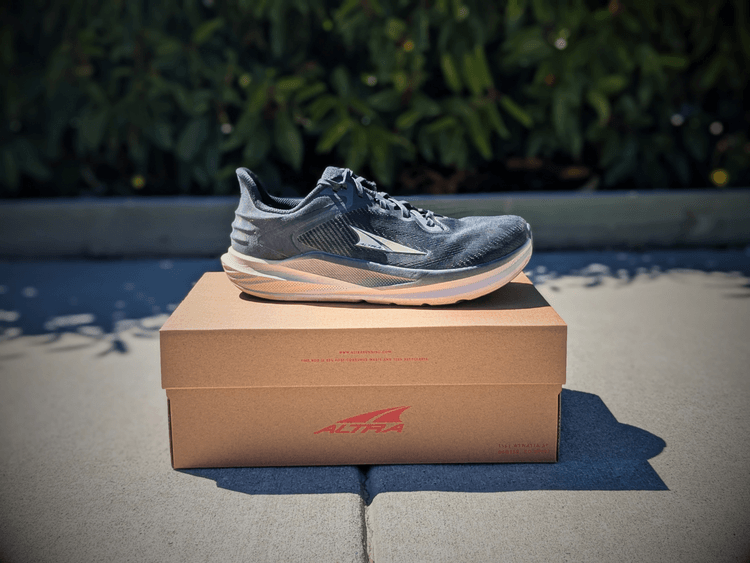
Looking for zero drop shoes you can actually wear all day? You’re not alone.
Finding the right zero drop walking shoe is completely different from finding a good running shoe. After testing dozens of pairs for daily wear over the past two years, I’ve learned what actually matters for all-day comfort.
If traditional walking shoes leave you with achy feet and poor posture, zero drop walking shoes could make a real difference. The key? Enough cushioning to keep you comfortable for hours — without the elevated heel that throws your body out of alignment.
This guide focuses on cushioned zero drop options — shoes with enough stack height to protect your feet during long days on hard surfaces. If you’re already barefoot-adapted and want thinner, more minimal walking shoes, check out my best barefoot shoes for walking guide instead.
Here’s a quick comparison before we dive in:
| Shoe | Best For | Stack | Weight | Price |
|---|---|---|---|---|
| Altra Escalante 4 | Best Overall | 24mm | 233g (8.2 oz) | $130 |
| Bahé Revive Endurance | Best Grounding Shoe | 22mm | 307g (10.8 oz) | $215 |
| Freet Skeeby | Best for Wide Feet | 10.5mm | 270g (9.5 oz) | $110 |
| Altra Torin 8 | Best for Transition | 30mm | 288g (10.2 oz) | $150 |
Affiliate Disclosure: By clicking through the links on this page and purchasing the products, you’ll be helping me out. This is done because I receive a kickback from the sellers at no extra cost to you! Thank you so much for supporting us!
Why Zero Drop Matters More for Walking Than You Think
The benefits of zero drop shoes become more obvious during long work days than weekend runs. When you’re walking or standing for hours, your foot position affects your entire body — and those effects compound over time.
I didn’t realize how much my old walking shoes affected my posture until I switched. Spending 8-12 hours daily with your heels elevated 10-15mm creates constant stress on your calves, Achilles, and plantar fascia.
Research confirms this. A 2024 study found that higher heels increase ankle stress by up to 75% compared to barefoot walking. Other research shows heel elevation compromises balance throughout your lower body.
Your body compensates by tilting forward, creating tension through your hip flexors, lower back, and even your neck and shoulders.
Zero drop shoes keep your heel and forefoot at the same height. This allows your body to stack naturally over your feet rather than constantly compensating for an artificial heel lift.
A 2019 study found people were faster and more stable during balance tests when wearing minimal shoes. Most people notice they stand taller, feel less fatigued, and experience fewer aches within the first month.
Walking is the perfect gateway to zero drop shoes. Unlike running, walking allows your muscles and tissues to adapt gradually without intense impact forces.
I’ve guided dozens of people through this transition. Those who start with zero drop walking shoes have a much smoother time when they eventually try zero drop running shoes.
What to Look for in Zero Drop Walking Shoes
Comfort Features That Actually Matter
Stack height becomes crucial for all-day wear. I learned this the hard way. My 4mm Vivobarefoot shoes feel perfect for a 5K run, but wearing them for a 10-hour trade show was brutal when you’re not conditioned to them.
Sometimes you want a foot workout, sometimes you don’t. That’s where stack height becomes your friend. The shoes on this list range from 10.5mm to 30mm — all offering genuine cushioning while keeping your heel and forefoot level.
Toe box design matters much more for all-day wear. Shoes that feel fine for an hour run can create hot spots after six hours. Look for anatomical toe boxes that follow your foot’s natural shape. Your feet spread and settle throughout the day.
Durability Considerations for Daily Wear
Daily wear destroys shoes differently than running. I burned through three pairs of running shoes in six months before learning this lesson.
Walking and standing create different stresses than running. You encounter varied surfaces, extended static loading, and different wear patterns. The outsole needs to grip everything from polished floors to wet pavement.
Upper construction can make or break daily wear shoes. Lightweight materials that work for 45-minute runs often fail within months of 8-hour days.
Balance is key. Materials need to breathe while handling constant flexing. Look for strategic reinforcement, quality stitching, and toe boxes that maintain their shape over time.
Heel construction matters more than you’d think. Walking shoes can use a more relaxed heel fit than running shoes, enhancing extended wear comfort. But the heel cup still needs secure containment without pressure points. Slipping heels after 200 hours make every step miserable.
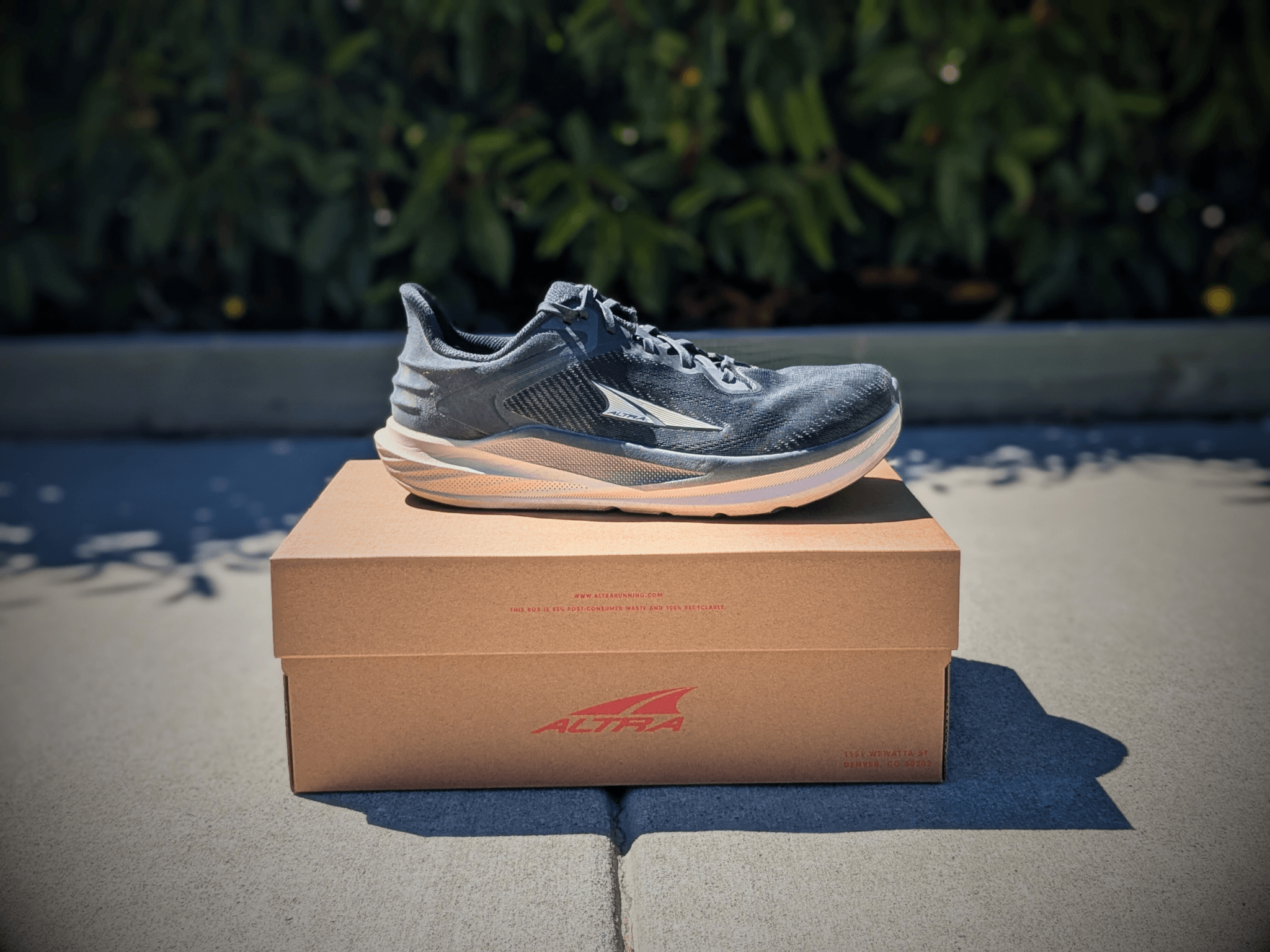
The 4 Best Zero Drop Walking Shoes for 2026
I’ve narrowed down my recommendations to four shoes that excel in different walking scenarios. Each has been tested for extended wear, and I’ll be honest about where they work best and where they fall short.
1. Altra Escalante 4 — Best Overall Walking Shoe
Stack Height: 24mm | Weight: 233g (8.2 oz) | Drop: Zero | Price: $130
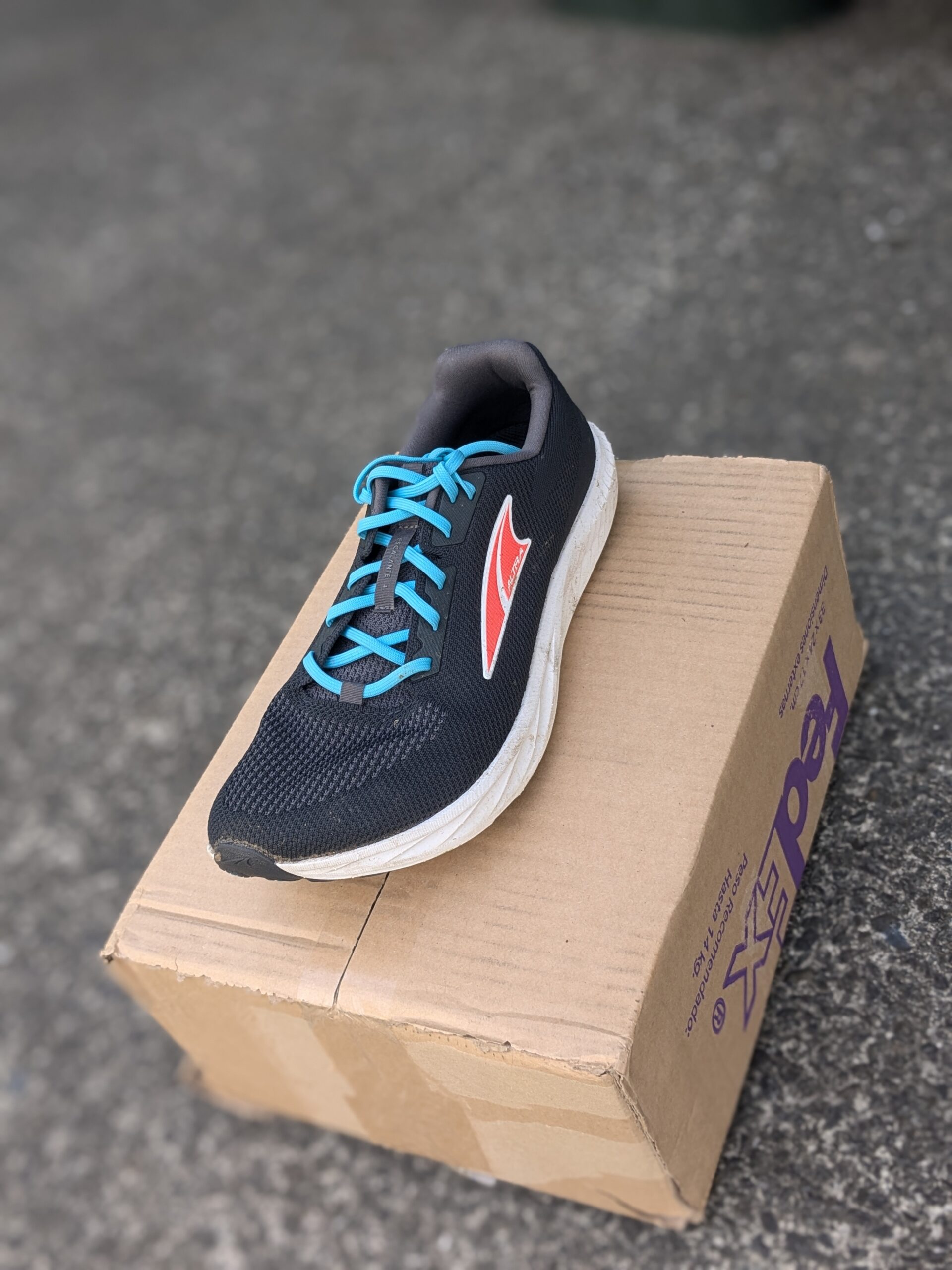
If I could only recommend one zero drop walking shoe, it would be the Escalante 4. It’s a model I’ve put through tests, whether it’s miles of running or all-day travel. After 400km of mixed use, they still strike the perfect balance of comfort, style, and functionality.
The 24mm of cushioning hits the sweet spot for walking. The AltraEGO foam is responsive for longer walks and soft enough for that “plush” feeling. Sometimes I yearn for a little more ground feel, but it all depends how long I’ll be on my feet for. For all-day comfort, 24mm is right where you want to be.
The fit throughout the entire foot sold me on daily wear. Unlike the loose feeling the trail-focused Lone Peak gives, the Escalante 4 provides relaxed but precise heel and midfoot containment while maintaining generous toe box room. The flexible weave upper finally fixes the fit issues from the Escalante 3 — 95% of you will prefer this version.
Sizing runs true for most people. Some may want to switch out the insole to gain a little extra depth, but I find most people are happy with true to size.
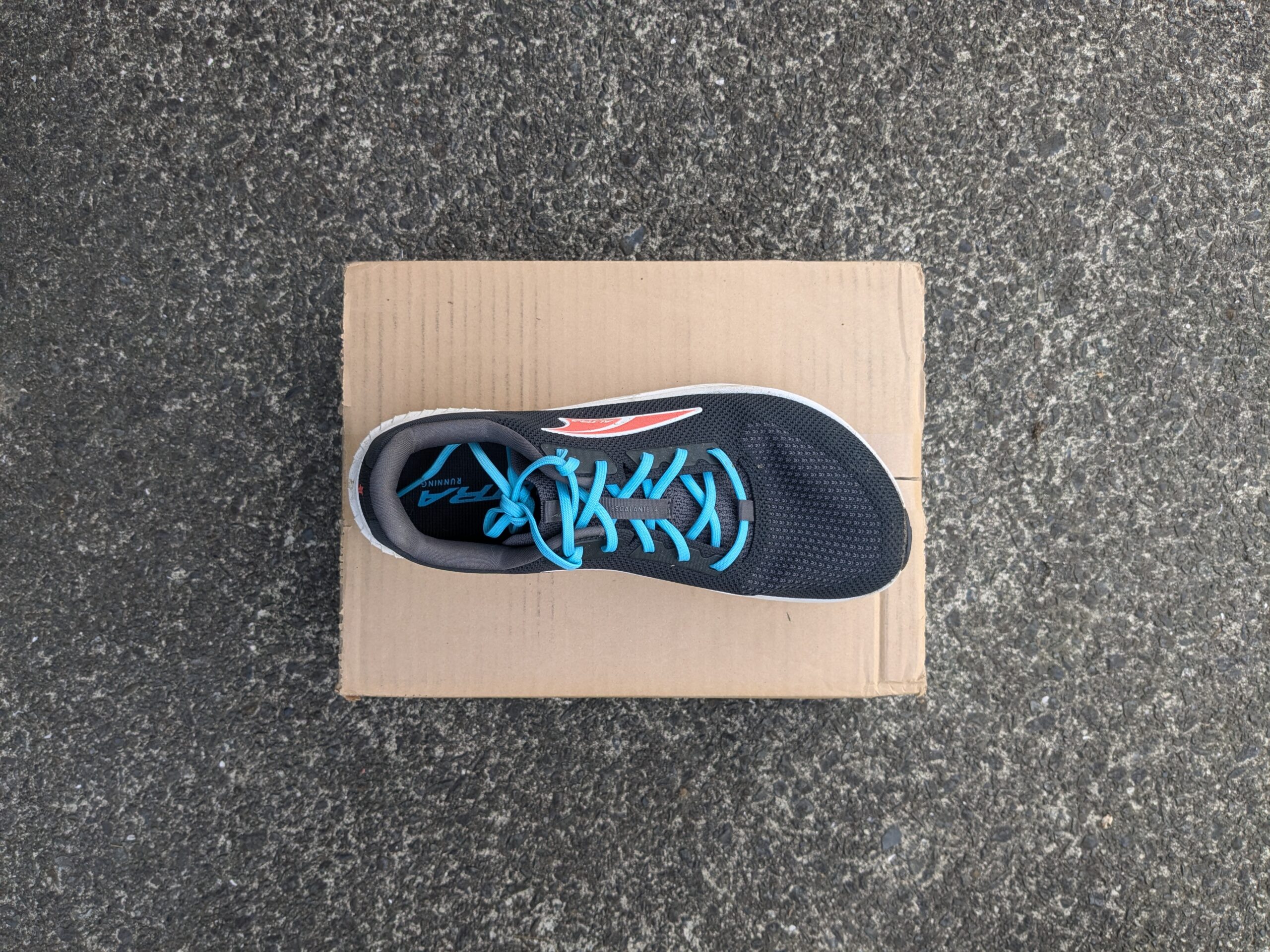
One thing to be aware of: the upper runs warm. In hot weather, your feet will notice. And durability is the Escalante’s known weakness — outsole rubber can delaminate, and the heel collar material can wear through. For walking use, the lower impact forces mean this is less of a concern than for runners, but it’s worth knowing.
Get this if: You want the best balance of cushioning, fit, and style for everyday walking.
Skip this if: You need maximum ground feel or have very narrow feet.
2. Bahé Revive Endurance — Best Grounding Shoe
Stack Height: 22mm | Weight: 307g (10.8 oz) | Drop: Zero | Price: $215
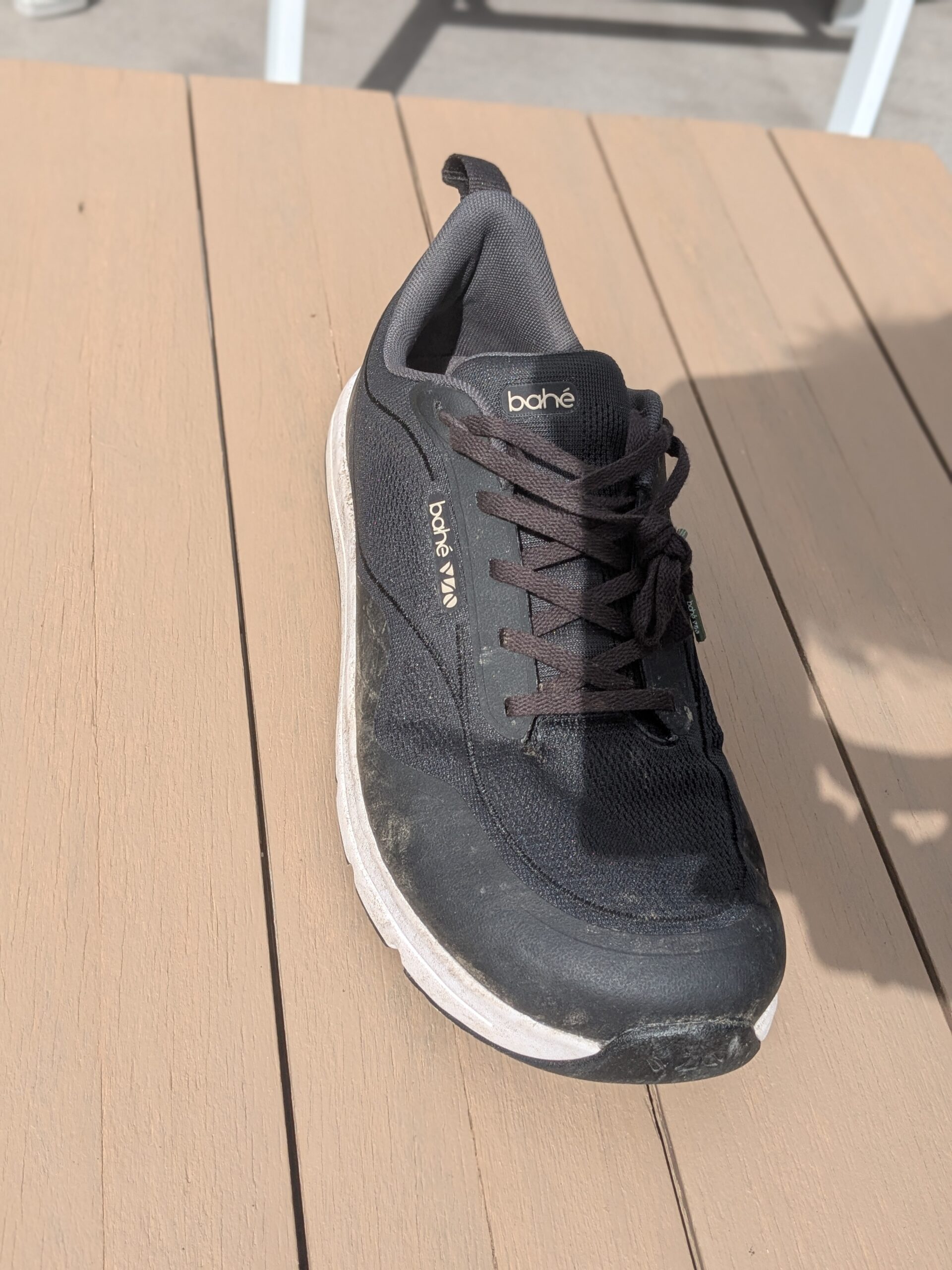
The Endurance is the most cushioned shoe in the Bahé Revive range, and it never feels unstable or mushy. That’s the key difference between the Endurance and other cushioned zero drop shoes. Take the Escalante — great shoe, but it can feel unstable underfoot at times. The Endurance doesn’t have that problem.
The midsole is firm enough to prevent that mushy, rolly sensation I sometimes get in overpadded shoes. The result is a genuinely locked-in platform that feels protective without sacrificing ground connection. Perfect if you’re transitioning from traditional running shoes.
The fit has been refined from the original Revive. The upper is more flexible, making it more comfortable and accommodating for a wider range of foot shapes. The toe box is nicely squared off, giving your toes plenty of room to splay naturally. If you’re between sizes, go up rather than down — Bahé doesn’t offer half sizes.
Bahé has built a “Ground Flow System” into these shoes — conductive material woven through the outsole, midsole, and insole that maintains electrical contact with the Earth when you walk on natural surfaces. The science on grounding is still emerging, but here’s my honest take: I’d buy these shoes regardless of the grounding tech because they’re genuinely good shoes first.
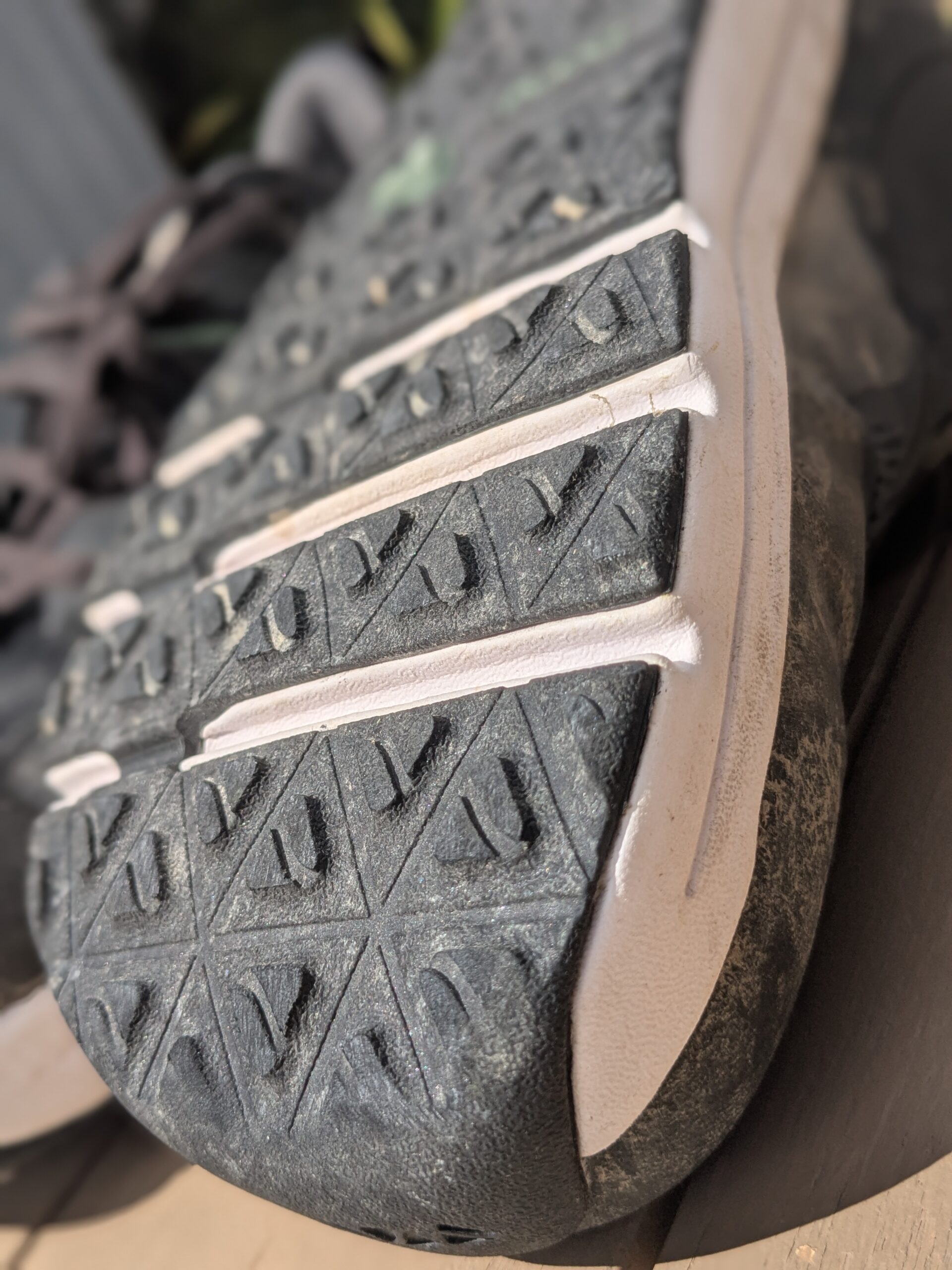
You can remove the insole and get enhanced ground feel. This drops the stack from 22mm to about 19mm and gives you more volume in the shoe — great if you need extra room. I’ve been wearing them with and without the insole, and the versatility this adds is excellent.
One durability note: the soft natural rubber outsole wears quickly on hard surfaces, and I’ve seen reports of glue separation at the forefoot flex point. Watch the upper around the flex slits too — they’re stress zones. On dry trail and gravel, the lugs give enough grip without being overkill.
Use BRR10 to get 10% off at Bahé!
Get this if: You want a stable, cushioned zero drop shoe with grounding technology and a locked-in feel.
Skip this if: You need a truly minimalist experience or want affordable pricing — at $215, the Endurance is a premium option.
3. Freet Skeeby — Best for Wide Feet
Stack Height: 10.5mm | Weight: 270g (9.5 oz) | Drop: Zero | Price: $110
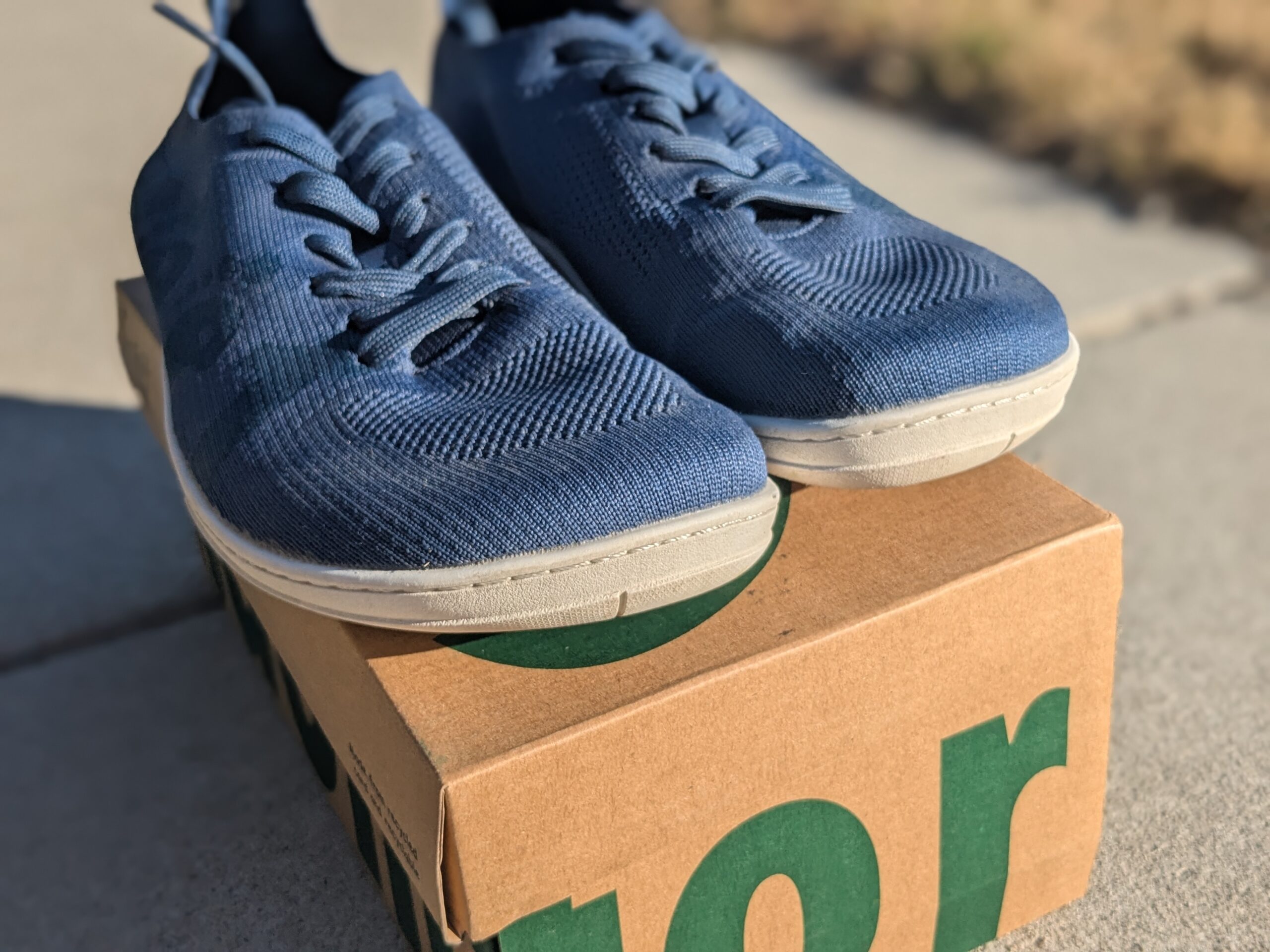
If you’re missing the original Altra Escalante Racer, the Skeeby may be worth a look. It has an exceptionally wide toe box with a natural shape — squared off at the big toe and broad throughout. This fact alone is why many habituated barefoot folk are flocking to Freet shoes.
Here’s the thing — while the Skeeby is technically a minimal shoe at 10.5mm, it fits and feels like a cushioned shoe. The generous midfoot width, considerable depth, and high volume give it the comfort profile of something much thicker. It’s the widest, deepest shoe on this list, and that matters for all-day walking comfort.
The midfoot is wider than many competitors, including brands like Xero Shoes and Vivobarefoot. Combined with considerable depth, the Skeeby suits higher-volume feet that get squeezed out of other zero drop shoes. True to EU sizing, but check Freet’s size guide for US conversions.
The 10.5mm stack has a 4mm removable insole, giving you customisation options. Pull the insole for greater ground feedback, or leave it in for a bit more protection on harder surfaces. The shoe is highly flexible and can roll almost into a ball.
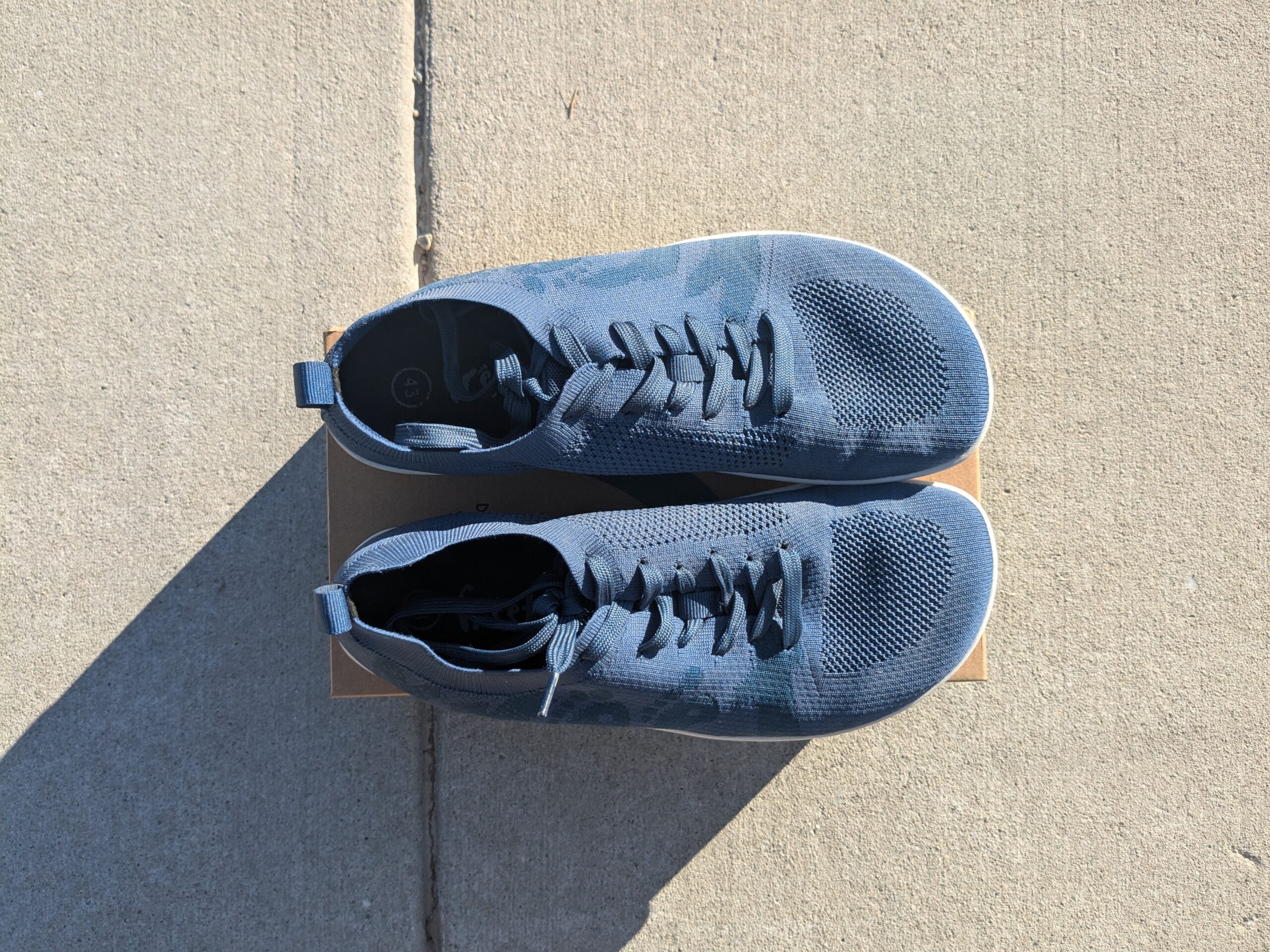
The knit upper is comfortable and conforms to your foot’s shape. It’s soft and pliable, which is great for walking — no hot spots, no break-in. But the flip side is reduced lockdown. For walking, this isn’t a real issue. For running? The heel is soft and unstructured, and your foot doesn’t stay secure enough for faster-paced work.
It’s ultimately comfortable and not “too minimal” for long walks. That’s the Skeeby’s sweet spot — a casual option that can also be worn as an occasional runner. Comfortable enough for all-day wear, wide enough for feet that struggle in other shoes.
Use BRR10 to get 10% off at Freet!
Get this if: You have very wide, deep feet and want a comfortable walking shoe with room to spare at a great price.
Skip this if: You need a secure performance shoe for fast-paced running or varied terrain.
4. Altra Torin 8 — Best for Transition from Traditional Shoes
Stack Height: 30mm | Weight: 288g (10.2 oz) | Drop: Zero | Price: $150
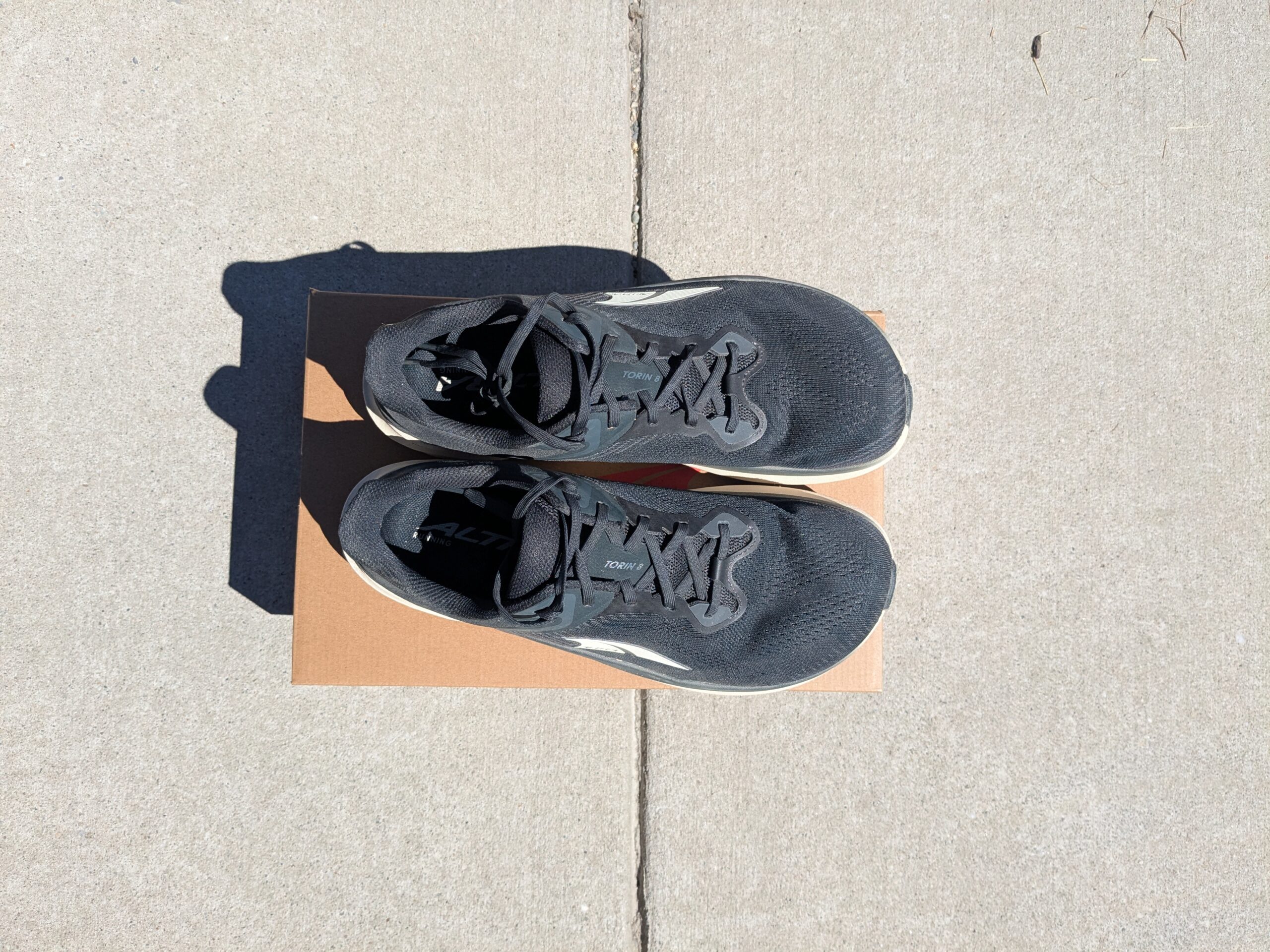
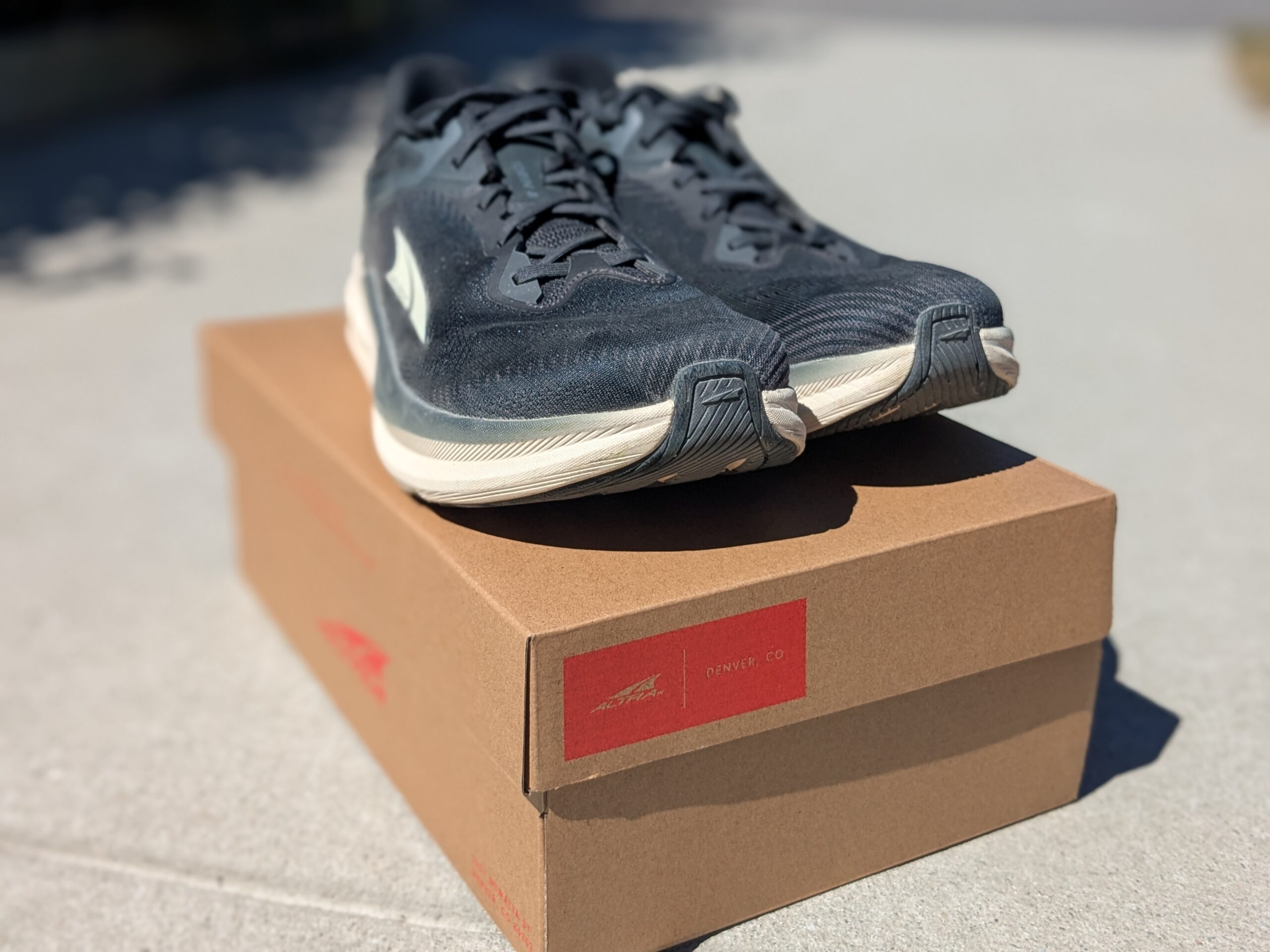
The Torin 8 serves as an excellent bridge shoe for transitioning to zero drop. While the goal might be developing foot strength through the Escalante 4, the Torin 8 provides cushioning and support during adaptation. This shoe is designed for people who spend long hours on their feet and aren’t ready for truly minimal footwear.
The 30mm of cushion is a lot. But it likely feels similar to many traditional options. This cushioning becomes crucial when transitioning to zero drop geometry without years of minimal shoe strength. You’re getting the postural benefits of zero drop without asking your feet to do too much too soon.
Altra’s spacious toe box provides perfect toe splay ability. The Torin 8 ditches the plastic upper overlays from the Torin 7, resulting in a roomier, more flexible upper. The toe box has more depth too, though it remains shallow by Altra standards. The midfoot is snugger than its predecessor, and the stiff heel cup — while divisive — provides solid containment for walking.
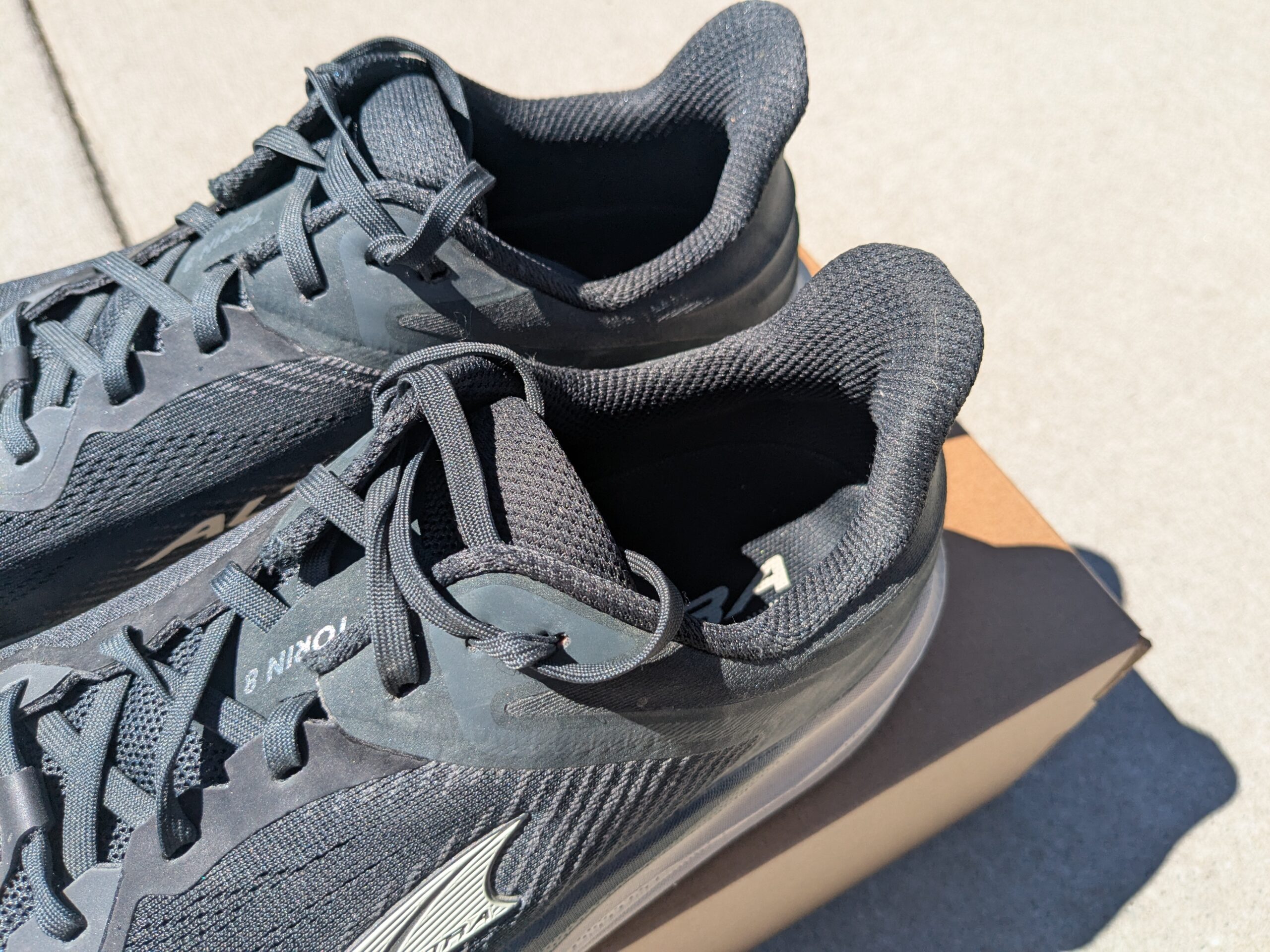
No more ankle bone rubbing! The lowered collar and padded tongue provide a much more comfortable fit than previous versions. I did have to wear longer socks for the first few runs as the higher heel lip rubbed until it was broken in, but once settled, it’s comfortable.
Consider this your stepping stone to more minimal options. The trade-off is weight and ground feel. These feel more like traditional walking shoes than minimalist footwear. The thick midsole isolates you from the ground, limiting proprioceptive benefits. However, this is often a necessary first step. After 3 months in the Torin 8, most people can transition to the Escalante 4’s 24mm platform.
Get this if: You’re coming from traditional shoes and want maximum cushioning while experiencing zero drop for the first time.
Skip this if: You need maximum ground feel or prefer truly minimal shoes.
Transitioning to Zero Drop for Walking
Starting with walking is the smartest approach to zero drop shoes. After helping hundreds of people transition, I’m confident in this advice. Unlike running, where poor adaptation can quickly lead to injury, walking provides a gentler introduction while your tissues strengthen progressively.
Phase 1: Daily Wear Adaptation (Weeks 1-3)
Start with the most cushioned zero drop option available. I recommend the Altra Torin 8 or Escalante 4. Both are forgiving while your body adapts.
Daily activities come before extended walking. Start with grocery shopping, dog walking, and errands. Begin with 15-30 minutes and gradually increase. Mild calf soreness is normal, but sharp Achilles or arch pain means slow down.
Phase 2: Extended Wear (Weeks 4-6)
Start incorporating longer sessions up to 2-3 hours. Complete longer requirements in regular shoes while adapting. Calf raises, towel scrunches, and barefoot walking accelerate transition.
Phase 3: Duration Building (Weeks 7-12)
Conservative increases of 1-2 hours per week prevent injuries. This feels conservative, but it’s necessary. Keep traditional shoes for your longest days until you’re fully adapted. Build tolerance to hard surfaces gradually.
Phase 4: Full Transition
Keep some traditional shoes even after transitioning. They’re helpful when you need maximum cushioning. Once you’re comfortable in the Escalante 4 or Torin 8, you can start exploring lower-stack options. The Bahé Revive Endurance at 22mm is a great next step, or the Freet Skeeby if you want to start feeling the ground more.
For a detailed transition plan, check out my 4 phases of transitioning to barefoot shoes guide.
Common Mistakes
Don’t rush the process. The biggest mistake is trying to wear zero drop shoes 10+ hours on day one.
“My Calves Are Killing Me” — Normal soreness differs from chronic tightness signaling rushed transition.
What works: A slow timeline, daily calf stretching, eccentric calf raises, and professional massage during adaptation.
Active strengthening speeds the process and reduces discomfort.
The Bottom Line
There’s no single “best” zero drop walking shoe — it depends on your feet and where you are in your transition. But here’s how I’d break it down:
- Best overall walking shoe: Altra Escalante 4 — perfect balance of 24mm cushioning, fit, and style for everyday wear
- Best grounding shoe: Bahé Revive Endurance — stable 22mm platform with grounding technology and a locked-in feel
- Best for wide feet: Freet Skeeby — the widest, deepest shoe on this list with a cushioned minimal feel at 10.5mm
- Best for transition: Altra Torin 8 — 30mm of cushion eases you into zero drop without asking too much of your feet
If you’re coming from traditional shoes, start with the Torin 8 and work your way down. After 3 months, the Escalante 4 will feel like the natural next step. And once you’re fully adapted, you can explore truly minimal options in my best barefoot shoes for walking guide — covering shoes from 4mm to 10.5mm for those who want real ground connection.
Start slowly, prioritize proper fit, and give your feet time to adapt. Zero drop walking shoes can transform your daily comfort and foot health when chosen correctly and introduced gradually.
The right pair will change how you think about footwear. Your feet will thank you.
Also, do you have a different experience with any of these? Share it! If you want extra guidance, my inbox is always open on Instagram and via email.
Where to Buy
Altra Escalante 4
Altra Torin 8
Bahé Revive Endurance
Freet Skeeby
We earn a small commission from qualifying purchases at no extra cost to you. This helps support our independent testing.