
Comprehensive guide to barefoot running shoes with 37 tested models, stack analysis, durability data, and recommendations for every runner type.
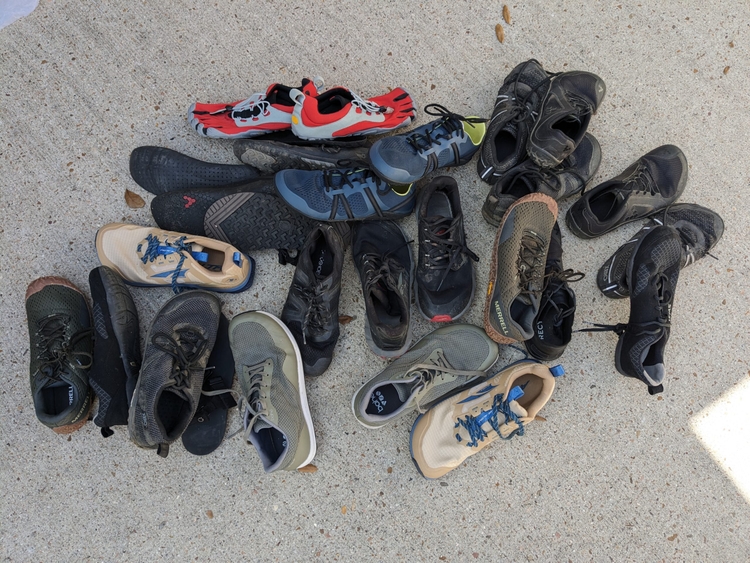
Here’s something I never expected when I started running barefoot: the hardest part wasn’t adapting my feet—it was choosing the right shoes .
Over the past few years, I’ve tested 37 different barefoot running shoes. That’s 37 pairs of shoes with stack heights ranging from 4mm to 14mm, weights from 147g to 400g, and enough variation in ground feel and toe box width to make your head spin. Some lasted 500+ miles. Others fell apart after 200. Some felt like running on clouds (in a good way). Others felt like running on actual rocks (not always in a good way).
This guide breaks down everything I’ve learned from those 37 pairs—which shoes excel at what, where the compromises are, and how to choose the right barefoot shoe for your specific needs. No fluff, no marketing speak, just honest insights from someone who’s logged thousands of miles in these things.
What Makes a Shoe Barefoot?
Let me clear something up right away: “barefoot” doesn’t mean zero cushioning . I know that sounds contradictory, but hear me out. Heck, the term “Barefoot Shoe” doesn’t even make sense in the first please. Barefoot === no shoes. But let’s run with the idea anyway.
After testing 37 models, I’ve learned that the barefoot shoe category is defined by four key characteristics:
1. Minimal Stack Height
Stack height is the total amount of material between your foot and the ground. In my tested lineup, stack heights range from 4mm (genuinely minimalist) to 14mm (a lot for true barefoot shoes).
The average stack height across all 37 shoes is 7.2mm. That’s significant because traditional running shoes typically sit at 25-35mm or higher. True barefoot shoes max out around 14mm—anything higher transitions into minimalist or cushioned categories.
Here’s what different stack heights feel like in practice:
- 4-6mm : Maximum ground feel. You’ll feel texture changes in pavement. Rocks are very noticeable. Best for experienced barefoot runners with strong feet.
- 7-10mm : The sweet spot for most runners. Enough protection for daily training, enough feedback for proprioception.
- 11-15mm : More cushioned feel while maintaining barefoot principles. Great for longer runs or transitioning from traditional shoes. Trail option typically start in this range.
- 16-25mm : Maximum cushioning in the barefoot category. You’ll sacrifice some ground feel but gain comfort for ultra-distances.
2. Zero Drop (Or Close to It)
Zero drop means your heel and forefoot sit at the same height. This is non-negotiable for true barefoot shoes. It allows your Achilles tendon to function at its natural length and encourages a midfoot or forefoot strike pattern.
Of the 37 shoes I tested, 100% have zero drop. And while I’m not against shoes with drop, I feel barefoot shoes should be zero drop by default.
Why does this matter? Traditional running shoes with 8-12mm heel-toe drop artificially shorten your Achilles tendon over time. When you transition to zero drop, you’re essentially re-lengthening that tendon. This is why transition protocols exist—your body needs time to adapt.
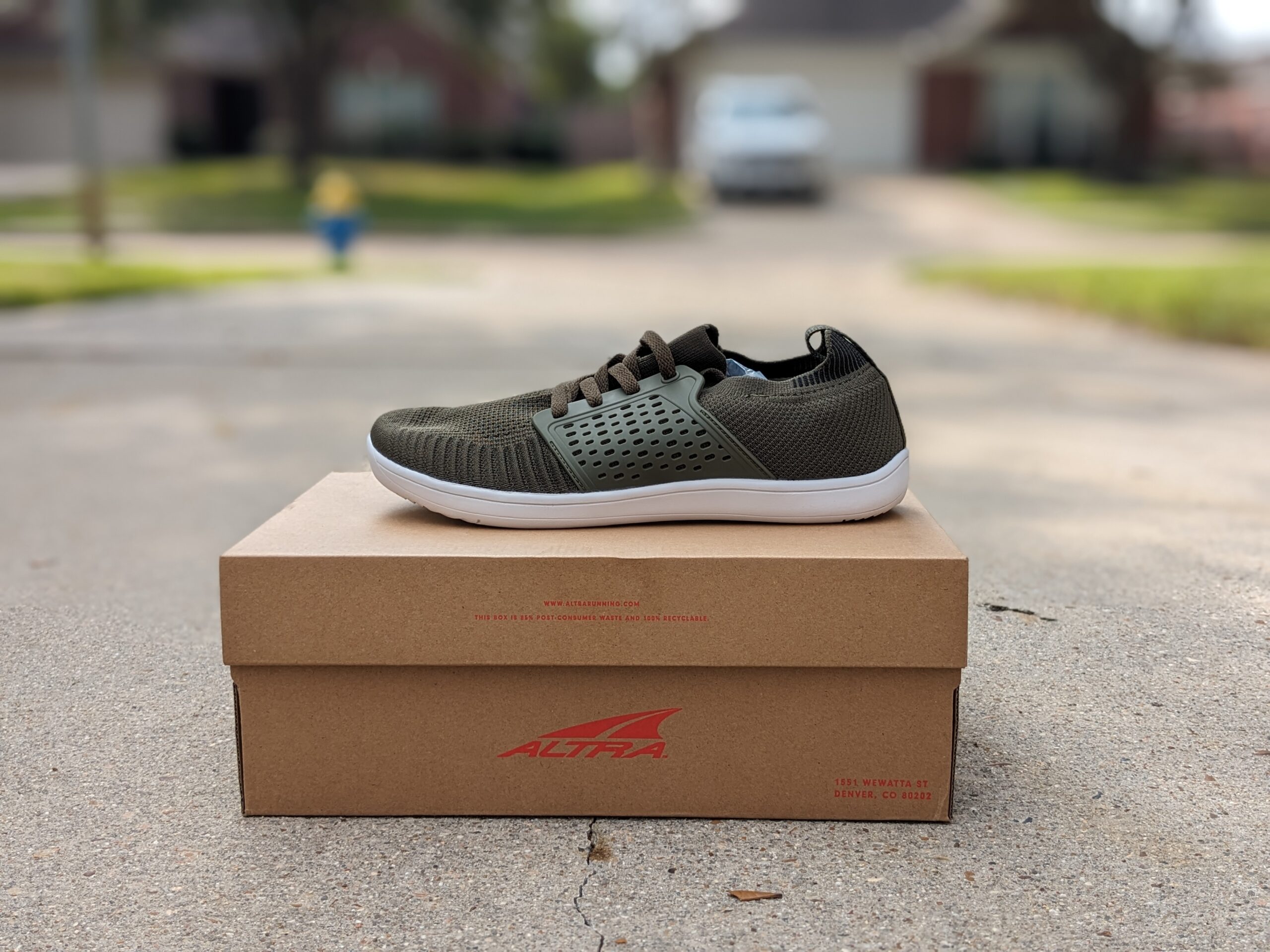
3. Wide Toe Box
This is where things get controversial: 47% of the barefoot shoes I tested have what I’d classify as “narrow” or “medium” width toe boxes .
Let that sink in. Nearly half of “barefoot” shoes may not give your toes room to spread naturally.
The truly wide options (42% of my test lineup) allow natural toe splay—your toes can spread out like they would if you were actually barefoot. Another 11% offer very-wide toe boxes. These shoes typically come from brands like Freet, Bahe, and select models from Altra and Xero Shoes.
But that may be ok. Not everyone needs a hugely wide toe box. It all depends on your toe splay and width. The “medium” and even “narrow” category offers more room than traditional running shoes while not being as wide as the widest barefoot options.
4. Flexible Sole
A barefoot shoe should bend with your foot, not fight it. I test this by rolling up each shoe—if it coils into a tight spiral without resistance, that’s a good sign.
90% of my tested shoes deliver maximum or high ground feel (68% maximum, 22% high), which correlates strongly with sole flexibility. The remaining 10% sacrifice some flexibility for other benefits (usually slightly more cushioning).
Why Choose Barefoot Shoes?
Before I dive into the 37 models, let’s address the elephant in the room: Why go barefoot at all?
I’m not here to preach barefoot ideology. I’ve seen both the benefits and the challenges. But after advising hundreds of people and logging thousands of miles myself, here’s what I can say with confidence:
The Benefits (When Done Right)
Stronger feet and lower legs. Your feet have 26 bones, 33 joints, and over 100 muscles, tendons, and ligaments. Traditional shoes immobilize much of this structure. Barefoot shoes wake it all up. After 12 weeks in proper barefoot shoes, most runners report noticeable improvements in foot strength and ankle stability.
Improved proprioception. Ground feel isn’t just about feeling rocks—it’s about receiving constant feedback from the ground that helps your brain make micro-adjustments to your gait. This enhanced sensory input can improve balance and running efficiency.
More natural movement patterns. Zero drop and minimal cushioning encourage a midfoot or forefoot strike, which typically results in higher cadence, shorter stride length, and better shock absorption through your kinetic chain rather than through foam.
Potential injury prevention. Here’s the data: Mills et al. (2023) found that 70.8% of runners who completed a gradual barefoot transition (12+ weeks) reported positive outcomes. However—and this is critical—** 86% of runners who rushed the transition experienced injuries** , with 80% of those injuries being metatarsal stress fractures.
The Challenges (The Part Many Advocates Skip)
Transition takes time. Not weeks—months. My standard protocol is 12 weeks minimum, with mileage reductions of 50-70% initially. Rush it, and you’ll likely join the 86% injury club.
Not all surfaces are equal. Barefoot shoes excel on smooth surfaces. Technical trails with sharp rocks? That’s where you’ll appreciate models with rock plates or slightly more stack height.
Toe box width is genuinely an issue. Remember that 47% narrow/medium stat? If you have wide feet, you’ll want to focus on the 53% of shoes that offer wide or very-wide toe boxes—your options are more limited than marketing materials suggest.
They’re not magic. Barefoot shoes won’t fix your running form overnight. They provide an environment that can encourage better form, but you still need to put in the work.
The 37 Tested: Breaking Down By Category
Rather than overwhelm you with all 37 shoes at once, I’ve organized them into categories based on how I actually use them. This is how I think about my shoe rotation, and it’s how you should think about building yours.
Maximum Ground Feel (4-6mm Stack)
These are the purest barefoot experience you’ll get in a shoe. Think of them as “barely there” shoes—just enough protection for pavement and smooth trails, but you’ll feel everything.
Average specs across this category:
Who they’re for: Experienced barefoot runners with strong feet, short to medium distance runs on predictable surfaces, runners who prioritize ground feel above all else.
Who should avoid them: Beginners (seriously, start with more stack), runners with a history of metatarsal stress fractures, anyone planning to run on technical trails with sharp rocks.
The shoes in this category typically feature extremely thin, flexible soles—often just a few millimeters of rubber between you and the ground. You’ll feel texture changes in pavement. Small pebbles will make themselves known. But for many experienced barefoot runners, this is the whole point.
Durability is the wildcard here. Some models in this range last 500+ miles (the 41% excellent performers), while others show significant wear by 200 miles. The difference usually comes down to rubber compound quality and whether you’re a heavy foot striker (which tears up minimal shoes quickly).
- Stack: 5mm average
- Weight: 180g average
- Ground feel: Maximum (by definition)
- Durability: Mixed (40% excellent, 40% average, 20% poor)
Balanced Everyday Runners (7-10mm Stack)
This is where I spend most of my training miles. These shoes offer the sweet spot between ground feel and protection—enough cushioning for daily training, enough feedback for proprioception.
Average specs across this category:
Who they’re for: Most runners, most of the time. These are your daily trainers, your “go to” shoes for everything from easy runs to tempo workouts. They work on roads, they handle light trails, and they provide enough protection for longer efforts without sacrificing the barefoot feel.
Why this category is so popular: You get meaningful ground feedback without beating up your feet. On a 10-mile training run, you want to feel connected to the ground, but you don’t need to feel every pebble. These shoes thread that needle perfectly.
- Stack: 8.5mm average
- Weight: 240g average
- Ground feel: High to maximum
- Durability: 41% excellent, 41% average, 18% other
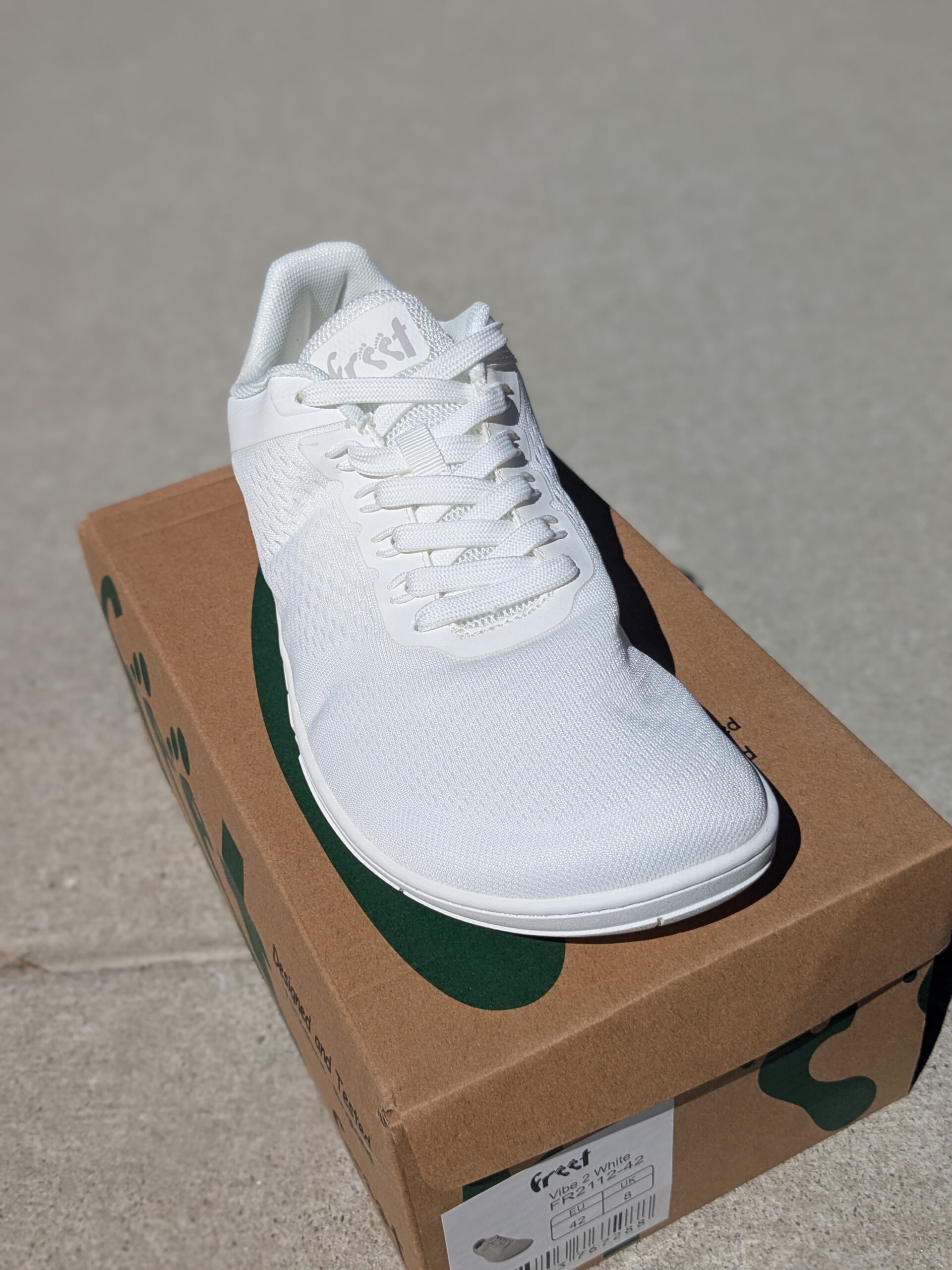
The durability profile here is more consistent than the ultra-minimal category. Most shoes in this range deliver 400-600 miles before needing replacement , with the top performers pushing past 700 miles. That’s comparable to traditional running shoes, which makes the transition easier to justify economically.
Cushioned Barefoot Runners (11-14mm Stack)
Yes, “cushioned barefoot” sounds oxymoronic. But this category represents shoes at the upper limit of true barefoot , maintaining ground feel while adding protection.
Average specs across this category:
Who they’re for: Runners transitioning from traditional shoes, ultra-distance runners who need more protection, runners recovering from injury, anyone who wants barefoot principles (zero drop, wide toe box, foot-shaped design) without the extreme ground feel.
These shoes challenge the barefoot purist definition, but here’s my take: If zero drop, natural toe splay, and flexible construction are your priorities, stack height is negotiable. I know barefoot advocates who swear by 4mm shoes. I also know barefoot advocates who run ultras in 15mm shoes. Both are valid.
The key difference you’ll notice: You’ll feel the ground less, but your feet still function somewhat naturally. Your toes can spread, your Achilles works at full length, and your foot can flex and articulate. You just have more cushioning between you and the rocks.
Durability in this category is impressive. The extra material generally means longer life, and many models in this range exceed 600 miles , with some pushing 800+ miles. That’s significant when you’re logging 30-40 miles per week.
- Stack: 12.5mm average
- Weight: 270g average
- Ground feel: Moderate to high
- Durability: 45% excellent, 40% average, 15% other
Trail Specialists
Trail barefoot shoes are a different beast entirely. You’re balancing barefoot principles with the reality of roots, rocks, mud, and steep descents.
Average specs across trail-focused models:
Key features that matter for trails:
Rock protection:Trail barefoot shoes handle sharp rocks in different ways. Some use denser materials underfoot for protection, while others simply add more cushioning to absorb impact. Yes, this reduces ground feel compared to road shoes. But on technical trails, you need protection more than proprioception.
Aggressive lugs: Tread depth matters. Trail shoes typically feature 3-5mm lugs (compared to little to no lugs on road shoes). This extra grip is essential for steep descents and muddy conditions.
Reinforced uppers: Trail shoes take more abuse—branches, rocks, stream crossings. The best models use reinforced toe caps and more durable upper materials, which adds weight but extends life.
Who they’re for: Trail runners and walkers (obviously), runners who encounter variable terrain, anyone who needs more protection than road barefoot shoes provide.
The compromise: Trail barefoot shoes typically sacrifice some ground feel for protection. That’s the trade-off. You can’t have maximum ground feel AND underfoot protection. Choose based on your trails.
- Stack: 8.5mm average (slightly higher than road shoes)
- Weight: 270g average (heavier due to protective features)
- Ground feel: Varies significantly based on protective features
- Durability: 50% excellent (trail shoes tend to be built tougher)
Best Barefoot Shoes by Use Case
Now let’s get practical. You don’t shop by stack height categories—you shop by “What do I need this shoe to do?”
For Road Running (Your Daily Mileage)
What to look for:
My top picks from the 37:
The 8-9mm stack options dominate this category. For more detailed road shoe recommendations, check out my top 5 barefoot road running shoes. They provide enough cushioning for daily 6-8 mile runs without sacrificing ground feel. Expect 450-600 miles of life, sometimes more if you rotate between multiple pairs.
Weight range: 220-260g is ideal for road running. Light enough to feel quick, substantial enough to last.
Ground feel: You want “high” ground feel here—not maximum (save that for racing), but enough to maintain proprioception throughout your run.
- 7-10mm stack height (balanced protection and ground feel)
- Good durability (you’ll log lots of miles on pavement)
- Adequate cushioning for repetitive impact
- Smooth outsole with minimal lugs
For Trail Running (Roots, Rocks, and Variable Terrain)
What to look for:
My top picks from the 37:
Trail shoes average 270g—about 30-50g heavier than road shoes due to protective features and more aggressive outsoles. See my full minimalist trail running shoes guide for detailed trail shoe comparisons. This weight is justified when you’re descending loose scree or navigating root-covered singletrack.
- 8-12mm stack height (more protection for technical terrain)
- Additional underfoot protection for sharp rocks (your metatarsals will thank you)
- Aggressive lugs (3-5mm depth)
- Reinforced toe cap
- Water-resistant or quick-drying materials
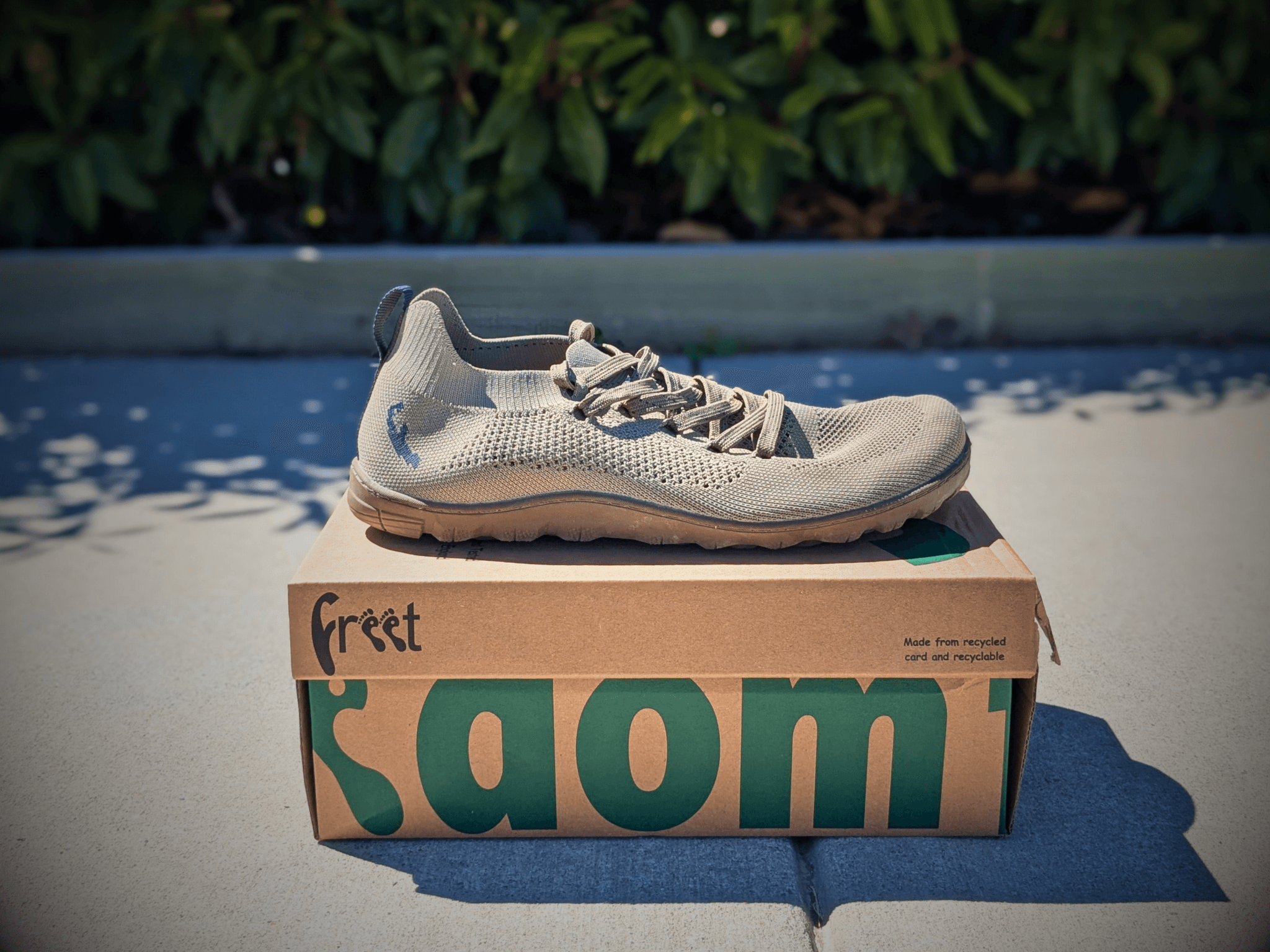
The protection debate:I used to think extra underfoot protection was unnecessary. Then I ran 15 miles on sharp Colorado trails in a minimal shoe. My forefoot was bruised for a week. Now I’m a believer—on technical trails, that extra cushioning or denser material makes a real difference.
Ground feel on trails: Accept that you’ll sacrifice some ground feel for protection. Most trail barefoot shoes deliver “moderate” ground feel, which is appropriate for the terrain.
For Racing (5K to Half Marathon)
What to look for:
My top picks from the 37:
The lightest shoe in my testing came in at 147g. That’s featherweight. The heaviest racing flat was 195g. For perspective, traditional racing flats typically weigh 180-220g , so barefoot racing shoes are genuinely lighter.
Important caveat: These shoes require strong feet. If you haven’t completed at least 8-12 weeks of barefoot training, racing flats will increase your injury risk. Build your base first.
- 4-8mm stack height (minimal weight, maximum efficiency)
- Sub-200g weight (lighter is better at race pace)
- Maximum ground feel (for proprioception at speed)
- Aggressive toe spring (helps with turnover)
For Ultra-Distance (Marathon and Beyond)
What to look for:
My top picks from the 37:
Ultra runners face a unique challenge: maintaining barefoot principles while acknowledging that your feet will take a beating over 26.2+ miles. For insights on choosing ultra shoes, read about my 100km race shoe selection. The solution is more stack height while preserving zero drop and natural toe splay.
The maximum-stack barefoot shoes (12-14mm) provide the best balance for ultra runners. You get the foot-shaped fit and zero drop platform, but with enough cushioning to protect your feet during the later miles when form deteriorates and fatigue sets in.
Weight considerations: Ultra shoes in the barefoot category average 270-290g. Yes, they’re heavier than daily trainers, but the extra cushioning is worth the weight penalty over long distances.
- 10-15mm stack height (you need cushioning for hours on your feet)
- Excellent durability ratings
- Room for foot swelling (go up half a size)
- Moderate ground feel (maximum feedback gets exhausting after mile 15)
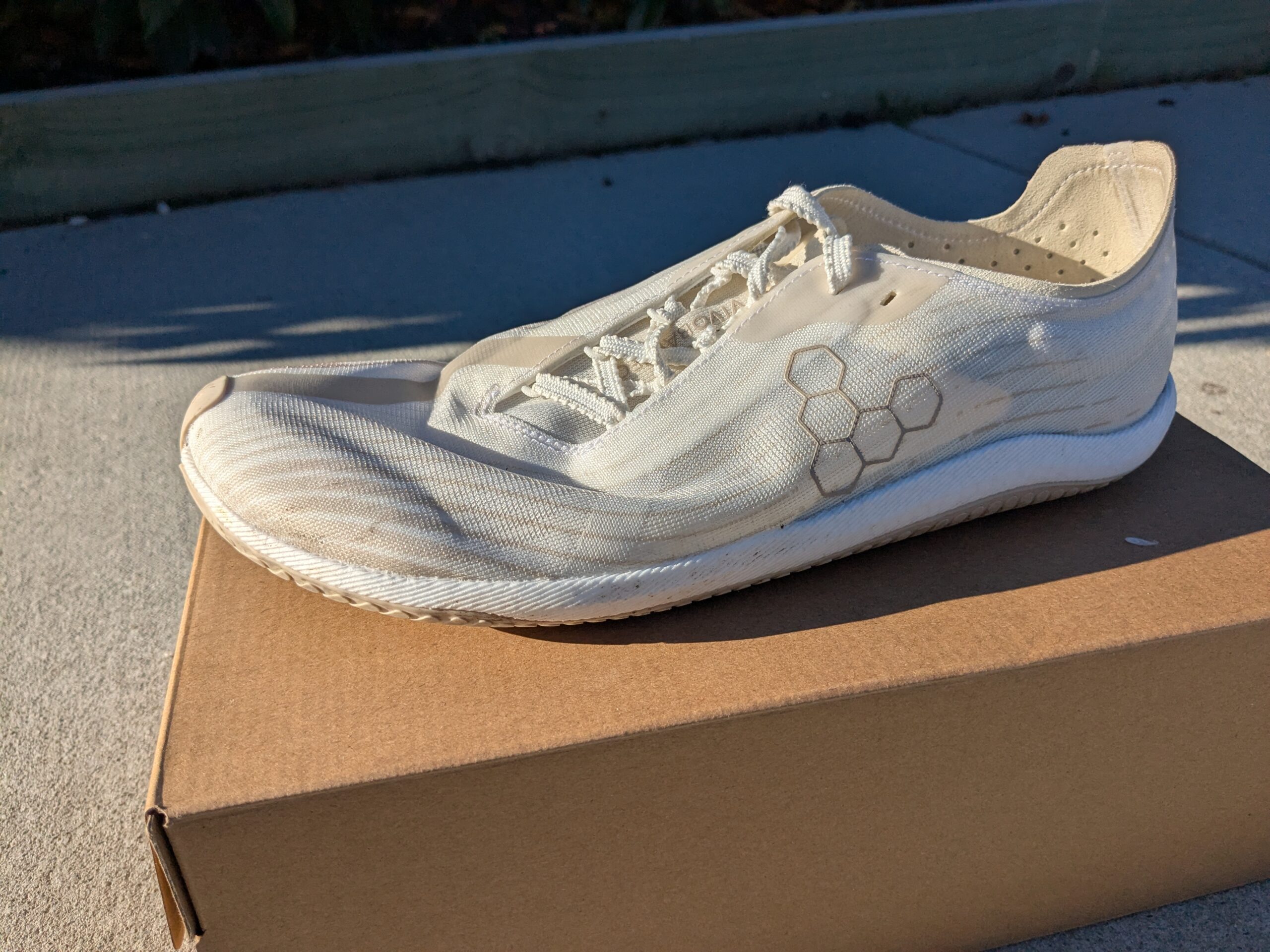
For Walking and Casual Wear
What to look for:
My top picks from the 37:
Several models in my testing work equally well for running and walking. The key difference: for casual wear, you can prioritize comfort and durability over performance metrics.
Ground feel becomes less important for walking. Stack height can be on the higher end (8-10mm) without compromising the barefoot experience. And weight matters less—a 280g casual shoe feels fine when you’re walking, even though you’d notice it running.
- 7-10mm stack height (comfortable for all-day wear)
- Durable construction (casual shoes see more abrasion from varied surfaces)
- Style that works with jeans (this matters to many people)
- Easy on/off if you’re wearing them daily
Key Considerations Before You Buy
After testing 37 pairs of barefoot shoes, here are the factors that actually matter when choosing your next pair:
1. Width Is Everything (And Nearly Half the Shoes Get It Wrong)
Remember that stat: 47% of barefoot shoes have narrow or medium width toe boxes. This is the biggest disconnect between barefoot marketing and reality.
How to check width before buying:
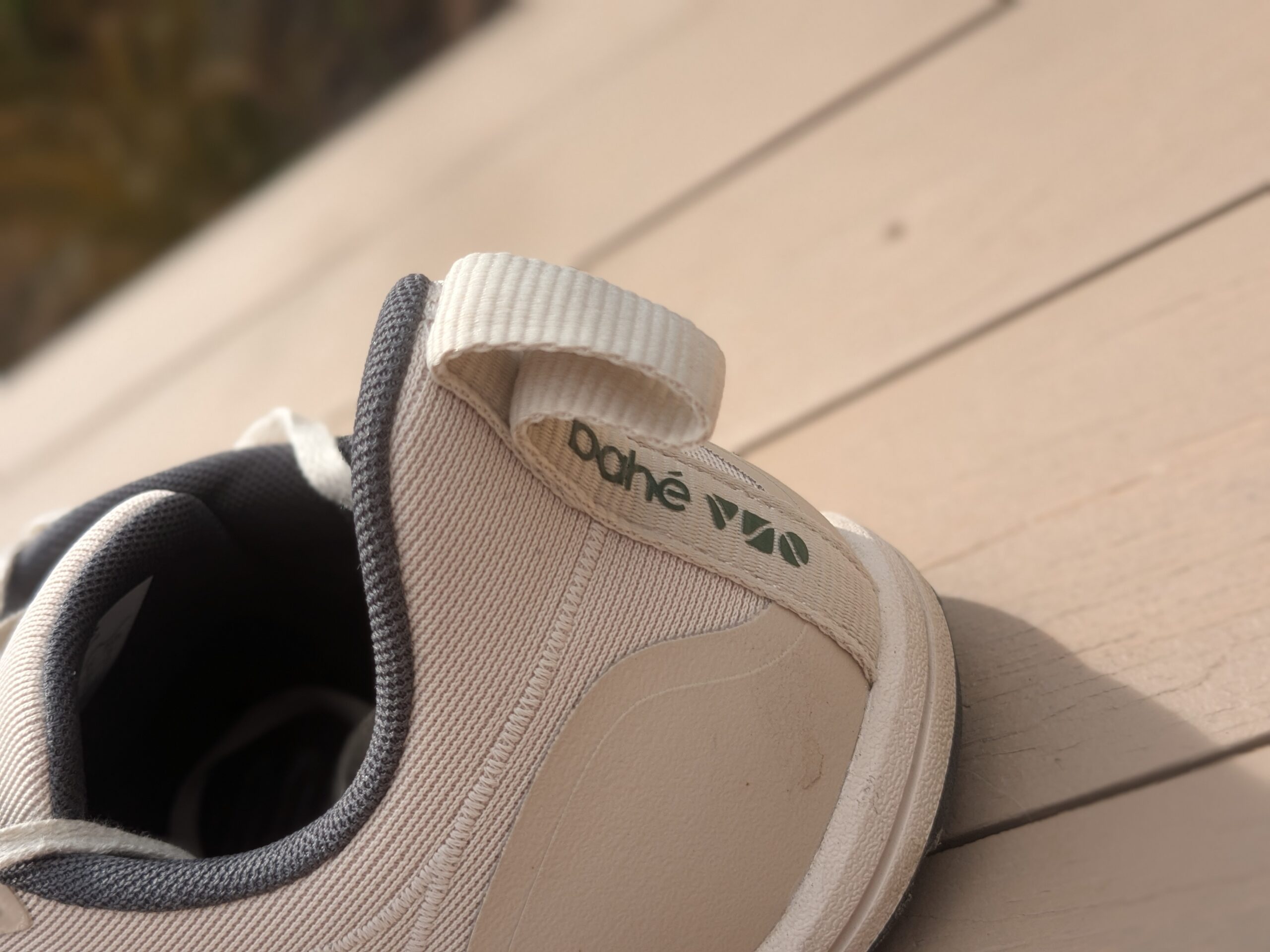
Brands that consistently deliver wide toe boxes: Freet (all models), Bahe, Altra (most models), select Xero and Vivobarefoot models. These brands understand that “foot-shaped” means shaped like actual feet, not narrowed for aesthetics.
Brands with narrower options: Some Altra models (Timp series, Outroad), Merrell Trail Glove, select Vivobarefoot and Xero racing models. This isn’t necessarily bad—some runners prefer a more snug fit—but it contradicts the barefoot philosophy of natural toe splay.
- Trace your foot on paper. Stand on a piece of paper and trace your foot’s outline. Cut it out.
- Check the insole width. Remove the insole from the shoe (if possible) and place your foot tracing on top. Your foot outline shouldn’t extend beyond the insole at any point.
- Test the toe box specifically. The widest part of your foot (usually at the ball) should have at least 5mm of space on each side when standing in the shoe.
2. Transition Time Is Non-Negotiable
Here’s the injury data again: 86% of runners who rushed their barefoot transition got injured. Most of those injuries were metatarsal stress fractures, which take 6-8 weeks to heal and often require complete rest.
My standard transition protocol:
Warning signs to watch for:
If you experience any of these, reduce volume immediately. Better to extend your transition by 4-8 weeks than to spend 2 months injured.
- Weeks 1-4: 50% mileage reduction, easy pace only, no more than 2-3 miles per run in barefoot shoes
- Weeks 5-8: 30% mileage reduction, introduce tempo runs (but keep them short—3-4 miles max)
- Weeks 9-12: Return to normal mileage gradually, maintain easy-to-moderate effort for most runs
- Weeks 13+: Full training load, all paces, but monitor for warning signs
- Sharp pain in metatarsals or forefoot
- Achilles tendon tightness or pain (especially in the morning)
- Calf soreness that doesn’t resolve with rest
- Unusual fatigue in feet and lower legs
3. Stack Height Matters More Than Marketing Suggests
The barefoot shoe market loves to argue about what constitutes “true” barefoot minimalism. Here’s my practical take: stack height should match your experience level and intended use.
If you’re new to barefoot: Start with 10-12mm stack. Get comfortable with zero drop and natural toe splay before worrying about maximum ground feel. After 8-12 weeks, you can experiment with less stack if desired.
If you’re experienced but increasing mileage: Consider rotating between different stack heights. Use 6-8mm shoes for shorter runs, 10-12mm shoes for long runs. This varies the stress on your feet and can prevent overuse injuries.
If you’re running technical trails: Accept that you probably need 10-15mm stack with additional underfoot protection. Maximum ground feel is wonderful on smooth trails, but on rocky technical terrain, protection wins.
If you’re racing: Go minimal (4-8mm) but only after building the foot strength to handle it. Racing flats are performance tools for experienced barefoot runners, not transition shoes.
4. Durability Varies Wildly (And Price Doesn’t Predict It)
41% of the shoes I tested delivered excellent durability (500+ miles). Another 41% landed in the average range (300-500 miles). The remaining 18% wore out quickly (under 300 miles).
What determines durability:
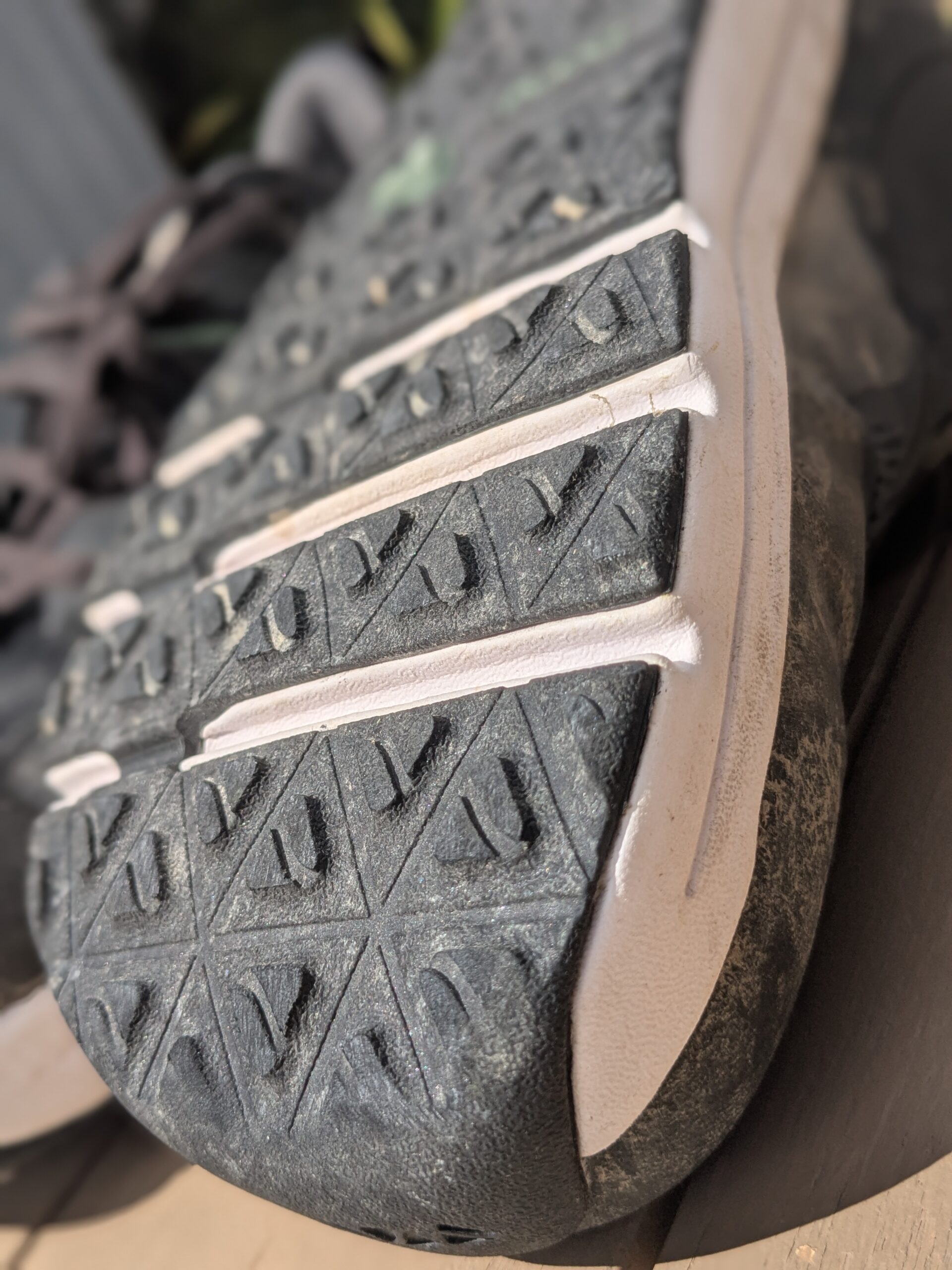
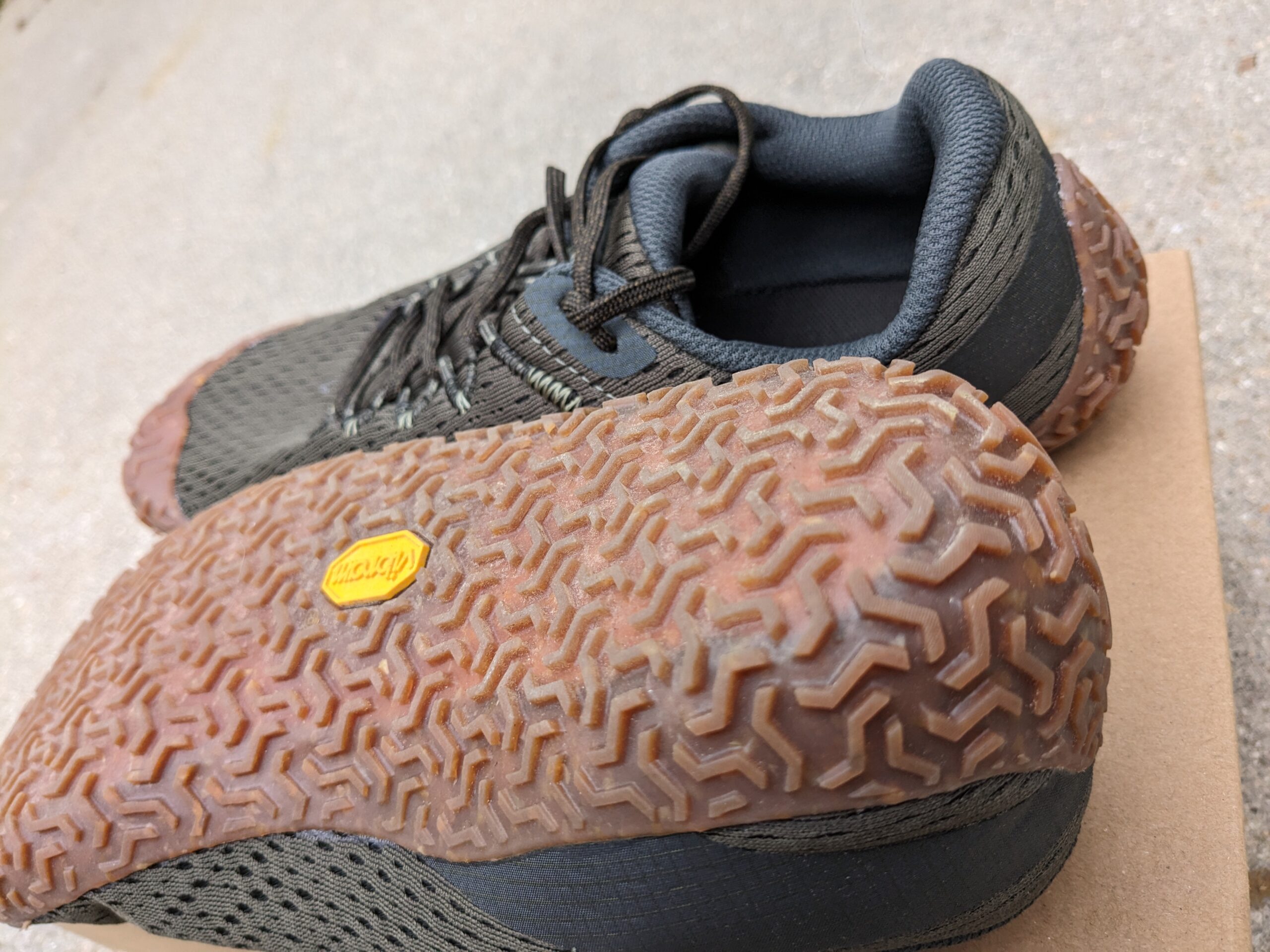
Rubber compound quality: This is the biggest factor. Some brands use premium rubber that lasts 600+ miles. Others use cheaper compounds that show wear by 200 miles. Unfortunately, you can’t tell quality from specifications—you need to test or read detailed reviews.
Sole thickness: Thinner soles (4-6mm) generally wear faster than thicker soles (10-15mm). Simple physics—less material means less time to wear through it.
Running surface: Pavement and concrete are more abrasive than trails. If you run primarily on roads, expect lower durability than the quoted mileage. Trail runners often get more life from their shoes.
Your gait: Heel strikers wear through shoes faster than midfoot strikers. If you’re still heel striking in barefoot shoes (which is common during transition), factor this into your durability expectations.
Cost per mile matters more than upfront price. A $140 shoe that lasts 600 miles costs $0.23 per mile. A $100 shoe that lasts 300 miles costs $0.33 per mile. The expensive shoe is actually cheaper.
5. Ground Feel Is Subjective (And You Might Not Want Maximum)
64% of my tested shoes deliver maximum or high ground feel. That’s great for proprioception, but maximum ground feel isn’t always optimal.
When maximum ground feel works:
When moderate ground feel is better:
I rotate between shoes with different ground feel levels based on the workout. Maximum ground feel for tempo runs and races, moderate ground feel for easy long runs. This approach has kept me injury-free for three years.
- Short runs (under 6 miles)
- Smooth surfaces (pavement, track, groomed trails)
- Speed work and racing
- Experienced barefoot runners with strong feet
- Long runs (over 10 miles)
- Technical trails with rocks and roots
- Recovery runs when your feet are fatigued
- During transition when your feet are adapting
6. Weight Matters More at Speed
The average weight across all 37 shoes is 245g. That’s about 50-80g lighter than traditional running shoes, which typically weigh 280-350g.
But weight impact varies by pace:
At easy pace (10:00-11:00/mile): The difference between a 220g shoe and a 280g shoe is barely noticeable. Prioritize comfort and durability over weight.
At tempo pace (7:30-8:30/mile): You’ll start noticing weight differences. Lighter shoes (200-240g) feel noticeably quicker.
At race pace (6:30-7:30/mile and faster): Every gram counts. This is where sub-200g racing flats make sense.
For ultra-distance: Weight becomes less important than cushioning and durability. A 300g shoe with excellent cushioning beats a 220g shoe that leaves your feet destroyed at mile 20.
Making Your Decision: A Practical Framework
After all this data and analysis, how do you actually choose your next barefoot shoe? Here’s the framework I use when coaching runners through this decision:
A note for beginners: If you’re completely new to barefoot running, the shoes in this guide (4-14mm stack) may not be where you should start. Instead, I recommend beginning with zero-drop shoes with more cushioning (15-25mm stack height)—often called “bridge shoes”—that introduce barefoot principles gradually without overwhelming your feet. Once you’ve spent 2-4 months adapting to zero drop and natural toe splay with adequate protection, then you’re ready to progress to the true barefoot shoes covered in this guide.
Step 1: Assess Your Experience Level
Complete beginner (never run in barefoot/minimal shoes):
- Start with 15-25mm stack height bridge shoes (like Altra Escalante Racer 2 or Bahe Revive Endurance)
- Choose moderate ground feel with substantial cushioning
- Prioritize comfort and gradual adaptation over performance
- Expect 6-12 month transition to true barefoot shoes
- Begin with walking and easy activities before running
Early intermediate (2-4 months in bridge shoes):
- Can progress to 10-12mm stack shoes (like Freet Skeeby)
- Moderate to high ground feel acceptable
- Start incorporating different surfaces and gentle speed variations
- Continue monitoring volume carefully—rotate with bridge shoes for longer efforts
Experienced intermediate (4-8 months total transition):
- Ready for 7-10mm stack height true barefoot shoes
- High ground feel appropriate
- Can begin speed work in barefoot shoes
- Still benefit from rotating between stack heights for varied training stimulus
Experienced (8+ months, strong feet):
- 4-10mm stack range available
- Maximum ground feel if desired
- Can handle true barefoot shoes at all distances
- Can push volume and intensity across all barefoot footwear
Step 2: Measure Your Feet Properly
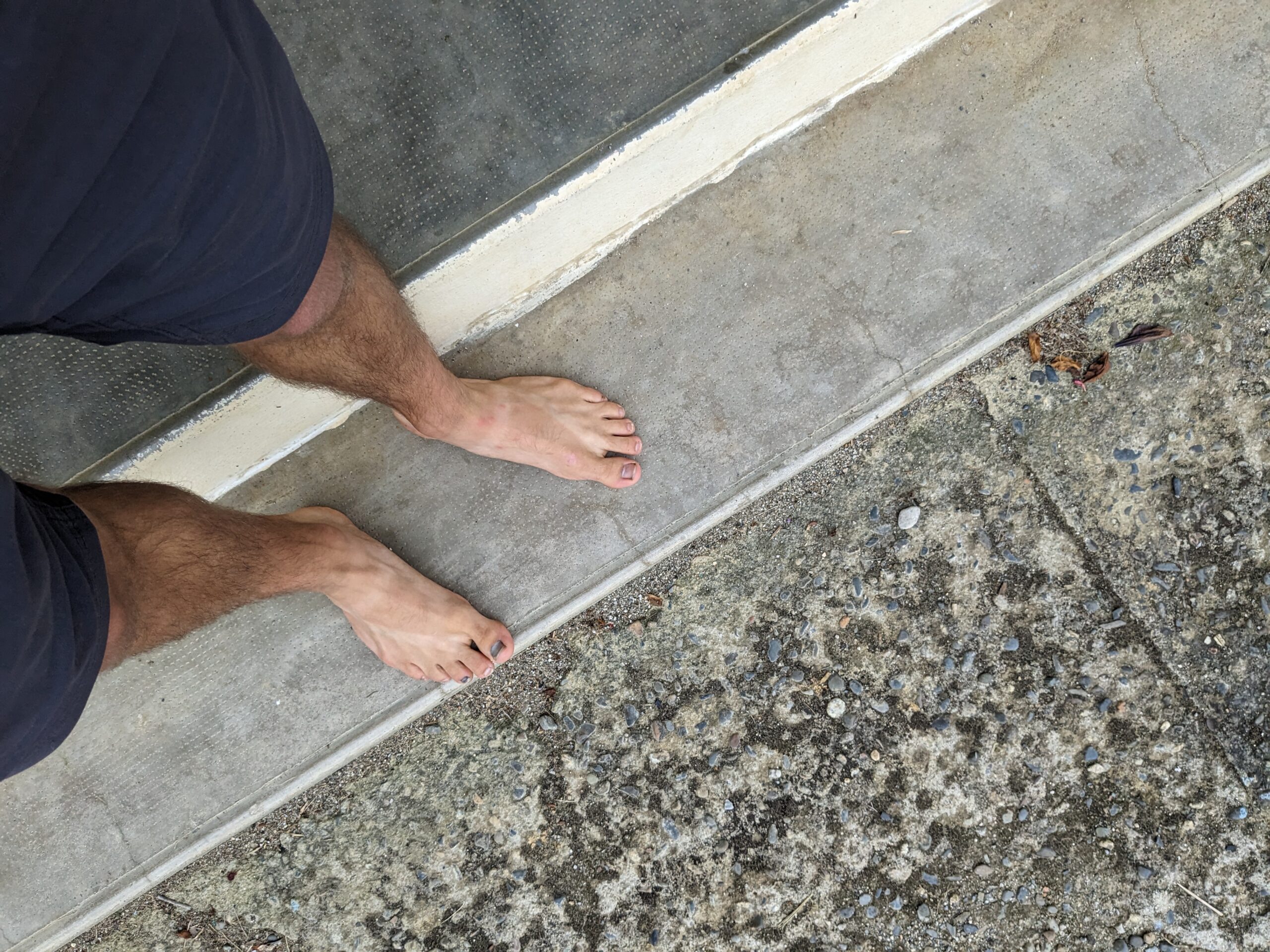
Use the wall method for accuracy. Place a piece of paper against a wall, stand with your heel against the wall (without pushing backward), and mark where your longest toe ends. For width, mark both sides of your foot at the ball and midfoot. Measure both feet in the evening when they’re largest, and use the bigger measurements.
Add 5-10mm to your foot length for proper toe space. This translates to ½ to a full thumb width from your longest toe to the end of the shoe. You need this space for toe splay during running and foot swelling on long runs. Trail shoes need even more room for descents.
Width matters—measure at your widest point. For most people, this is at the ball of the foot (metatarsals), but for others it’s the midfoot. Measure at whichever is widest for you and compare this to manufacturer size charts when available. Don’t measure the insole—it’s unreliable since brands use the same insole across multiple sizes.
If you have wide feet: Look for shoes with measurements showing 105mm+ width at the ball (reference width in US9). Focus on the 53% of barefoot shoes with wide or very-wide toe boxes. Don’t compromise here—a too-narrow shoe defeats the barefoot purpose.
If you have average-width feet: The medium category (32% of shoes) works well. These typically measure 95-105mm at the ball (reference width in US9) and offer more room than traditional shoes without being extremely wide.
If you have narrow feet: You have more options (including the 15% narrow category), but still ensure adequate toe box width. “Narrow feet” doesn’t mean “cramped toes”—you still need that splay space.
Don’t forget depth. If you often have excess material bunching over your foot when laces are tight, you have a shallow foot. If you struggle to get shoes on, you have a deep foot. You can remove insoles to gain 3-4mm of depth.
Between sizes? Always size up. Slightly loose is better than too tight in barefoot shoes.
Step 3: Define Your Primary Use Case
It’s worth noting that all the following advice is flexible, but use it as a guideline to help you make your decision.
Daily training runner (3-5 runs/week, 20-40 miles):
- 7-10mm stack (Only when full barefoot transition is complete)
- High ground feel
- Excellent durability (aim for 500+ miles)
- Weight 220-260g
Trail runner (variable terrain, roots/rocks):
- 8-12mm stack with underfoot protection (Only when full barefoot transition is complete)
- Moderate ground feel acceptable
- Aggressive lugs (3-5mm)
- Durability priority over weight
Racer (5K-half marathon focus):
- 4-8mm stack (Only when full barefoot transition is complete)
- Maximum ground feel
- Sub-200g weight
- Durability less critical
- Note Adding more cushion often make you faster! Don’t believe me? Just try it.
Ultra runner (marathon/ultra distances):
- 10-15mm stack
- Moderate ground feel
- Excellent durability critical
- Accept higher weight (240-300g)
Multi-purpose (running + walking/casual):
- 4-8mm stack (Only when full barefoot transition is complete)
- Maximum ground feel
- Very good durability needed
- Weight makes little difference here
Step 4: Plan Your Shoe Rotation
Shoe rotation isn’t strictly necessary, but it’s a smart injury prevention strategy. Research shows that runners who rotate between multiple pairs have a 39% lower risk of injury compared to those who wear the same shoes every run. Why? Different shoes alter your gait, muscle recruitment, and joint loading patterns—reducing repetitive stress on any single area.
The science behind rotation: Different stack heights change how your body balances and which muscles activate. Minimal shoes (4-8mm) load your feet and ankles more, while cushioned shoes (10-15mm) shift load to your knees and hips. By rotating between stack heights, you distribute stress across different structures instead of overloading one area.
How many pairs do you need?
Single pair (budget-friendly):
- Totally acceptable if budget is tight
- Choose a versatile daily trainer (7-10mm stack)
- Just be extra mindful of overuse injury warning signs
- Consider this your starting point before expanding
Two-pair rotation (recommended minimum):
- One barefoot shoe (4-8mm stack) for technique work and shorter runs
- One cushioned shoe (10-15mm stack) for tired legs, long runs, or speed work
- Provides maximum stack height variation for injury prevention
Three-pair rotation (optimal for most runners):
- One daily trainer (7-10mm stack) – 60-70% of miles
- One long run/recovery shoe (10-12mm stack) – 20-30% of miles
- One trail shoe OR speed shoe (4-10mm depending on experience) – 10-20% of miles
- This is the sweet spot for injury prevention without overcomplicating choices
Conclusion
After all this data and analysis, the most important principle is simple: choose the barefoot shoe that matches your experience level, serves your training needs, fits your feet properly, and lasts long enough to justify its cost.
Some of you will thrive in 4mm racing flats. Others will prefer 12mm cushioned options. Both are valid expressions of barefoot running philosophy—zero drop, natural toe splay, foot-shaped design.
Your job isn’t to find the “perfect” barefoot shoe. It’s to find the right tool for each job in your training. Daily trainer for most miles. Long run shoe for the big efforts. Racing flat when speed matters. Trail shoe when terrain demands it.
Build your rotation thoughtfully. Transition gradually. Listen to your body. Give your feet time to adapt.
And remember: 70.8% of runners who follow a proper transition protocol report positive outcomes. You can be in that successful majority. Start with reasonable stack height, reduce your mileage appropriately, and progress patiently.
The barefoot journey takes months, not weeks. But the destination—stronger feet, better proprioception, more natural movement—is worth the patience.
Now go choose your next pair wisely. Your feet will thank you for the research.