
Best for: Trail runners with wide and deep feet wanting versatile all-terrain performance. Skip if: You have narrow or shallow feet
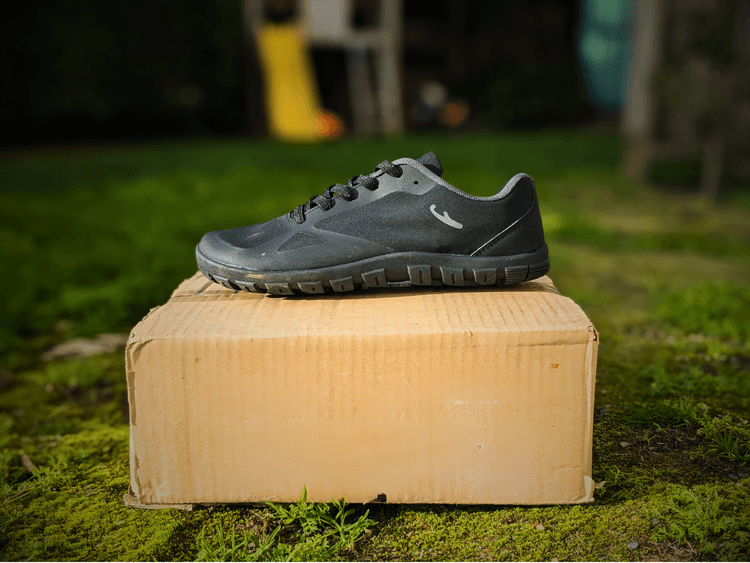
Specifications
| Stack Height | 7.5mm total stack height (4mm lugs) / Zero Drop |
| Weight | 9.17 oz / 260g for EU43 |
| Best For | Mixed terrain trails, mid-distance barefoot training |
| Fit | Wide toe box, standard midfoot & heel |
| Feel | Thin sole, close ground feel |
| Sizing | true to size |
Affiliate links support our reviews at no extra cost to you
Recently, I got my hands on a bunch of Freet trail shoes, and to be honest, they’ve been refreshing.
Unlike many other options we’ve seen criticized online, I doubt anyone will complain that this barefoot shoe isn’t wide enough.
Today, we’re looking at the Freet Feldom, a trail option that’s been a mainstay in the Freet lineup for good reason.
With great trail grip and striking a balance between protection and ground feel, the Feldom is a perfect option if you’re looking for a wide, deep trail shoe for any distance.
But is it right for your foot!? Let’s find out.
Fit
A roomy toe box offers comfort for wider feet. The first thing you’ll notice about the Freet Feldom is its spacious and deep toe box, which extends into the midfoot. This design makes it an ideal choice for those with wider feet, providing ample room and comfort that many other shoes lack. If you’ve struggled to find a shoe that doesn’t pinch or cramp your toes, the Feldom could be the solution.
However, the generous width may lead to a less secure heel fit. While the roomy toe box is a plus for comfort, it comes with a trade-off. Because the width continues back through the shoe it can result in a less secure fit at the heel, leading to some heel slippage. This might not be an issue for everyone, but if you prefer a locked-in feel, you must rely on a snug midfoot lockdown to ensure your foot stays in place.

True to size in length, but sizing down might be wise for a better fit. If you have narrower or shallower feet, this might not be the best fit for you. The length fits true to size, but be sure to look over the Freet sizing guide if you’re trying to convert from a US sizing to a EU sizing. If you’re in between sizes, you can likely get away with sizing down for a more secure midfoot fit. It’s clear that Freet designed this shoe with wider feet in mind, so it might be just right if that’s you.
The depth of the Freet Feldom adds to its accommodating fit, and you can adjust it with different insoles. Unlike many barefoot shoes that can feel shallow and restrictive, the Feldom offers a generous depth that allows your foot to sit comfortably without feeling squeezed. This feature also gives you the flexibility to fine-tune the fit by using different insoles to adjust the depth. Personally, I found that using a thick insole provided a better fit with my average depth foot, but if you need that extra room, remember you can easily run in these shoes without insoles too!
Feel
The Freet Feldom offers excellent flexibility, promoting efficient foot movement. When it comes to flexibility, the Freet Feldom doesn’t disappoint. It allows your feet to move naturally, adapting to the contours of the terrain and giving you a more intuitive running experience. This is thanks to the thinner connective material between the lugs, allowing plenty of movement in the shoe. While the lugs do lift you away from the ground, the Feldom still offers ok ground feel for a trail shoe.
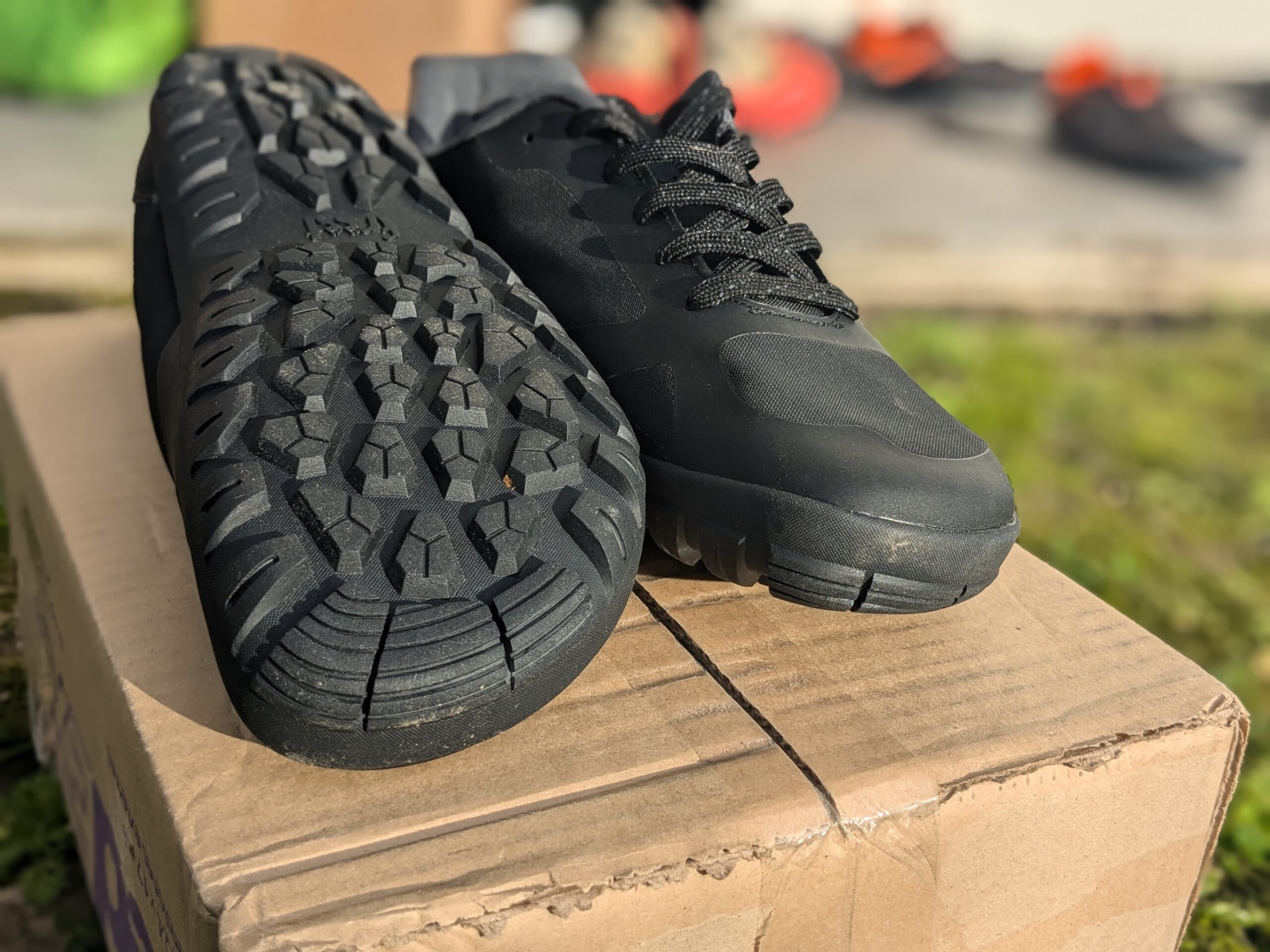
The 4mm lugs deliver outstanding traction, making it reliable on various surfaces. These deep, wide lugs provide excellent traction on dry rock, mud, and sticky surfaces. Combined with the shoe’s flexibility, these lugs offer a pseudo-cushioning effect that’s surprisingly protective on rough terrain. I ran these shoes in muddy and dry, hard-packed conditions and wouldn’t complain at either, making the Feldom a good all-around shoe.
Pssst. If you’re looking for even more grip in the mud, check out the Freet Calver.
Due to water resistance, the shoe’s breathability is limited, leading to hot feet on long runs. The upper material, while soft and equipped with strategic overlays, has a tight weave that may lead to hotter feet. This is where the shoe’s water-resistant focus might be a double-edged sword—great for wet trails but potentially leading to overheated feet during longer runs in warmer conditions.
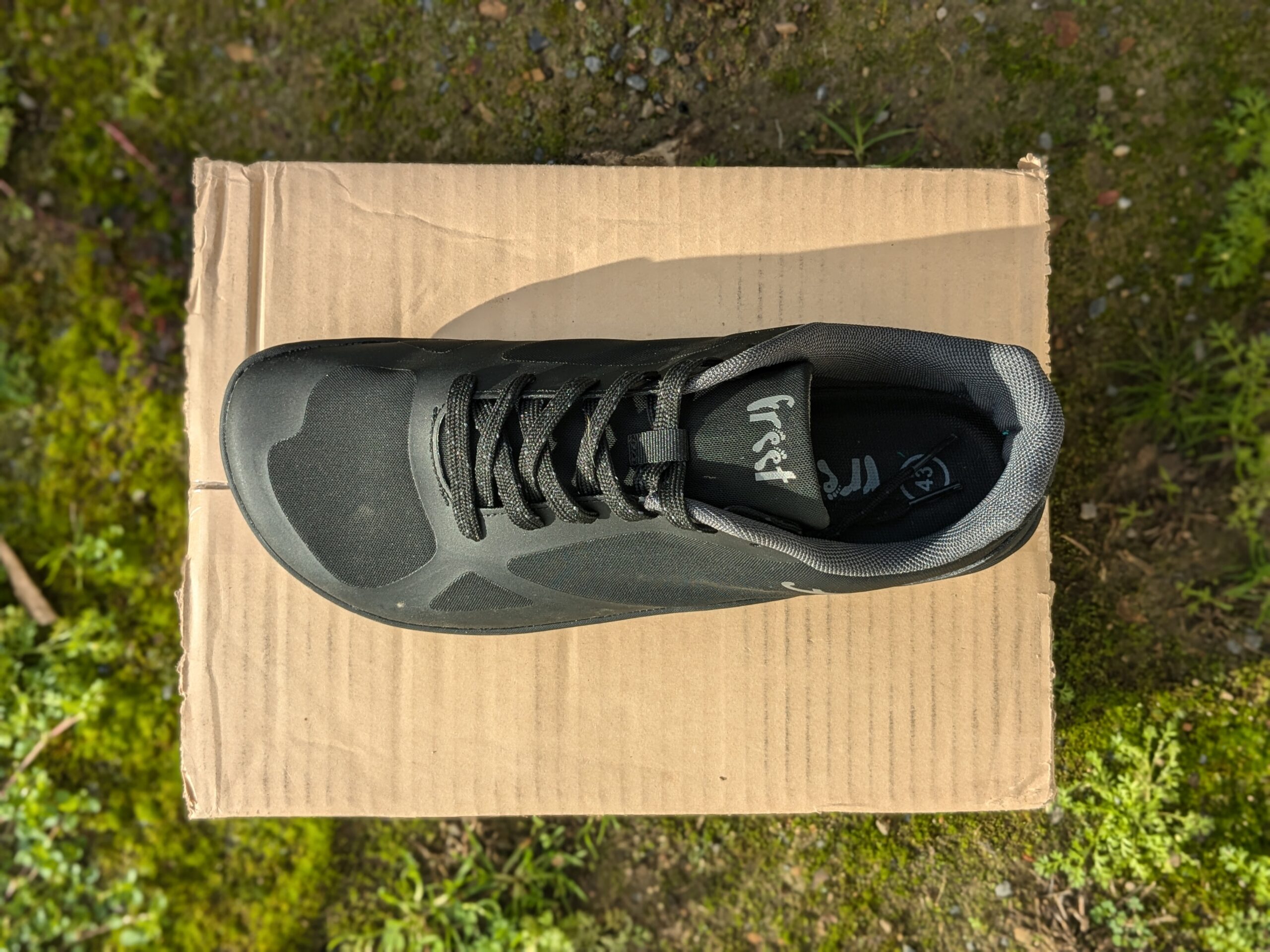
At 260 grams per shoe, the Freet Feldom is light-ish without compromising durability. Weighing in at just 260 grams, this shoe is comparable to other barefoot trail shoes, making it a solid choice for those who value lightweight options. I prefer lighter-weight options as they tend to promote a more natural stride, reducing fatigue on longer runs or hikes. Despite being lightweight, the Feldom isn’t flimsy; it still protects for rough trails. This balance of weight and durability makes the Freet Feldom an excellent option for minimal runners looking for a little protection.
The semi-soft upper material offers a secure fit with effective lockdown. The upper strikes a perfect balance between flexibility and secureness, providing just enough give to mold comfortably around your foot while still delivering a locked-down feel. This semi-soft construction allows for the foot to splay and flex while ensuring your foot stays in place even on uneven terrain. It works especially well when combined with the shoe’s lacing system, which sits higher than other brands, which I always find leads to a more secure fit.
Durability
Durability is promising, with the upper material designed to withstand tough trails. Thanks to its sturdy upper material, the shoe appears well-equipped for rugged conditions. This construction seems capable of enduring the wear and tear of regular trail use, whether scraping against rocks or just pushing out the side walls. And the overall build quality seems to be high, considering its cheaper $110 price point.
Concerns linger about the inner lining’s durability. While the upper material of the Freet Feldom inspires confidence, the inner lining raises some reservations. Over time, this part of the shoe could become a weak point, potentially showing signs of wear and tear with extended use. For those planning to log serious trail miles, it’s worth keeping an eye on how the lining holds up.
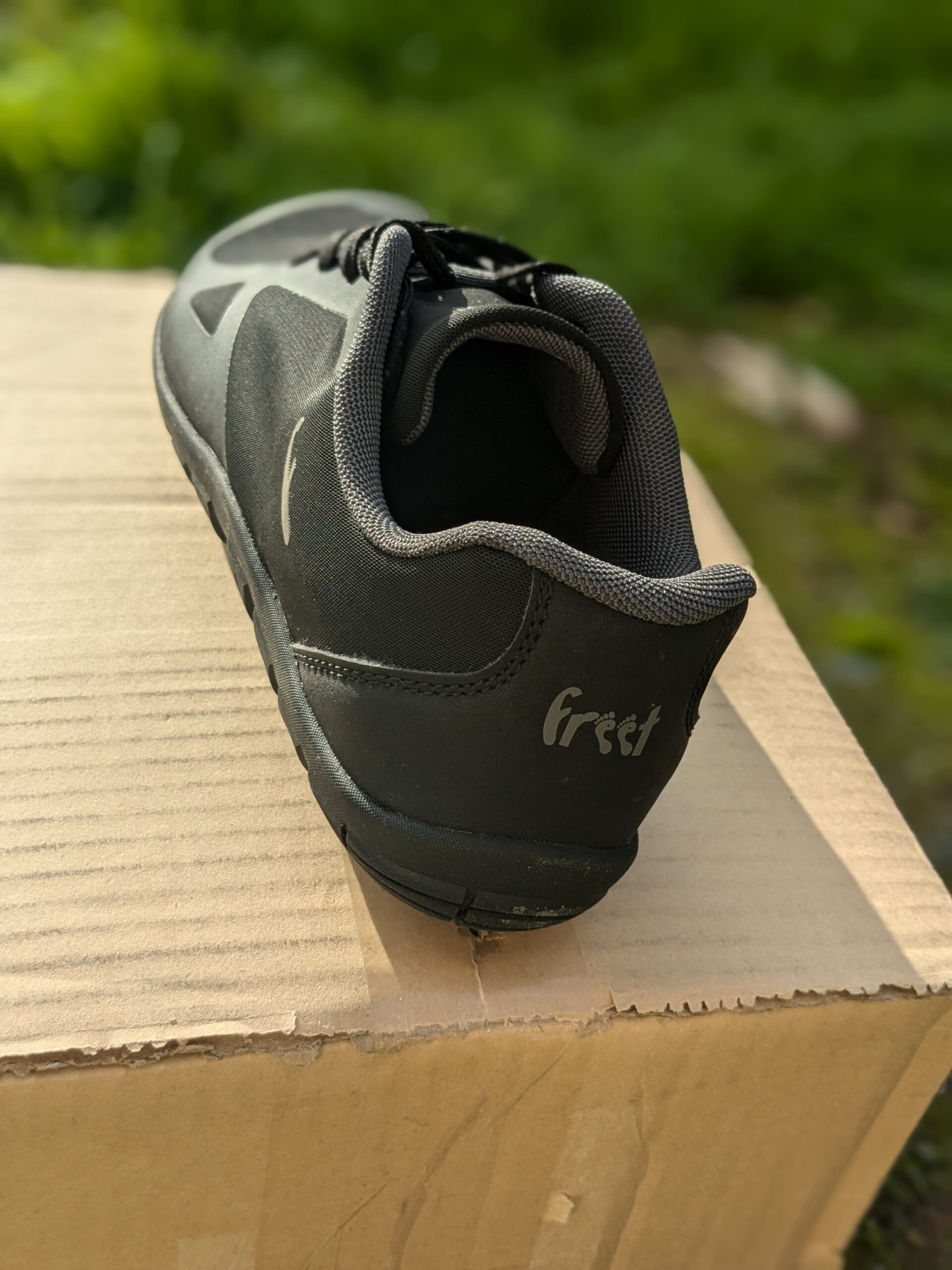
The outsole’s long-term performance is still uncertain. Even though the outsole looks promising at first glance, I haven’t managed to asses it for long-term durability. With around 80km on the shoe, there are little signs of wear after usage on various terrains. My guess is that the outsole will outlast other aspects of the shoe, such as the inner lining or upper.
Welded overlays provide a balance of lightweight protection with minimal stitching for added durability. This balance gives the right protection without adding unnecessary weight. Overlays are used to enhance the shoe’s structure and guard against trail debris, making them ideal for maintaining the shoe’s lightweight feel while still offering durability. The only stitching present is around the heel and to secure the tongue, which reduces potential weak points.
Conclusion
So, who is the Freet Feldom for?
If you’re a trail running enthusiast with wider, deeper feet, this shoe might be your next favorite. It strikes a balance between barefoot feel and trail grip, offering flexibility and traction that can handle a variety of terrains.
It’s not ideal for narrower feet or those seeking a “performance” fit.
For me, this is a great option for those longer-distance, slower days, where I know there could be some mud but also varied conditions.
Check prices at Freet — use code BRR10 for 10% off.
Verdict
The Freet Feldom is a trail shoe perfect for those with wide, deep feet. It offers excellent flexibility, traction, and a roomy fit, though it might feel less s...
Affiliate links support our reviews at no extra cost to you
Where to Buy
We earn a small commission from qualifying purchases at no extra cost to you. This helps support our independent testing.