
Best for: Light trail running and casual use for those wanting excellent ground feel at an affordable price. Skip if: You need aggressive traction for muddy or technical trails
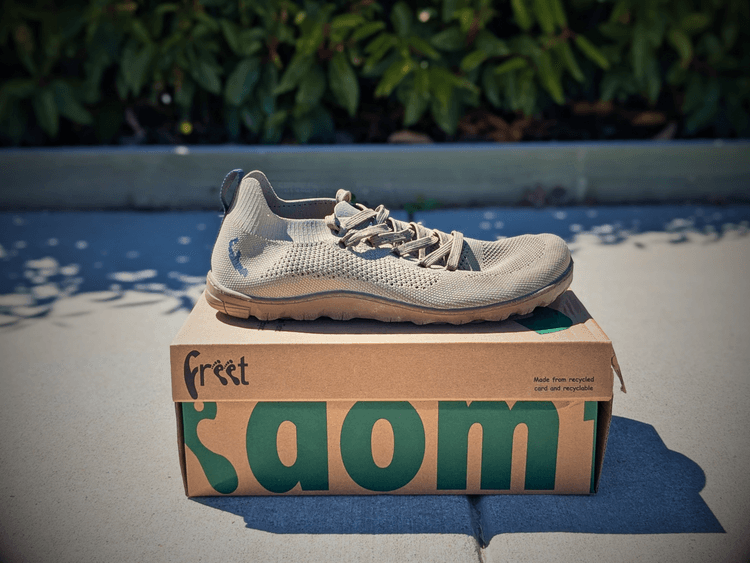
Specifications
| Stack Height | 10.5mm total stack height (3mm insole) / Zero Drop |
| Weight | 7.58 oz/ 215g for men’s US9 |
| Best For | Gentle trails, casual wear, short barefoot runs |
| Fit | Very wide toe box, roomy midfoot, snug heel |
| Feel | Thin sole, close ground feel |
| Sizing | true to size |
Affiliate links support our reviews at no extra cost to you
I love lightweight, minimal trail shoes. Today, I get to review one of the best wide and deep trail options from Freet with the Keld 2!
The Freet Keld 2 is a lightweight, barefoot-style trail runner with a stack height of 10.5 mm (or 7.5 mm without the insole). Designed for light trails and hard-packed surfaces, it prioritizes flexibility and foot-shaped comfort.
But the key is the fit because this shoe won’t fit everyone. So, let’s dive into that.
Fit
Wide toe box and natural fit. One of the standout features of the Freet Keld 2 is its foot-shaped design. The squared-off toe box provides ample space for natural toe splay on the big and little toe sides, something that many barefoot runners will appreciate. This design is wider than most other barefoot brands, allowing full engagement of all toes and improving balance and comfort.
Midfoot and heel: roomy yet secure. The midfoot maintains Freet’s traditional width, meaning it doesn’t pinch or restrict movement. The lockdown is so-so due to the knit material, but if you still do light trails, it is secure enough. The heel is well-shaped and has a large volume. Runners with narrow heels might experience a slight slip because the design is not so deep.
Removable/Replaceable insoles for extra space. I don’t believe this is the case for most of you out there, but removing the insole increases the volume inside the shoe if you need additional room. This is a great option for those with higher-volume feet or who prefer a more direct ground feel. On the flip side, runners with lower-volume feet may find the fit a bit loose, so I’d suggest finding an insole of +5mm to fill out some of the room.
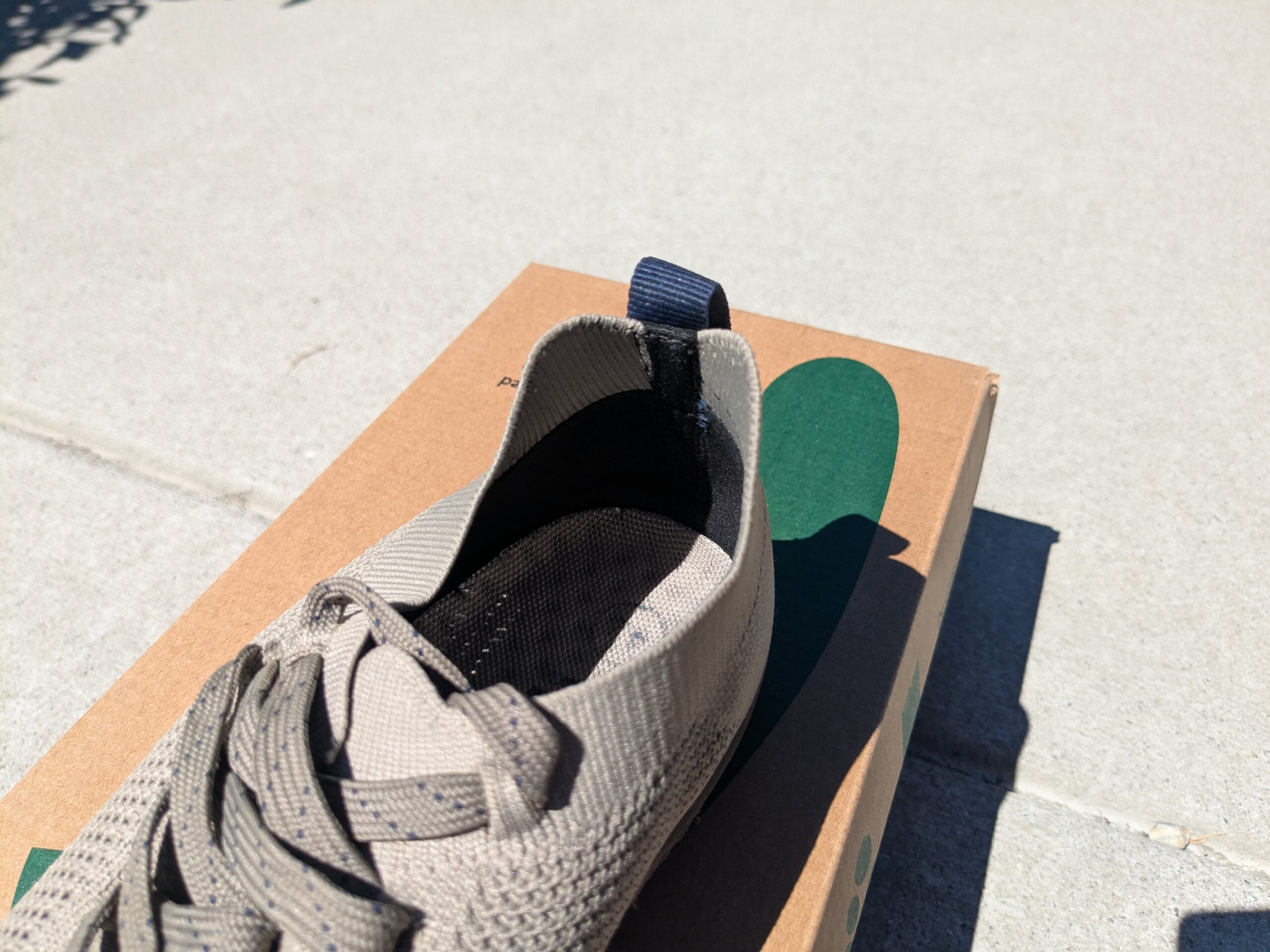
Soft knit upper adapts to different foot shapes. The flexible knit upper molds well to the foot, allowing for a comfortable and adaptive fit. While this contributes to a barely-there feel, it also means the shoe lacks a structured hold, so I wouldn’t plan on taking it on technical trails.
Sizing remains true to size in EU standards but that’s not quite true for the US conversions. In my experience, the Skeeby runs true to EU sizing. I typically wear an EU 42 in Xero Shoes and Vivobarefoot, and an EU 42.5 in Altra. With the Skeeby, my usual EU 42 fit well; however, I found that the US conversion (men’s size 8) was different from what I usually wear. If you rely on US sizing, it is essential to consult Freet’s size guide. Consider sizing down for a more secure fit if you are between sizes, as the upper will flex around your foot.
Feel
Ultra-flexible and true to the barefoot experience. If flexibility is a priority, the Keld 2 excels. The combination of the thin, highly pliable outsole and the lightweight knit upper allows for a near-unrestricted foot movement experience, making it one of the most flexible models in Freet’s lineup.
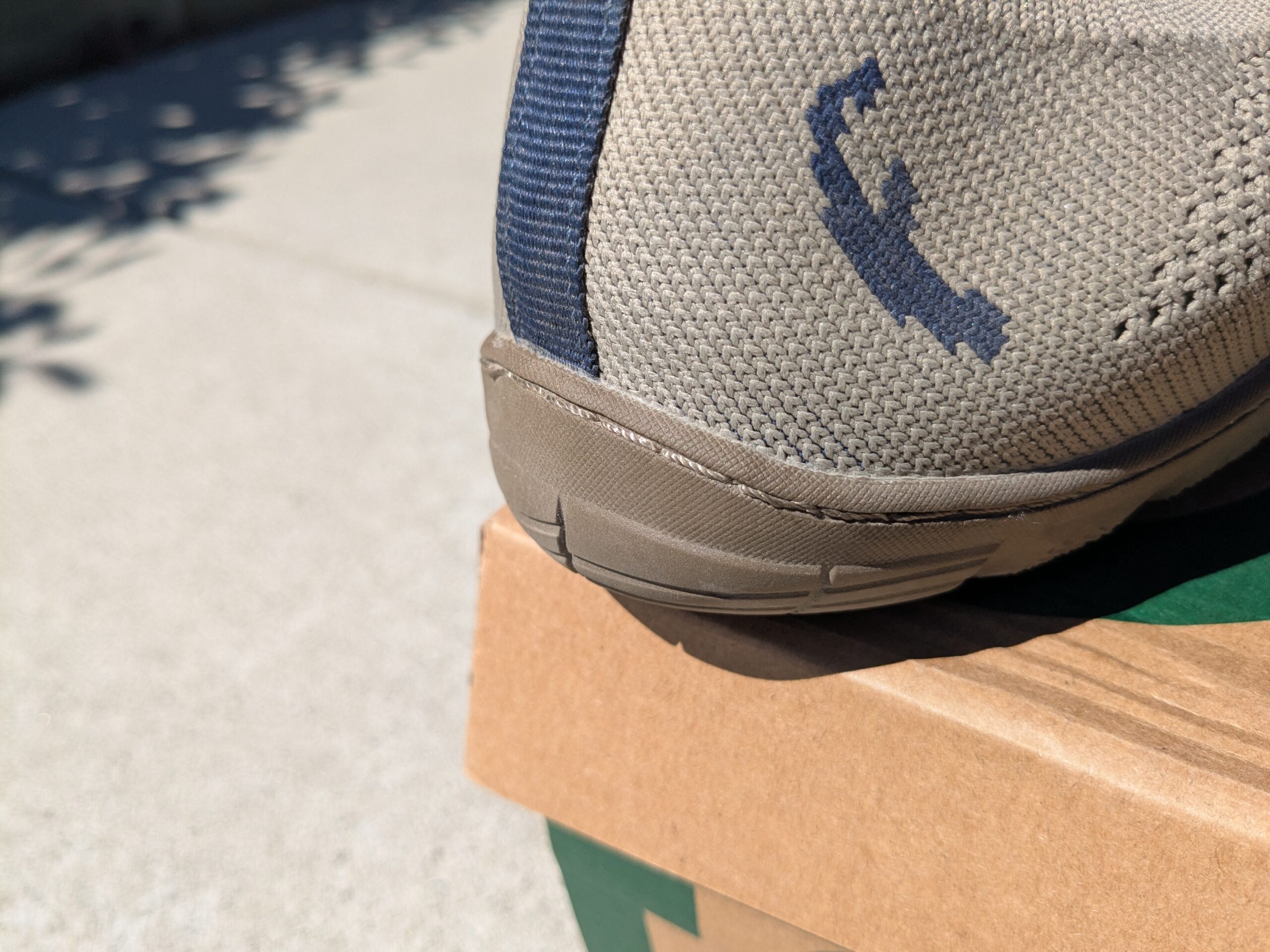
The ground feel is excellent. The 3 mm tread and relatively low stack height (7.5mm without insole) make for awesome ground feel. This is ideal for those who value proprioception and want to engage their foot muscles as naturally as possible. That said, if you’re used to more cushioned shoes, work your way slowly into these shoes.
Best for dry, light trails. The 3 mm tread pattern is effective on hard-packed dirt, gravel, and dry trails, but don’t expect it to perform well in mud or slippery terrain. The grip is sufficient for gentle inclines, but if you’re tackling wet or technical trails, you may find yourself sliding. I’ve used these for easy river trails and getting around town afterward.
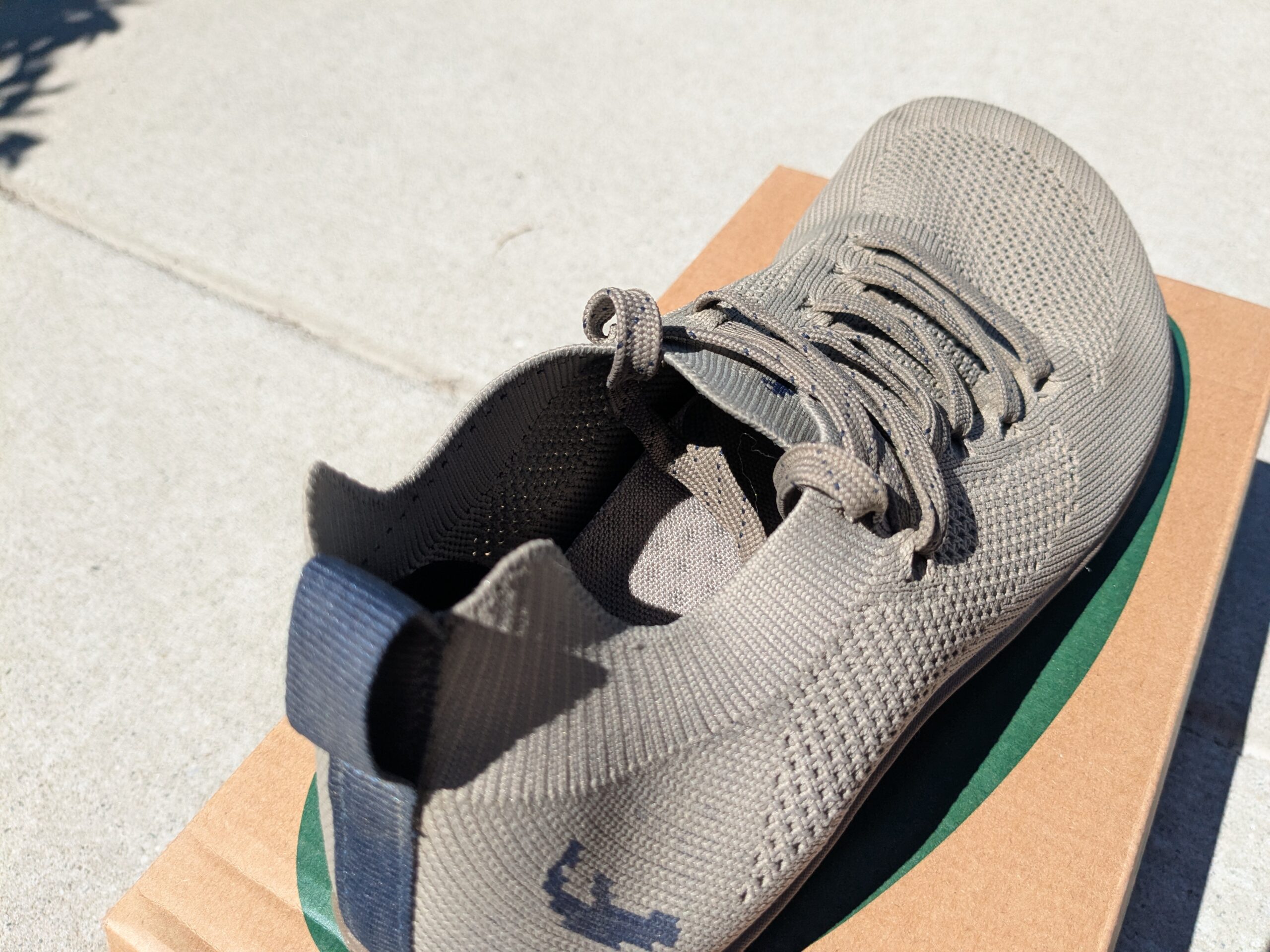
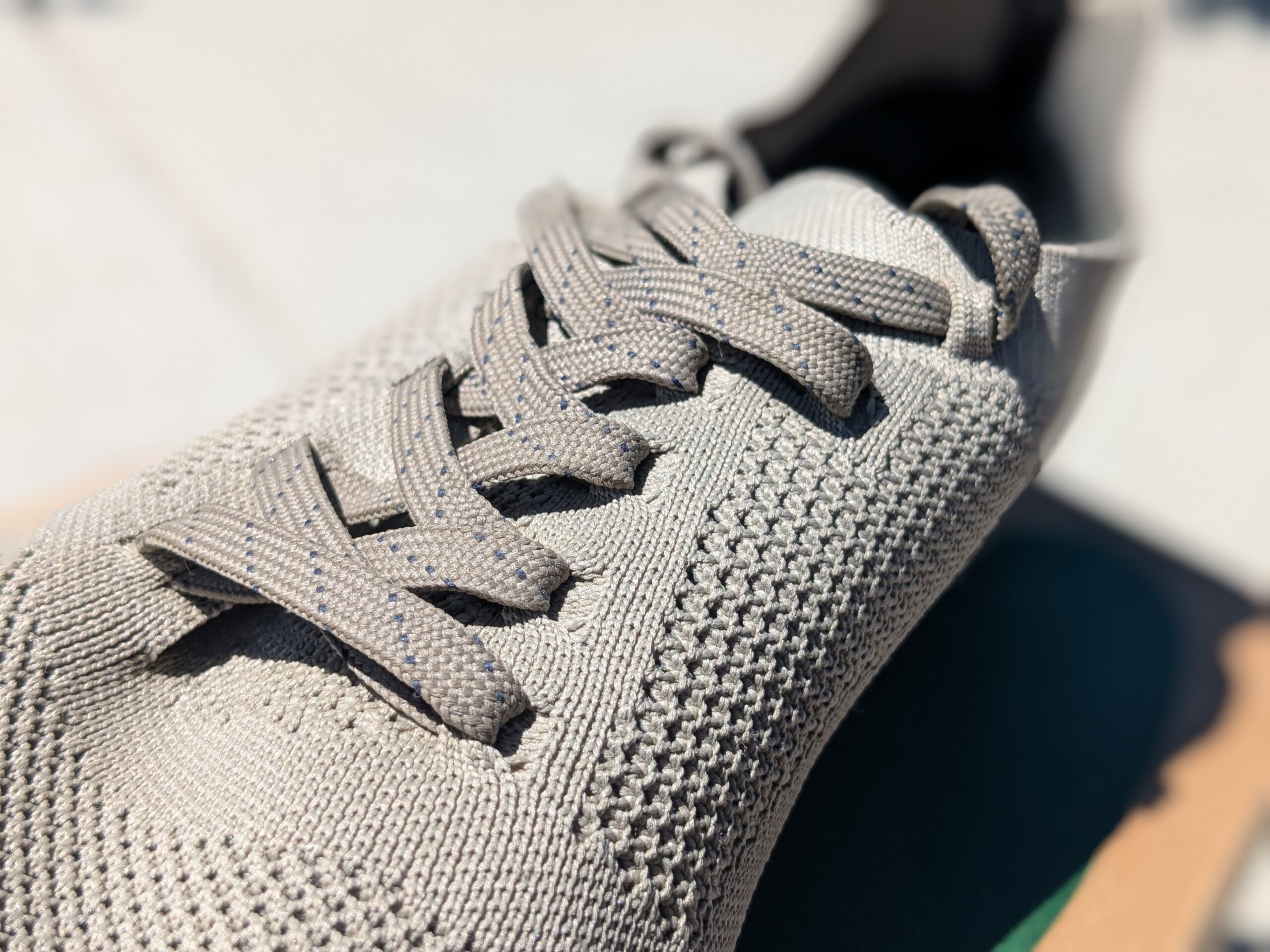
The lacing system enhances lockdown but may need adjusting. The slightly asymmetrical lacing and burrito-style tongue help with a snug fit. However, because the upper is so flexible, some may end up overtightening the lacing, which could stretch the eyelets over time.
The chunk of rubber at the front of the outsole is noticeable. I couldn’t quite work out what I could feel under my toes at first, but then I realized it was the outsole! Because of the sparse lug pattern and the chunk of rubber at the front of the outsole, it’s possible to feel the tread slightly underfoot. I got used to this in the end, but it was certainly strange at first.
Durability
Lightweight but with some durability concerns. While the Freet Keld 2 is well-constructed, the knit upper does raise some concerns regarding long-term durability. The material is prone to scuffing and abrasion, particularly in high-wear areas like the toe box and sides. If you frequently run on rocky or root-covered trails, expect the upper to show signs of wear sooner rather than later.
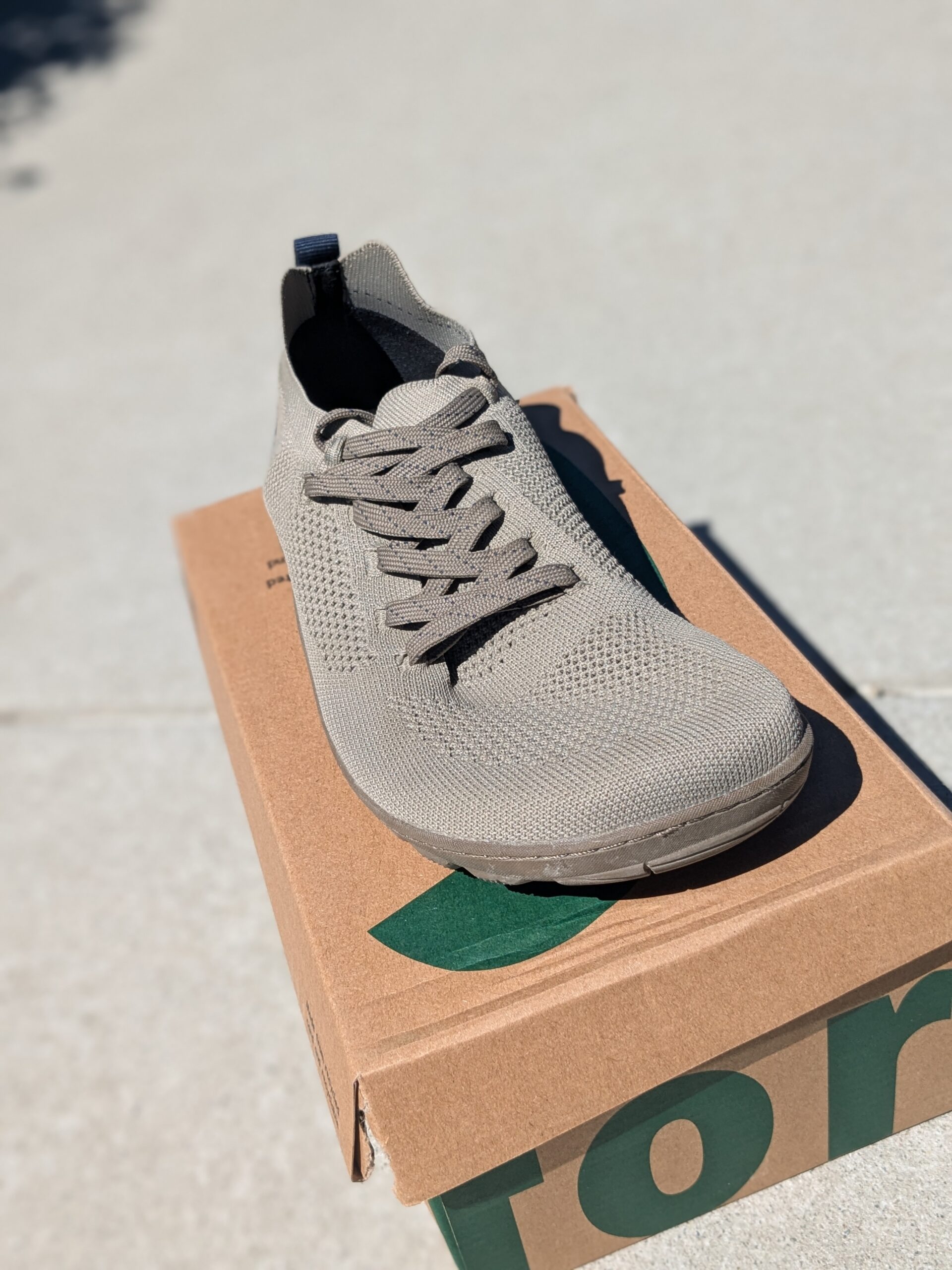
Stitch-and-glue construction holds up well. The outsole is securely attached to the upper using this method, which adds to the shoe’s longevity. Unlike some barefoot shoes that rely solely on glue, the stitched reinforcement ensures that the sole remains intact even with repeated flexing and bending.
Potential weak spot: the eyelets. One area of concern is the lacing eyelets, which are part of the knit material. While reinforced with extra stitching, they may stretch or weaken over time with heavy use. If you tend to pull your laces tight for a secure fit, keep an eye on this potential issue.
Sole wear is average for a barefoot shoe. The 3 mm tread pattern wears at a typical rate for a minimal shoe. Runners who primarily use these on pavement or rough trails may notice the lugs wearing down faster, but those sticking to softer terrain should get decent mileage out of them.
Conclusion
Ultimately, the Freet Keld 2 is an excellent choice for those seeking a truly minimal trail shoe with a natural fit and flexible feel. I’ve loved running in this shoe on flat gravel trails.
The shoes’ mixture of ground feel and flexibility lends them perfectly to barefoot training while making them comfortable for everyday usage.
Worth it for $95? Absolutely—just remember, if you want a shoe for more rocky, aggressive trails, you may need to look at the Feldom 2 or Calver 2.
Verdict
Discover the Freet Keld 2, a lightweight, barefoot-style trail shoe designed for comfort and flexibility on light trails. With a wide toe box and breathable kni...
Affiliate links support our reviews at no extra cost to you
Where to Buy
We earn a small commission from qualifying purchases at no extra cost to you. This helps support our independent testing.