
When I’m asked about barefoot running, one of the most common questions I hear is: “Should I get trail shoes or road shoes?” It’s a grea...
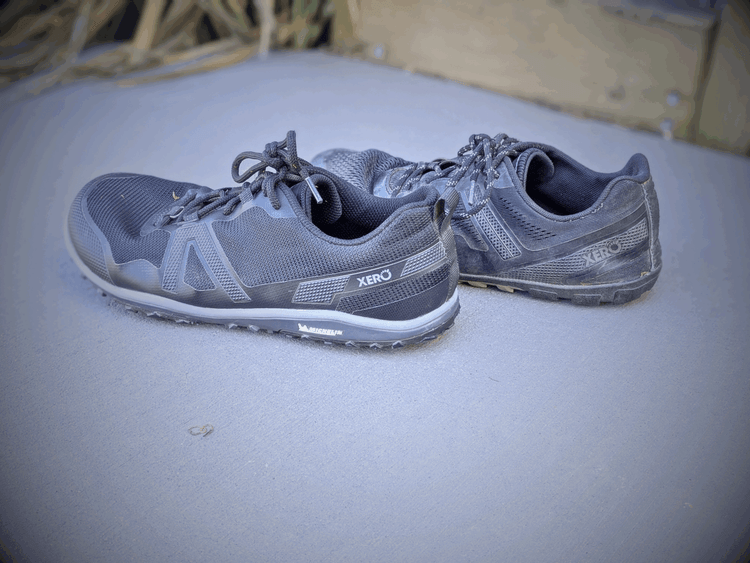
When I’m asked about barefoot running, one of the most common questions I hear is: “Should I get trail shoes or road shoes?” It’s a great question, and honestly, the answer isn’t always straightforward.
I’m mainly a trail guy, but I have many barefoot road shoes in my stash, I’ve learned that sometimes they’re interchangeable, and sometimes you’ve made the wrong shoe choice . Each serves a distinct purpose, and understanding when to use each can make or break your running experience.
Let me walk you through everything you need to know about barefoot trail versus road shoes, including when to use each and how to make the right choice for your runs.
What Actually Makes Trail and Road Shoes Different?
Outsole Design and Durability
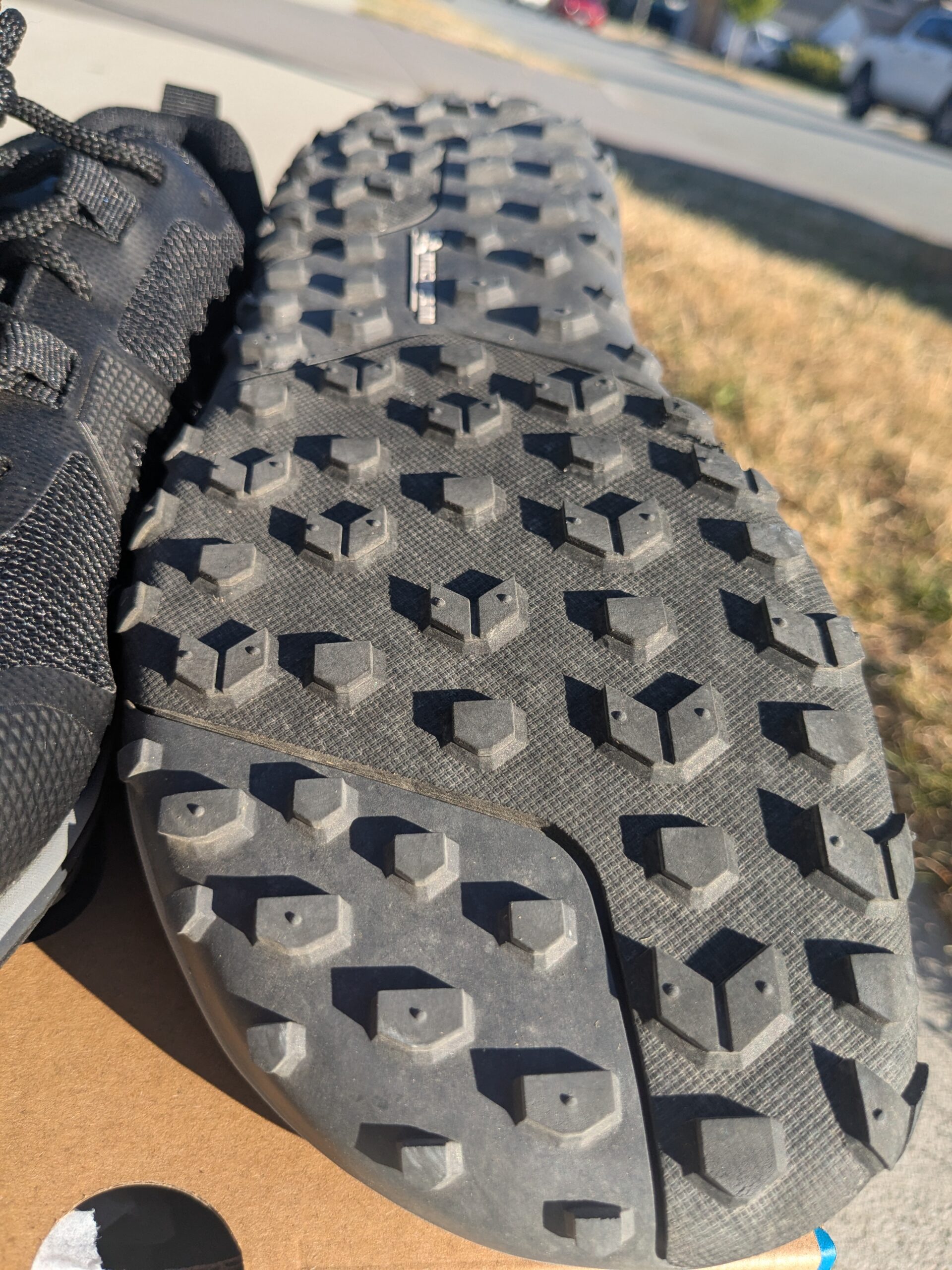
Trail shoes prioritize grip and protection over pure ground feel . The outsoles feature aggressive lugs—typically 3-6mm deep—designed to bite into mud, loose rocks, and uneven terrain. These lugs provide the traction you need when scrambling up steep sections or navigating slippery roots.
However, here’s the trade-off: those same lugs that excel on trails wear down rapidly on the pavement. When I’ve worn my Xero Mesa Trail IIs on road runs, the soft rubber compounds that make them grippy on trails become a liability on concrete. The lugs literally get chewed up by the abrasive surface . AND that should be expected.
Road shoes, on the other hand, use harder rubber compounds designed to withstand thousands of miles on pavement. The outsoles are typically flatter with minimal tread, maximizing the contact area with smooth surfaces for better efficiency and longevity.
Upper Construction and Protection
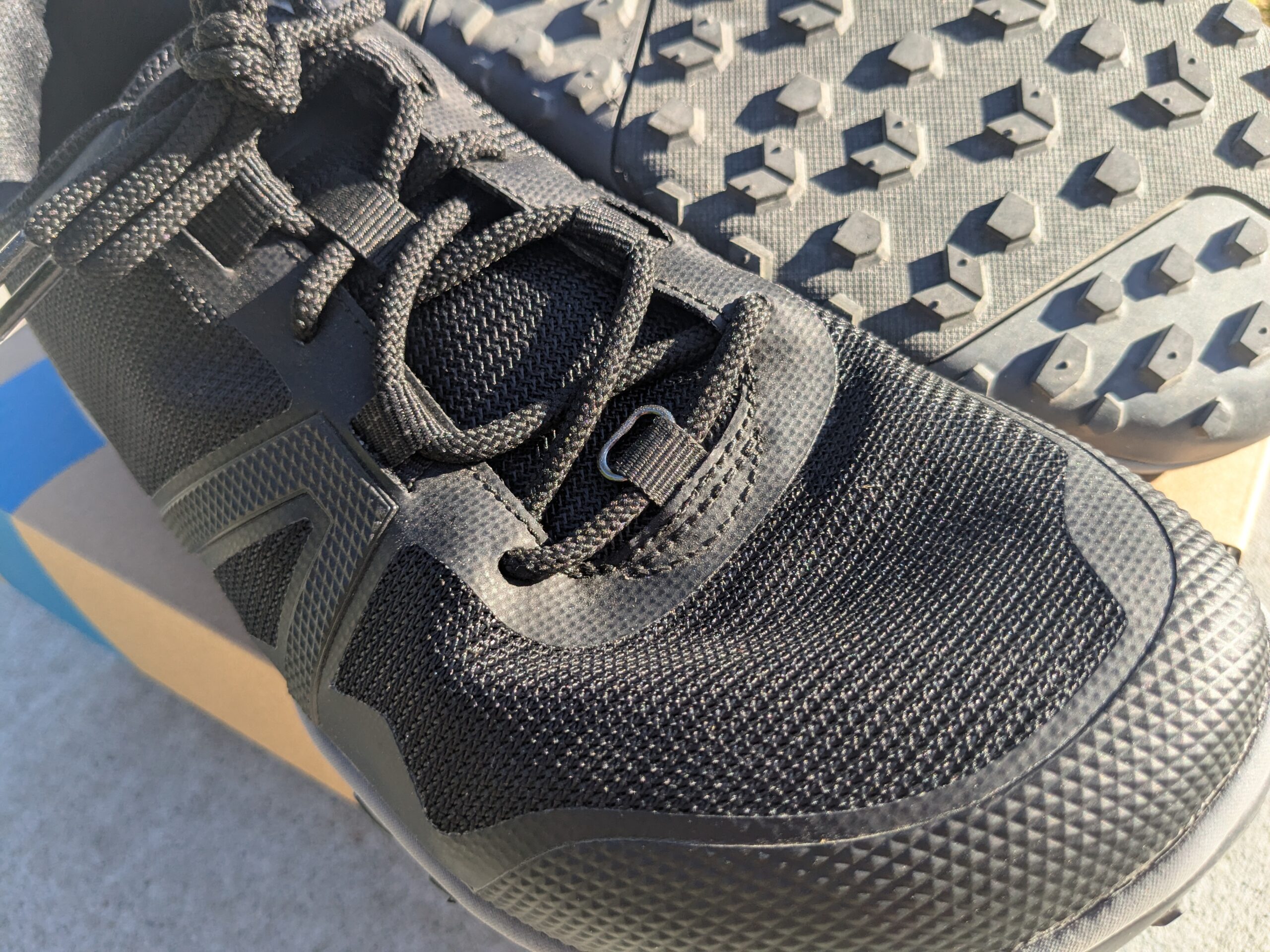
Trail shoes need more robust uppers to handle the punishment of rocks, roots, and debris . You’ll find reinforced toe caps, protective overlays, and often gusseted tongues to keep debris out. The materials tend to be stiffer and less breathable—a necessary compromise for durability.
Road shoes can afford to be more minimalist in their upper construction. With fewer obstacles to worry about, manufacturers can focus on breathability, weight reduction, and that sock-like fit that makes you forget you’re wearing shoes.
Stack Height Philosophy
This is where things get interesting for barefoot runners. Trail shoes often have slightly more stack height—not for cushioning, but for protection . Here’s some real numbers:
Trail Shoe Stack Heights:
- Vivobarefoot Primus Trail FG: 6.5mm without insole, 9mm with insole
- Xero Mesa Trail II: 8mm without insole, 11mm with insole
- Freet Calver 2: 9.5mm without insole, 12.5mm with insole
Road Shoe Stack Heights:
- Vivobarefoot Primus Lite III: 4mm without insole, 7mm with insole
- Xero HFS II: 9mm without insole, 12mm with insole
- Xero Speed Force II: 4.5mm without insole, 7.5mm with insole
Here’s the interesting part: while there’s a trend toward higher stack heights in trail shoes, it’s not always the case . The Vivobarefoot Primus Trail FG actually has less stack height than some road shoes like the Xero HFS II.
What matters more than pure stack height is outsole hardness and compound . The Primus Trail FG’s firm rubber compound provides excellent rock protection despite its minimal 6.5mm profile, while softer compounds need more thickness to prevent stone bruising. It’s why a 6.5mm Vivobarefoot can feel more protective on sharp rocks than a 9mm shoe with a softer outsole.
That strategic protection—whether through thickness or hardness—can make the difference between stepping confidently on sharp rocks and ending up with bruised feet. Trust me—I learned this the hard way during a 50km race in Andorra where I chose ground feel over protection and regretted it for days.
Real-World Shoe Recommendations
Best Trail Options
Best Road Options
The Bottom Line
The choice between trail and road barefoot shoes comes down to matching the tool to the task. Trail shoes excel at providing grip and protection for unpredictable terrain, while road shoes optimize efficiency and ground feel for consistent surfaces .
Rather than viewing this as an either-or decision, consider building a rotation that includes both. Having the right shoe for each type of running not only improves your experience but also extends the life of your footwear.
Remember, the goal of barefoot running is to let your feet function naturally while staying safe and comfortable. Sometimes that means choosing protection over pure minimalism, and that’s perfectly okay.
Your feet will thank you for making the smart choice based on the terrain ahead, not just the philosophy in your head.
Want specific recommendations for your foot type and running style? Check out my detailed reviews of the shoes mentioned above, and don’t hesitate to reach out with questions. I answer every email personally!
Where to Buy
Xero Shoes Mesa Trail II
Vivobarefoot Primus Trail FG
Xero Shoes Speed Force II
We earn a small commission from qualifying purchases at no extra cost to you. This helps support our independent testing.