
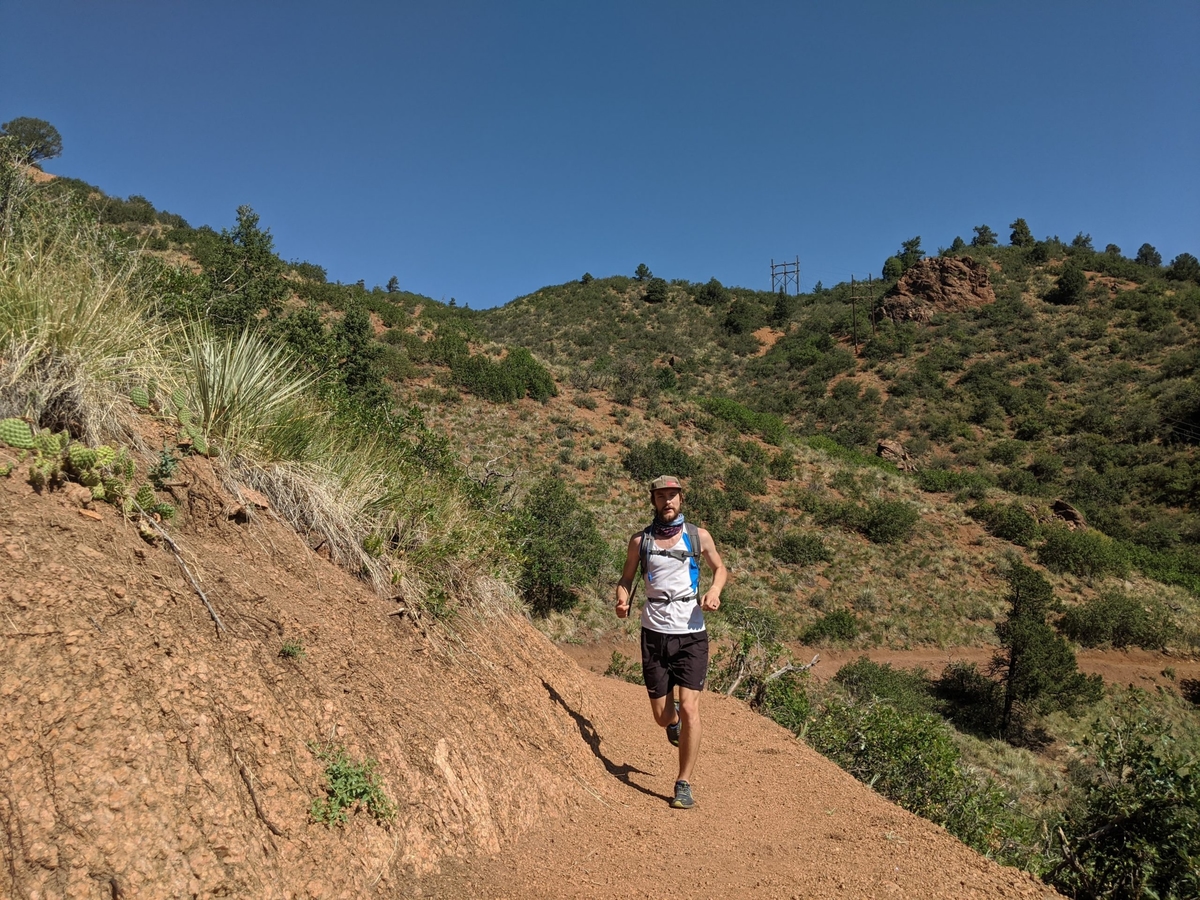
Stop guessing which barefoot shoes to buy. Start following a proven rotation plan.
The step-by-step shoe roadmap that takes you from conventional shoes to barefoot — without the injuries that stop 86% of people who try.
Get The Transition Blueprint — $39You've read the reviews. You know barefoot shoes are better for your feet.
But you're stuck on the same question everyone gets stuck on:
"Which shoes do I actually buy RIGHT NOW, for MY level, and what do I move to next?"
Every guide tells you to "transition slowly." None of them tell you exactly how — which shoes, in what order, for how long, and what percentage of your runs to do in each.
That's what The Transition Blueprint does.
The 4-Phase Rotation System
Based on the research showing shoe rotation reduces injury risk by 39% — applied specifically to the barefoot transition.
Phase 1: Foundation
Target: 8-4mm drop
Start with low-drop bridge shoes while keeping your current shoes for most runs. Gradually shift the ratio over 6-8 weeks as your feet adapt to less heel elevation.
Recommended: Altra Torin, Altra Escalante, Topo ST-5
Phase 2: Bridge
Target: 4mm → 0mm cushioned
Step down to zero-drop shoes with cushion. Your Achilles and calves have adapted to lower drop — now remove it entirely while keeping the safety net of stack height.
Recommended: Altra Escalante Racer, Bahé Revive, Topo ST-5
Phase 3: Transition
Target: 0mm drop, 8-15mm stack
Reduce stack height so your feet start feeling the ground. This is where proprioception kicks in and your intrinsic foot muscles really start working.
Recommended: Xero Shoes HFS II, Freet Skeeby, Bahé Adapt
Phase 4: Barefoot
Target: 0mm drop, 3-10mm stack
True barefoot shoes with maximum ground feel. Many runners stay in a rotation with Phase 3 shoes permanently — and that is perfectly fine.
Recommended: Vivobarefoot Primus Lite, Xero Shoes Speed Force II, Merrell Vapor Glove
Why Most People Fail at the Barefoot Transition
Studies show 86% of runners who switch to minimalist shoes get injured in the first six weeks. Not because barefoot shoes are dangerous — but because they skip the stepping stones.
They jump straight from 12mm-drop cushioned shoes to Vivobarefoot and wonder why their calves are on fire and their Achilles is screaming.
The fix isn't "go slower." The fix is a structured rotation that lets your body adapt at each drop level before stepping down to the next:
- Specific shoes matched to your current adaptation level
- A weekly rotation ratio that shifts as you progress
- Clear criteria for when to step down to the next phase
- Red flags that tell you to back off before injury hits
That's what every "transition slowly" guide is missing — and what this Blueprint provides.
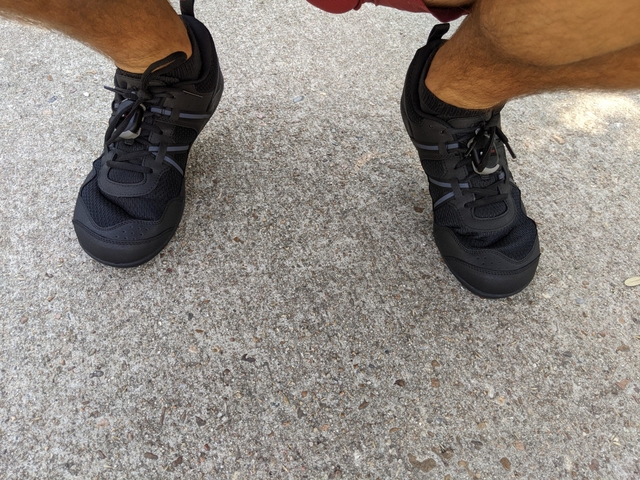
What You Get
Shoe-by-Shoe Roadmap
Specific shoe recommendations at every phase — road and trail options — from brands I've personally tested. No guesswork about what to buy next.
Weekly Rotation Schedules
Exact percentages for how to split your mileage between shoe types each week. A clear ratio that shifts as you progress through each phase.
Progression Criteria
Measurable signals that tell you when you're ready to move to the next phase. No more "listen to your body" without knowing what to listen for.
Injury Protocols
What to do when calf tightness, Achilles soreness, or plantar pain appears. Specific back-off protocols so a setback doesn't become a full stop.

Built for Runners AND Walkers
Most barefoot transition advice is written for runners. But "Best Zero Drop Walking Shoes" is one of the most-searched pages on this site — because walkers and everyday wearers want this guidance too.
The Blueprint includes both tracks:
- Runner Track — Mileage-based rotation percentages, race timing considerations, speed work guidance at each phase.
- Walker/Lifestyle Track — Hours-per-day progression, work shoe considerations, casual wear recommendations at each phase.
Plus a "What If I'm Injured Mid-Transition?" protocol for backing off safely and restarting without losing progress.
Everything Inside The Transition Blueprint
The complete framework: drop levels, stack heights, timelines, weekly rotation schedules, progression criteria, exercises, and red flags for each phase. Works on any phone or tablet.
A companion web page listing 3-5 recommended shoes per phase with live affiliate links. Updated when new models release — so your guide never goes stale.
Log which shoes you wear each day, track your percentage of volume at each drop level, and see your visual progress through the 4 phases.
Two separate progression paths within the same guide — different timelines, different shoe recs, different metrics. Choose the one that fits your life.
What to do when calf tightness, Achilles soreness, or plantar pain shows up. Back-off rules, exercises, and when to see a professional.
My Money-Back Guarantee
If you follow the protocol and it doesn't work for you — I'll refund every penny.
No questions asked. No hoops to jump through. Just email me.
I'm this confident because the rotation approach is backed by research (39% injury reduction from shoe rotation, 70.8% success rate with stepwise protocols) and I've personally tested every shoe I recommend.
Why I Built This
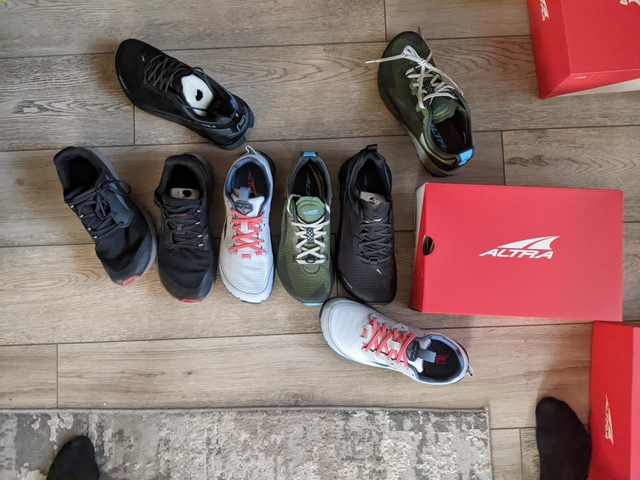
I'm Nick — UESCA certified running coach, ultrarunner, and the person behind Barefoot Run Review. I've personally tested 184 shoes across the full drop spectrum, from Hoka to Vivobarefoot.
I built The Transition Blueprint because I was tired of answering the same question in every email: "I want to go barefoot but I don't know where to start or what shoes to buy at my level."
Every review on this site tells you whether a shoe is good. This guide tells you whether it's good for you, right now, at your current stage. That's the piece nobody else provides — because nobody else has tested shoes at every point on the spectrum.
Want the Complete Package?
The Transition Blueprint tells you what to put on your feet. Your Barefoot Journey tells you what to do with your feet. Together, they cover the full transition — shoes + exercises + running progression.
Not Sure Which Phase You're In?
Take this 2-minute quiz to find out where you are in your barefoot transition — and what to do next.
Frequently Asked Questions
Do I need to go fully barefoot?
No. Many runners settle happily at Phase 2 or Phase 3 and stay there permanently. The Blueprint gives you a roadmap for the full journey, but you choose how far to go. Every phase makes you a stronger runner.
I'm not a runner — is this for me?
Yes. The Blueprint includes a separate walker/lifestyle track with different timelines, shoe recommendations, and progression criteria designed for non-runners. Your top traffic tells me many of you are walkers looking for this exact guidance.
What if I've already started transitioning?
The assessment quiz will place you at your current phase based on what you're already wearing and how your body is responding. You don't have to start from Phase 1 — pick up where you are.
How is this different from Your Barefoot Journey?
Your Barefoot Journey teaches you exercises and running progression — what to do with your feet. The Transition Blueprint tells you what to put on your feet — which shoes, in what order, for how long. They're complementary. Bundle them for the complete package.
What if shoe models change?
The PDF covers the timeless framework: phases, timelines, rotation ratios, and progression criteria. The companion web page lists current shoe recommendations with live links — I update it when new models release or old ones are discontinued.
Can I get a refund?
Yes. If you follow the protocol and it doesn't work for you, email me for a full refund. No questions asked.
Stop Guessing. Start Transitioning.
Every review on this site answers "is this shoe good?" The Transition Blueprint answers the harder question: "Is this shoe right for ME, right NOW?"
4 phases. Specific shoes at every stage. Weekly rotation schedules. Progression criteria. Injury protocols. Runner and walker tracks.
Backed by research. Built on 184 shoe reviews. Updated annually.
Get The Transition Blueprint — $39Money-back guarantee. Instant delivery.