Affiliate Disclosure: By clicking through the links on this page and purchasing the products, you’ll be helping me out. This is done because I receive a kickback from the sellers at no extra cost to you! Thank you so much for supporting us!
Weight
338g (Flex) / 313g (Adapt) / 340g (Endurance)
Stack height
10mm Flex / 14mm Adapt / 22mm Endurance (Zero Drop)
Made for
Cold/wet hiking, waterproof trail running
Pros & Cons
✓ Available in 3 stack heights for versatility
✓ Wide, anatomical toe box fits most foot shapes
✓ Genuine waterproof membrane for wet conditions
✓ Grounding technology maintains earth connection
✗ Reduced breathability vs breathable Revive
✗ Stiffer upper due to waterproof membrane
✗ No half sizes available


Use BRR10 for 10% off!
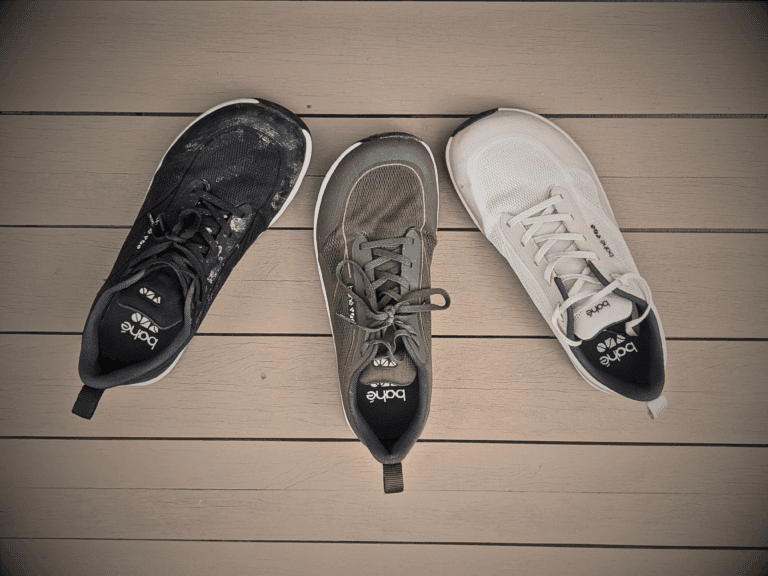
I’ve got three identical shoes sitting in front of me right now. Same fit, same upper, same outsole pattern. The only difference? Stack height.
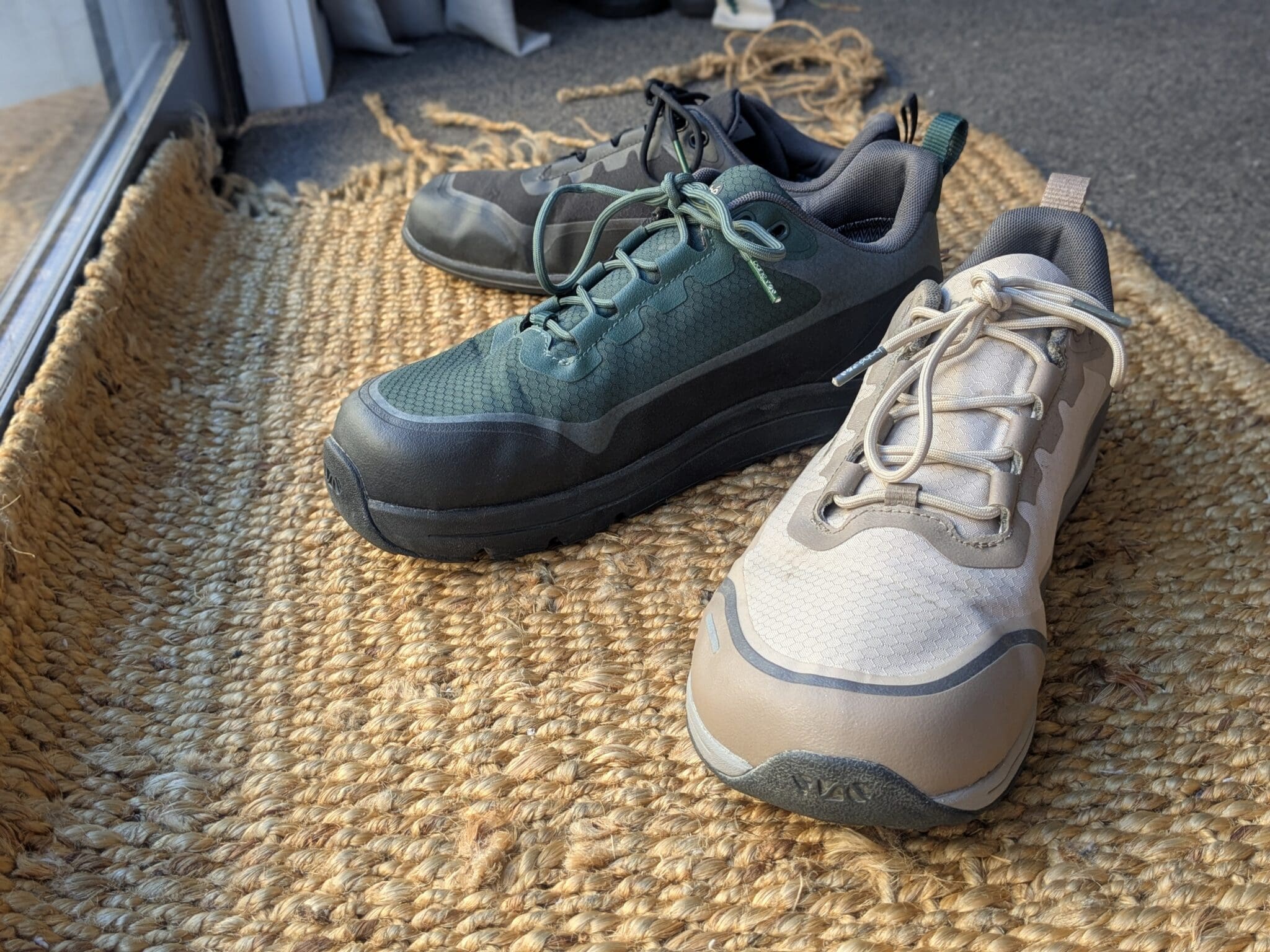
Welcome to the Bahé Rewild—a waterproof hiking shoe that comes in three distinct cushioning options: Flex (10mm), Adapt (14mm), and Endurance (22mm). It’s the same approach Bahé took with the Revive Modes, except now you’re getting a waterproof liner for cold and wet conditions.
The big question isn’t just which stack height to choose—it’s whether you even need the Rewild at all. Because here’s the thing: the Rewild is essentially the Revive with a waterproof membrane. That membrane makes the upper stiffer, reduces breathability, and adds a bit of weight. So unless you’re specifically hiking in cold, wet conditions, the Revive is probably the better choice.
But if you do need waterproofing? The Rewild delivers. And having three stack heights to choose from means you can dial in exactly how much cushion you want without compromising on fit.
Let me break down what makes the Rewild tick, how it compares to the Revive, and most importantly—which version (if any) makes sense for your feet.
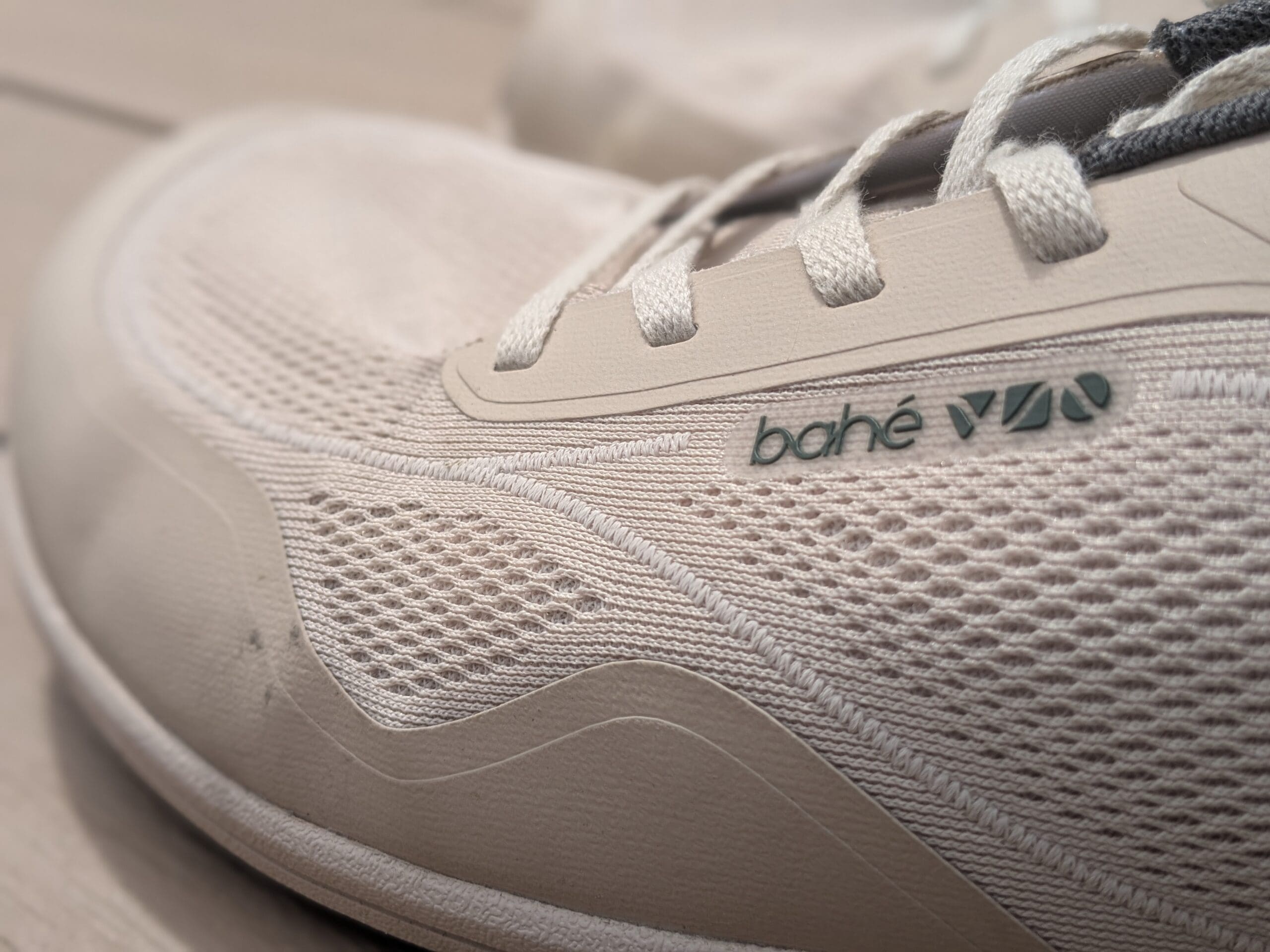
The Rewild is essentially the Revive with a waterproof membrane. You get the same wide, anatomical fit and grounding technology—just sealed up for rain, snow, and stream crossings. The trade-off? Reduced breathability and a slightly stiffer upper compared to the mesh Revive.
Stack Height Options:
| Mode | Stack Height | Weight (UK8) | Best For |
|---|---|---|---|
| Flex | 10mm | 338g | Minimal feel, casual wear, walking |
| Adapt | 14mm | 313g | All-around hiking, versatile use |
| Endurance | 22mm | 340g | Long hikes, maximum protection |
The Adapt is the lightest at 313g, which seems counterintuitive. You’d expect the Flex to be lightest since it has the least stack height, but Bahé has optimized the midsole and outsole coverage differently across the range. The Adapt is the sweet spot for most hikers—light, versatile, and balanced.
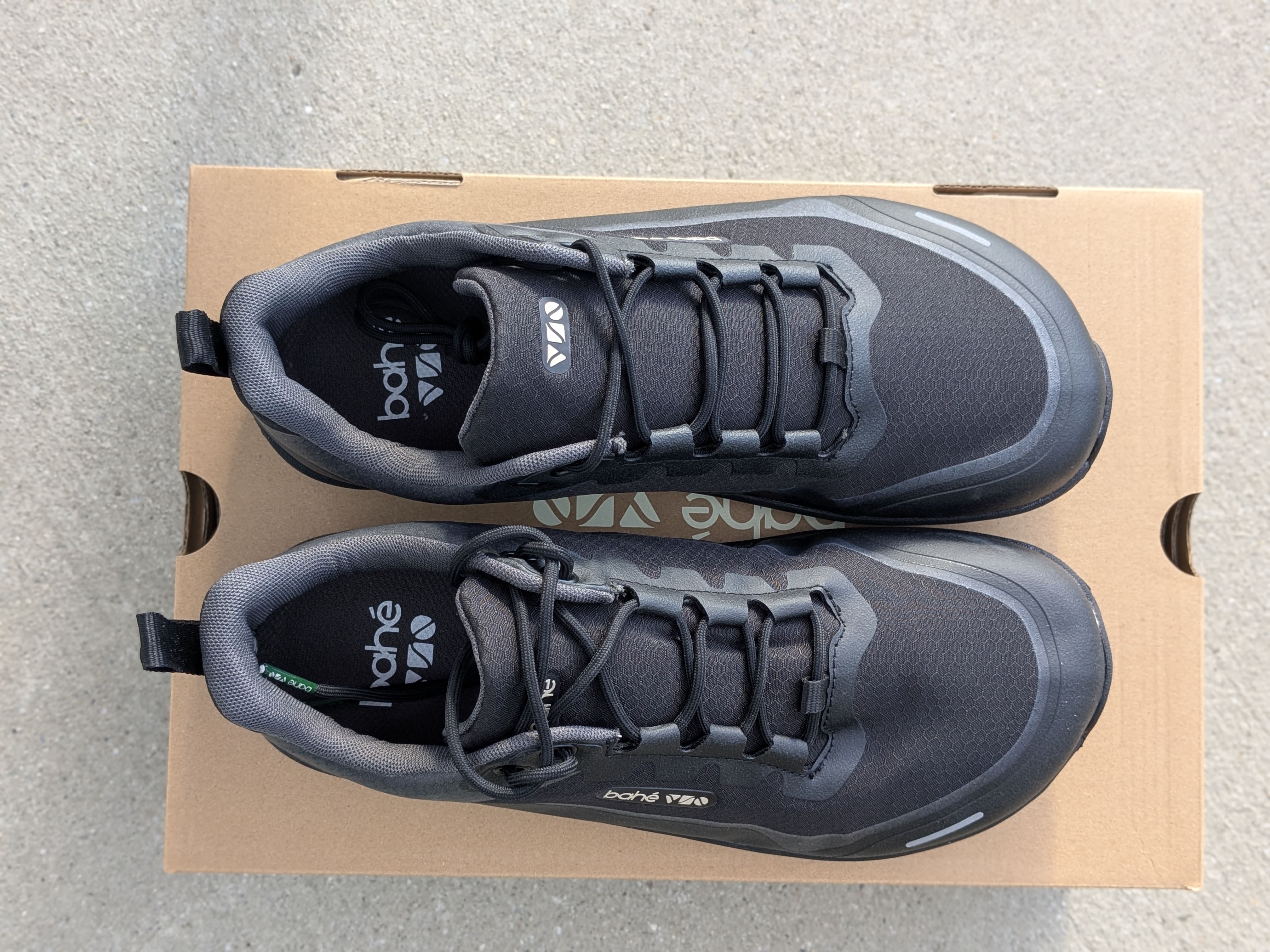
If you’ve worn the Revive, you already know how the Rewild fits. The upper construction is identical—same last, same shape, same volume. The only difference is the waterproof membrane laminated to the interior.
The fit is wide and deep—much more accommodating than most barefoot brands. If you’ve struggled with Vivobarefoot feeling too narrow or Altra not giving you enough depth over the midfoot, the Rewild could be exactly what you need.
Does it fit true to size?
I’d go with your normal size, but be aware that Bahé only offers full sizes. There are no half sizes available, which is frustrating if you’re between sizes. If you’re on the border, I’d suggest going up rather than down—you want that extra length to let your toes spread naturally, especially in a hiking shoe where you’re dealing with downhill sections.
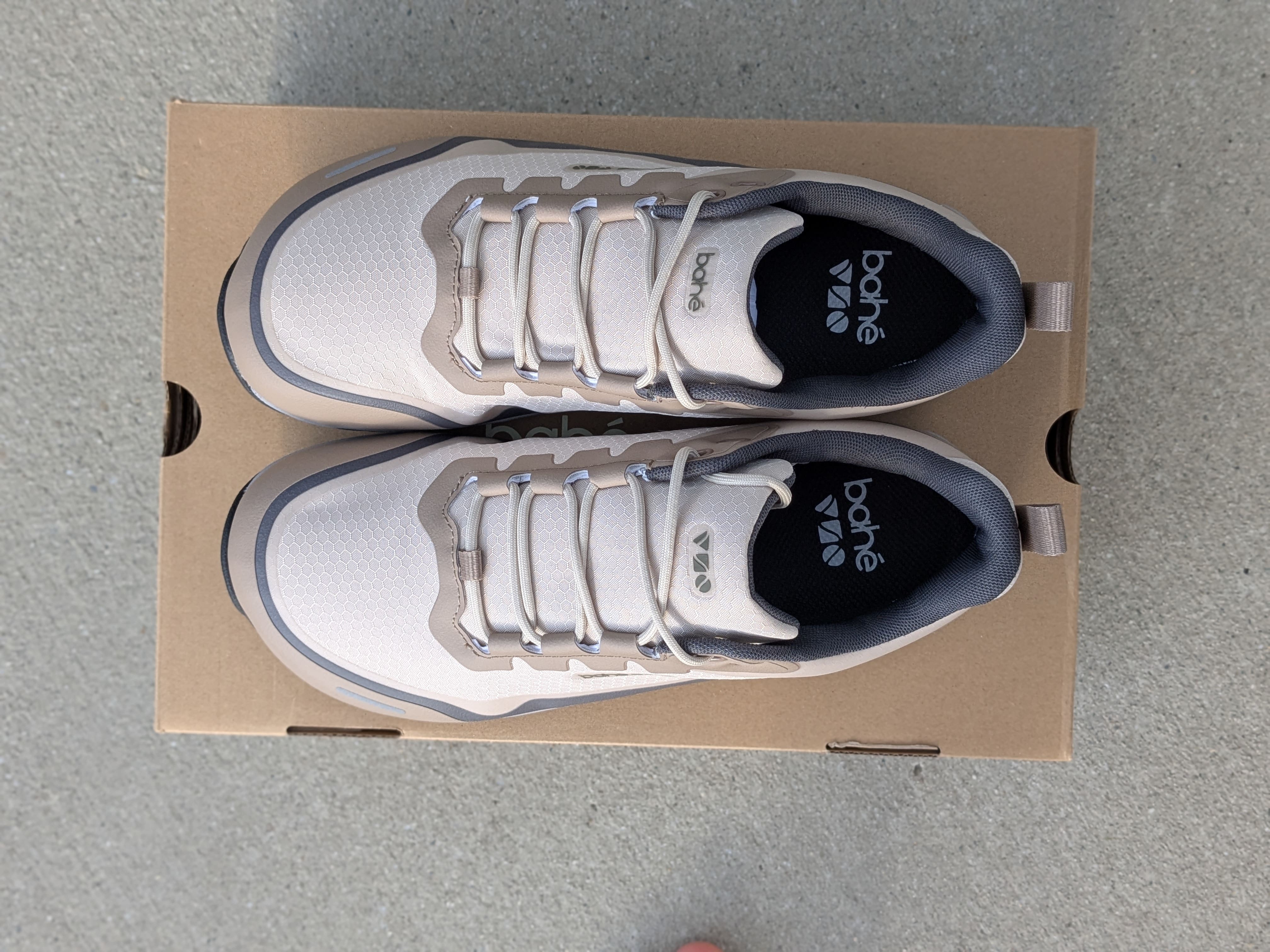
The waterproof liner doesn’t change the interior volume, but it does make the upper feel slightly stiffer. When you first put these on, you’ll notice the upper doesn’t flex quite as freely as the breathable Revive. It’s not restrictive, but there’s definitely less give. Over time, the upper will soften and conform to your foot, but expect a slightly firmer feel compared to the mesh Revive.
How wide is the toe box?
Your toes will have plenty of room to spread. The Rewild uses the same anatomical last as the Revive, which means it’s squared off at the front to accommodate natural toe splay. If you have fan-shaped feet where your toes radiate outward, this shape will feel natural.
For comparison, the Rewild is wider than Altra, Topo, Xero Shoes, and Vivobarefoot. It’s in the same territory as Lems—genuinely spacious without feeling sloppy. If you have a narrow foot, you might feel like you’re swimming in these. But if you’ve ever complained about toe box width in other brands, the Rewild will feel like a breath of fresh air.
Is the shoe made for a high or low-volume foot?
This is definitely a high-volume shoe. The depth over the midfoot is substantial, which is great if you’ve got a thick foot or high arches. If you’ve ever felt pressure on the top of your foot from other barefoot shoes, the Rewild will eliminate that issue.
You can remove the insole to gain even more volume. The footbed underneath is the same material, so you’re not losing much in terms of comfort. However, removing the insole means you lose the grounding connection—the conductive material is woven into the insole to maintain electrical contact with the earth. If grounding is important to you, keep the insole in.
Does the shoe have a good heel lock?
The heel lock is adequate for a hiking shoe, but it’s not performance-level secure. The heel counter is semi-structured—there’s some rigidity to help cup the heel, but it’s not a hard plastic counter like you’d find in traditional hiking boots.
If you have a narrow heel, you’ll likely experience some movement. I found that tightening the laces helped, but there’s still a bit of volume back there. This isn’t a dealbreaker for hiking (where you’re not pushing off aggressively like in running), but it’s worth noting.

One issue I encountered: the ankle collar sits a bit high and can rub against the ankle bones. This happened on both sides of my ankle, right where the eyelets end. It wasn’t severe enough to cause blisters, but it was noticeable on longer hikes. Bahé has mentioned they’ve refined the ankle collar from the original Revive to reduce this issue, but I still felt it slightly. If you have prominent ankle bones or a history of collar rubbing in other shoes, you might experience this too.
A workaround: use a thicker sock or add a second insole to lift your heel slightly, which reduces how high the collar sits relative to your ankle. But ideally, Bahé could lower the collar another 3-4mm to eliminate this entirely.
Is the shoe made for a wide foot?
Absolutely. The width extends throughout the entire shoe—not just the toe box. If you’ve ever had lateral midfoot pressure from shoes squeezing the sides of your foot, the Rewild will feel open and unrestricted.
This is one of the widest barefoot shoes on the market. If you have a genuinely wide foot and have struggled to find shoes that don’t compress your metatarsals, the Rewild should be on your shortlist.
This is where the three stack heights diverge. The fit is identical, but the feel underfoot is completely different depending on which mode you choose.
Rewild Endurance (22mm) – Maximum Protection
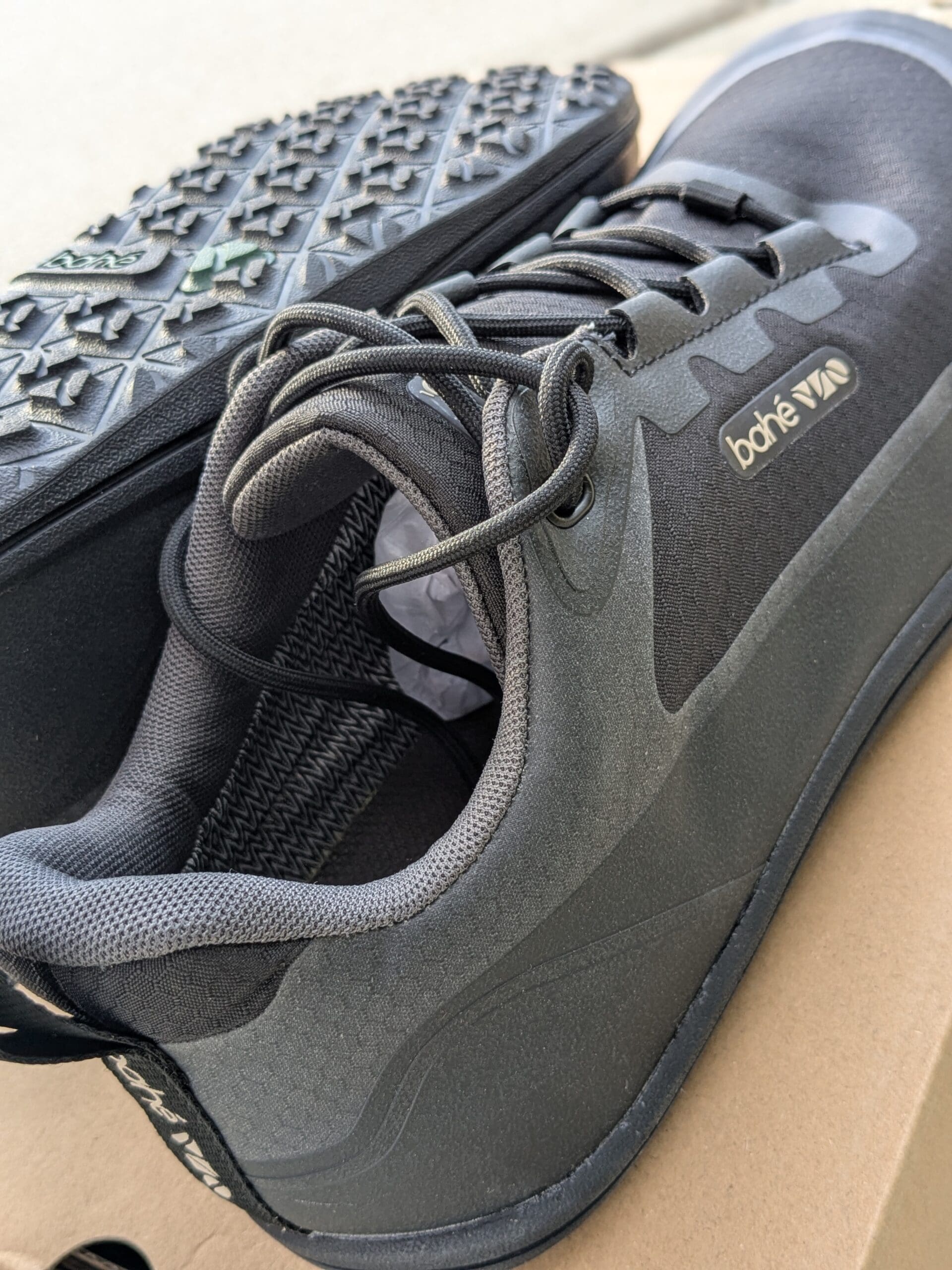
The Endurance is the most cushioned option, and it feels protective without being mushy. At 22mm of stack (19mm without the insole), you’re getting a serious buffer between your foot and the ground. This is the option for long hikes with a heavy pack, technical terrain where you want impact protection, or if you’re transitioning from traditional hiking boots.
The midsole is firm enough to prevent that unstable, rolly feeling you get in overpadded shoes. Bahé has engineered flexibility into the forefoot with cutouts in both the midsole and outsole, which prevents the shoe from feeling like a rigid block. You still get decent ground feedback—you’re not completely disconnected from the trail.
Weight is noticeable at 340g. This is the heaviest option, and you’ll feel it on your feet during a full day of hiking. The trade-off is maximum protection and full outsole coverage, which means better durability on rocky terrain.
Who should choose Endurance:
- Hikers carrying heavy packs (15kg+)
- Those transitioning from traditional hiking boots
- Anyone with sensitive feet or recovering from injury
- Long-distance hikers who prioritize comfort over ground feel
Revive Adapt (14mm) – The Versatile Middle Ground
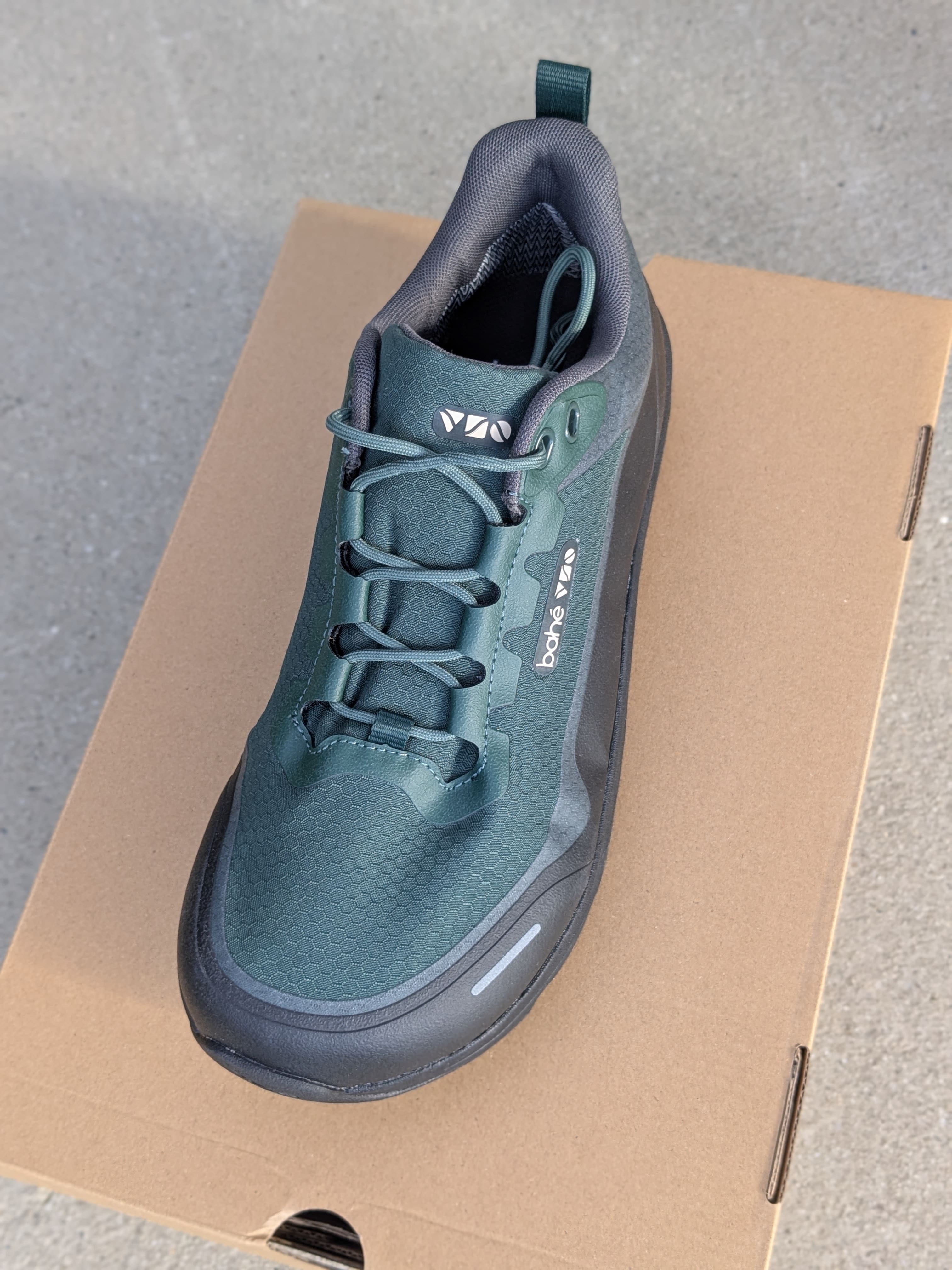
This is the sweet spot for most hikers. At 14mm, the Adapt offers enough cushion for all-day comfort but maintains solid ground connection. I’ve used this on everything from gravel paths to rocky single-track, and it just works.
The Adapt is the lightest option at 313g, which makes no sense on paper but is a pleasant surprise in practice. Bahé has optimized the outsole coverage and midsole density specifically for this stack height, and the result is a genuinely lightweight hiking shoe that doesn’t sacrifice durability.
Ground feel is excellent for a 14mm shoe. The midsole firmness is perfectly balanced—soft enough for comfort over distance, but firm enough that you still feel texture and contours underfoot. This is critical for proprioception and stability on uneven terrain.
Flexibility is good in the forefoot. The shoe bends naturally under the ball of the foot, which allows for natural toe-off and prevents that “walking in blocks” feeling you get with rigid hiking boots.
Who should choose Adapt:
- Most hikers looking for one versatile shoe
- Those who want balance between protection and ground feel
- Hikers transitioning from minimalist trail runners
- Anyone prioritizing lightweight performance
Rewild Flex (10mm) – Maximum Ground Connection
Here’s where I need to be honest: the Flex is a tough sell as a hiking shoe. At 10mm of stack (7mm if you remove the insole), you’re getting minimal cushioning and maximum ground feel. That’s great for barefoot purists, but it comes with a weight penalty that doesn’t make sense.
The Flex weighs 338g—heavier than the Adapt and only slightly lighter than the Endurance. This is because the outsole wraps around the midsole with full coverage, adding material without adding protection. For a minimal shoe, this weight is frustrating.
Ground feel is excellent, as you’d expect from a 10mm shoe. You’ll feel every rock, root, and texture on the trail. If you’re well-adapted to barefoot hiking and you want maximum proprioceptive feedback, the Flex delivers that. But you could get 95% of that ground feel with the Adapt at a lighter weight.
Where the Flex makes sense: as a casual shoe or walking shoe. It’s a sharp-looking shoe that works great for daily wear, dog walks, or light trail walking where weight isn’t a concern. But for serious hiking? I’d choose the Adapt instead.
Who should choose Flex:
- Barefoot purists who prioritize ground feel above all else
- Casual wearers looking for a stylish, grounded shoe
- Those who primarily use it for walking, not hiking
- Anyone who doesn’t care about weight optimization

Bahé Rewild Adapt (14mm)
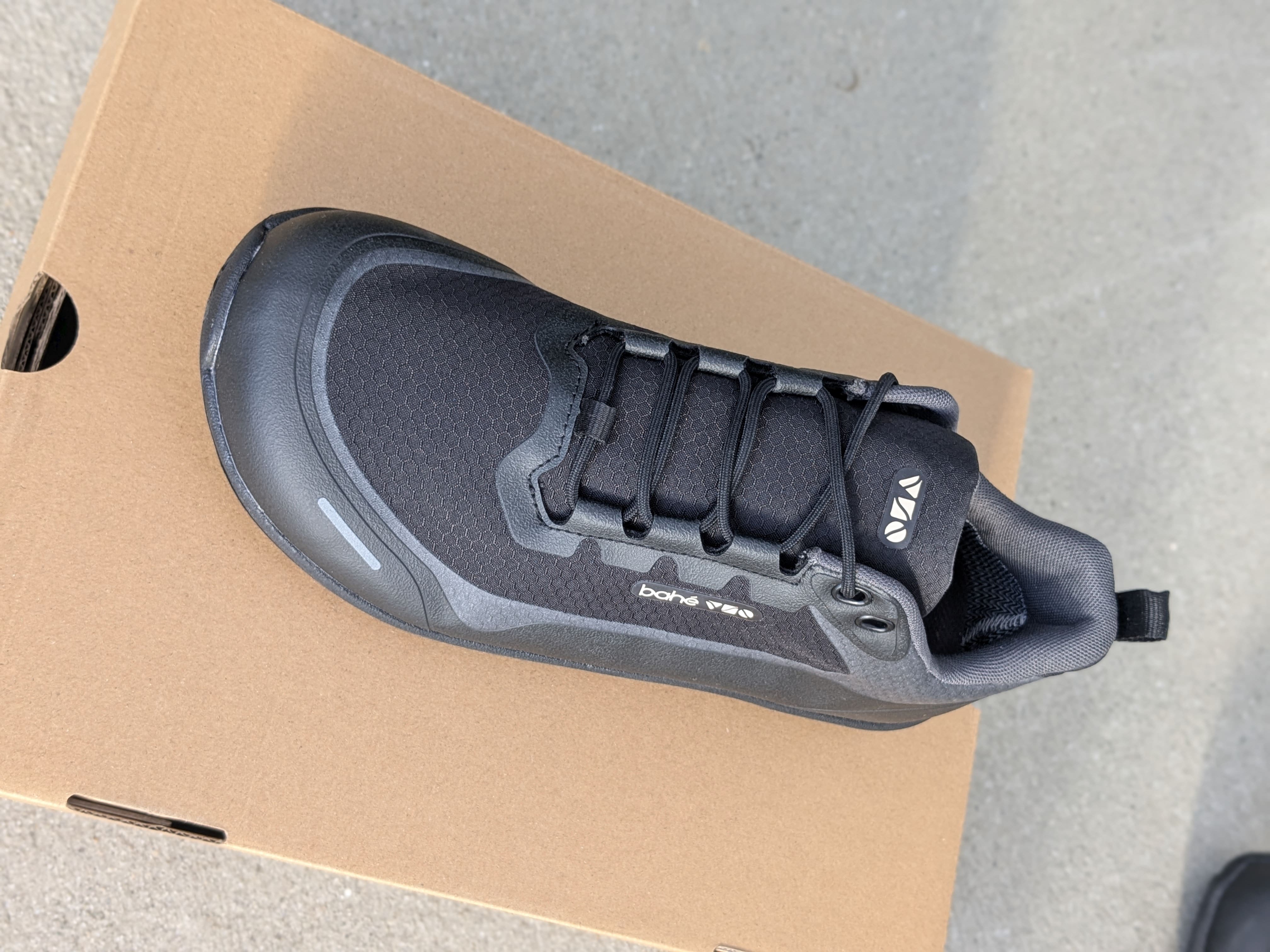
The waterproof membrane is the defining feature of the Rewild—and it comes with trade-offs. You’re getting genuine waterproof protection, but you’re sacrificing breathability and flexibility compared to the Revive.
How waterproof is it?
Genuinely waterproof. I’ve hiked through streams, wet grass, and muddy trails, and my feet stayed dry. The membrane is laminated throughout the upper, and the construction is seam-sealed. This isn’t just water-resistant—it’s proper waterproofing.
However, waterproof doesn’t mean dry. If you’re hiking in warm conditions or working hard on steep terrain, your feet will sweat. And because the membrane blocks airflow, that moisture has nowhere to go. Your feet will get wet from the inside, even if they’re dry from the outside.
When does the waterproof membrane make sense?
Cold and wet conditions—that’s where the Rewild shines. If you’re hiking in fall, winter, or early spring where temperatures are low and trails are wet, the Rewild is fantastic. Your feet stay dry and warm, and the reduced breathability isn’t an issue because you’re not overheating.
In warm weather, skip the Rewild and choose the Revive instead. The breathable mesh upper of the Revive will keep your feet far more comfortable when temperatures rise above 15°C (60°F). I made the mistake of wearing the Rewild on a warm spring hike, and my feet were swimming in sweat within 30 minutes.
How does the waterproof upper affect flexibility?
The upper is noticeably stiffer than the Revive. The membrane adds a layer that restricts how much the upper can flex and conform to your foot. When you first put these on, you’ll notice the difference immediately—the Revive feels soft and flexible, while the Rewild feels more structured.
Over time, the upper does soften and break in. After about 20 hours of hiking, the Rewild became noticeably more comfortable as the materials relaxed. But it never reaches the same level of flexibility as the breathable Revive.
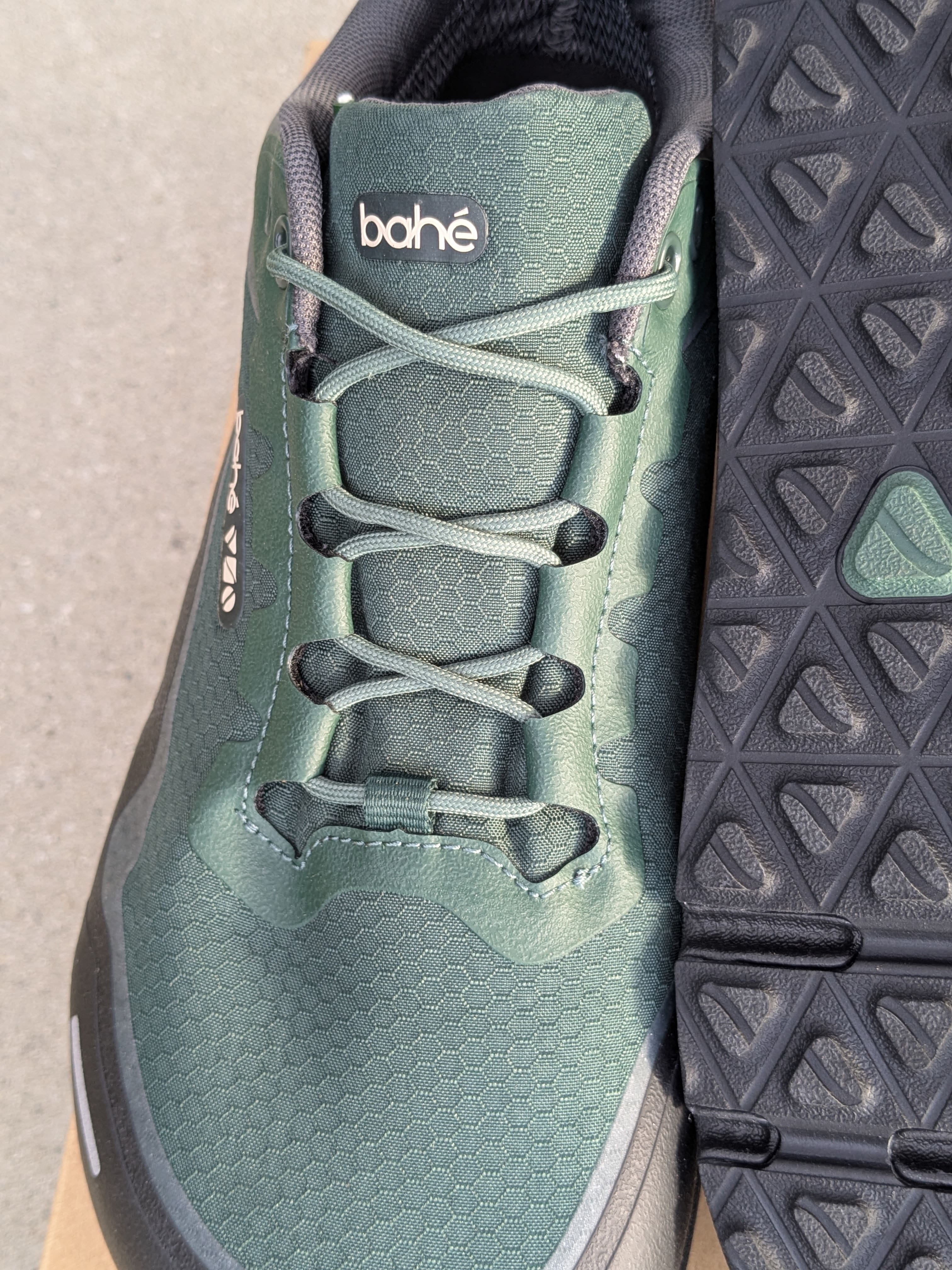

Bahé Rewild
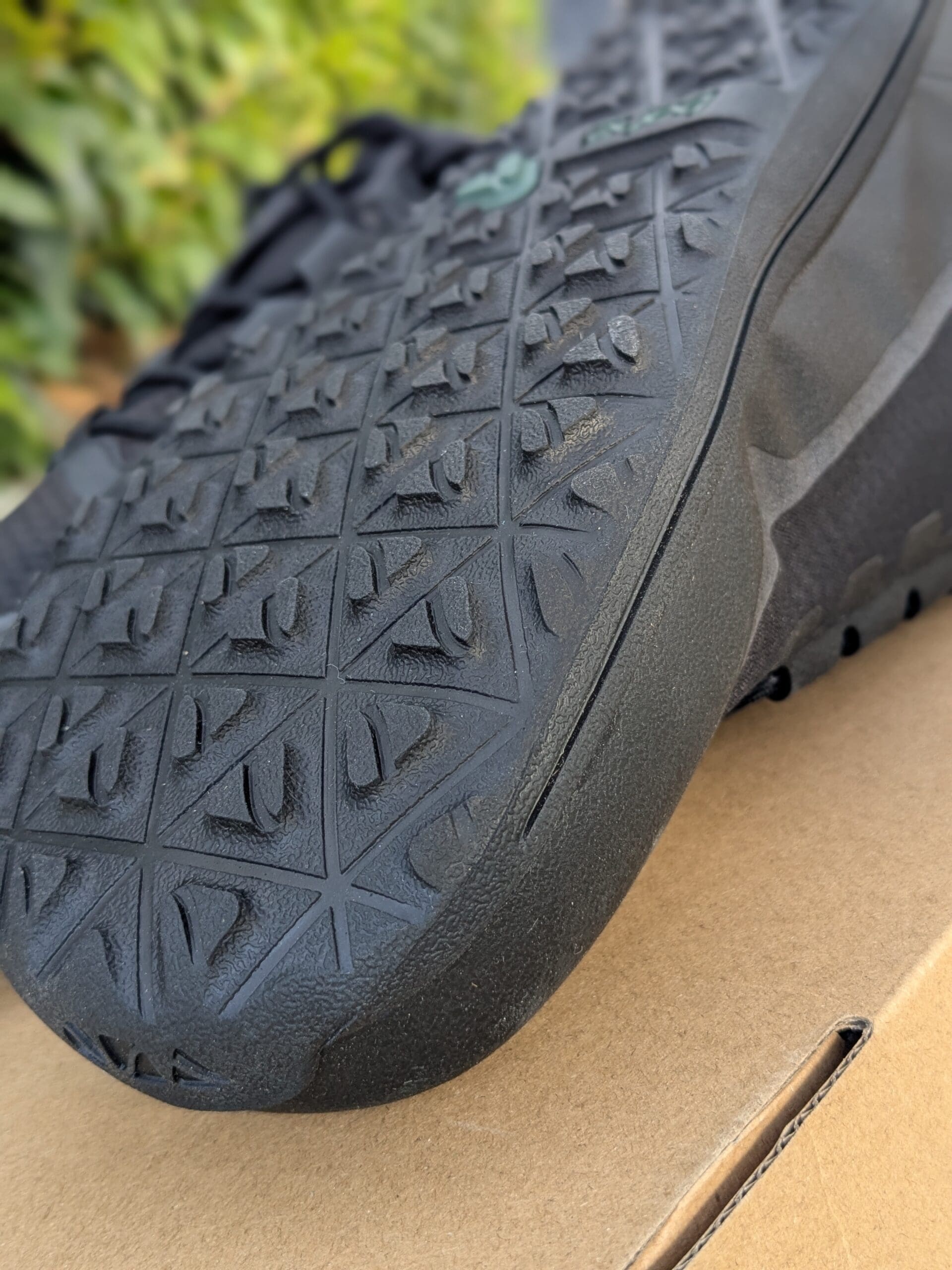
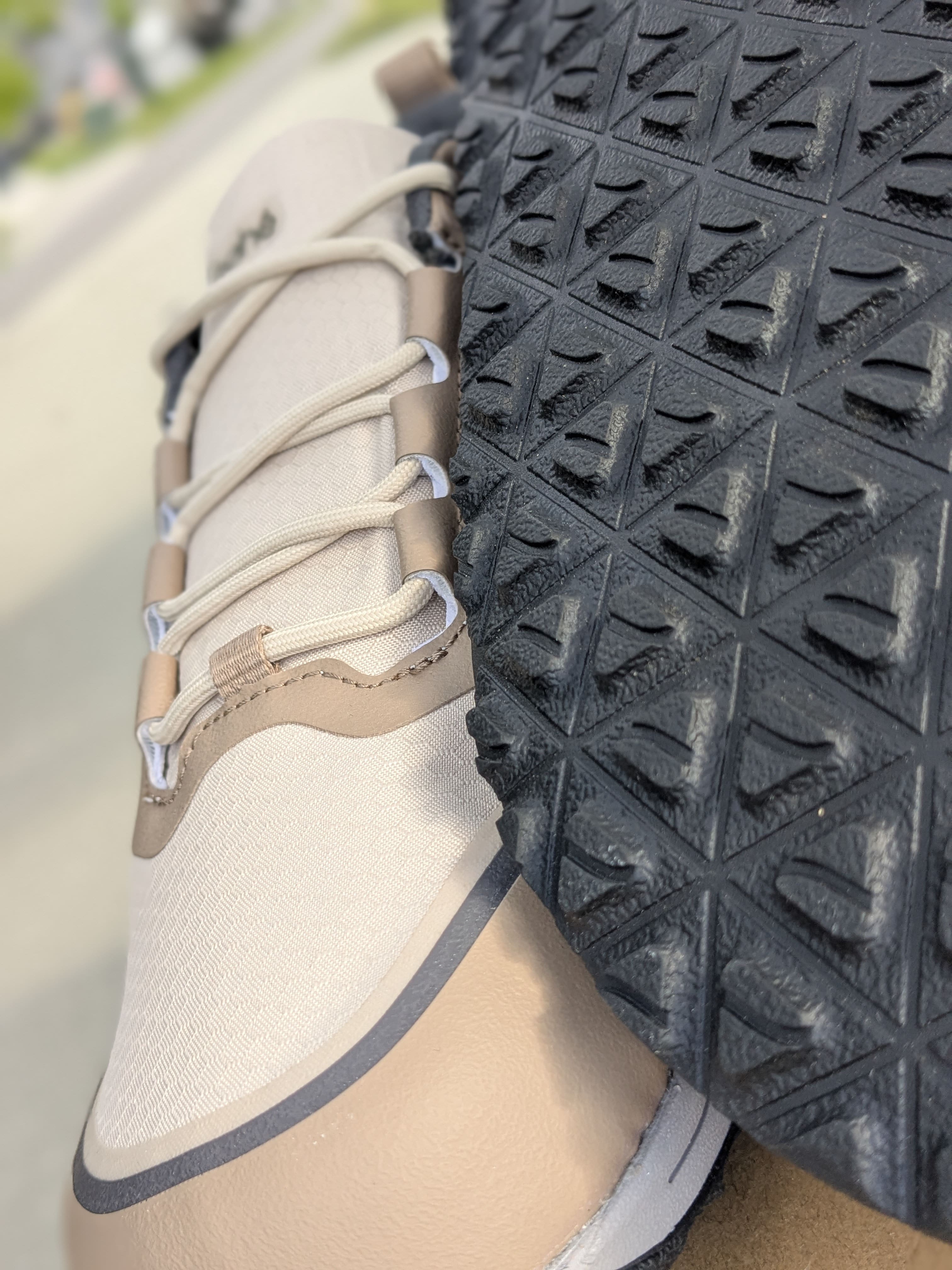
The outsole is identical across all three stack heights: 2.5mm lugs in a hybrid trail/road pattern. This is a versatile tread that works well on a variety of surfaces, but it’s not aggressive enough for serious mud or technical terrain.
How is traction on different surfaces?
On dry trails, gravel, and rocky terrain, traction is excellent. The rubber compound is slightly tacky (similar to Vibram), and the lug pattern provides good purchase on hard-packed surfaces. I’ve felt confident on scrambles, wet rocks, and loose gravel.
In mud, the Rewild struggles. The 2.5mm lugs simply aren’t deep enough to penetrate mud and find grip underneath. If you’re hiking in the UK fells or anywhere with deep, sticky mud, you’ll want a more aggressive tread pattern. The Rewild will work on light mud and damp trails, but it’s not a dedicated mud shoe.
On roads and pavement, the Rewild performs surprisingly well. The hybrid tread doesn’t feel clunky or loud on hard surfaces, which makes this a genuine door-to-trail option. You can drive to the trailhead, hike all day, and walk through town afterward without feeling like you’re wearing aggressive trail shoes.

How durable is the outsole?
The rubber compound is relatively soft, which means it will wear down over time. I’m already seeing minor lug wear after about 50km of mixed hiking. If you’re primarily on rocky terrain or pavement, expect the lugs to flatten fairly quickly.
For trail-focused hiking, durability should be fine. Soft trails, dirt, and gravel won’t accelerate wear significantly. But if you’re doing a lot of road walking or scrambling on sharp rocks, monitor the outsole and expect to replace these shoes after 400-500km of hard use.

Bahé Rewild
All three Rewild modes include Bahé’s Ground Flow System—conductive material woven through the outsole, midsole, and insole that maintains electrical contact with the earth. The theory is that grounding (or earthing) reduces inflammation, improves sleep, and supports recovery.
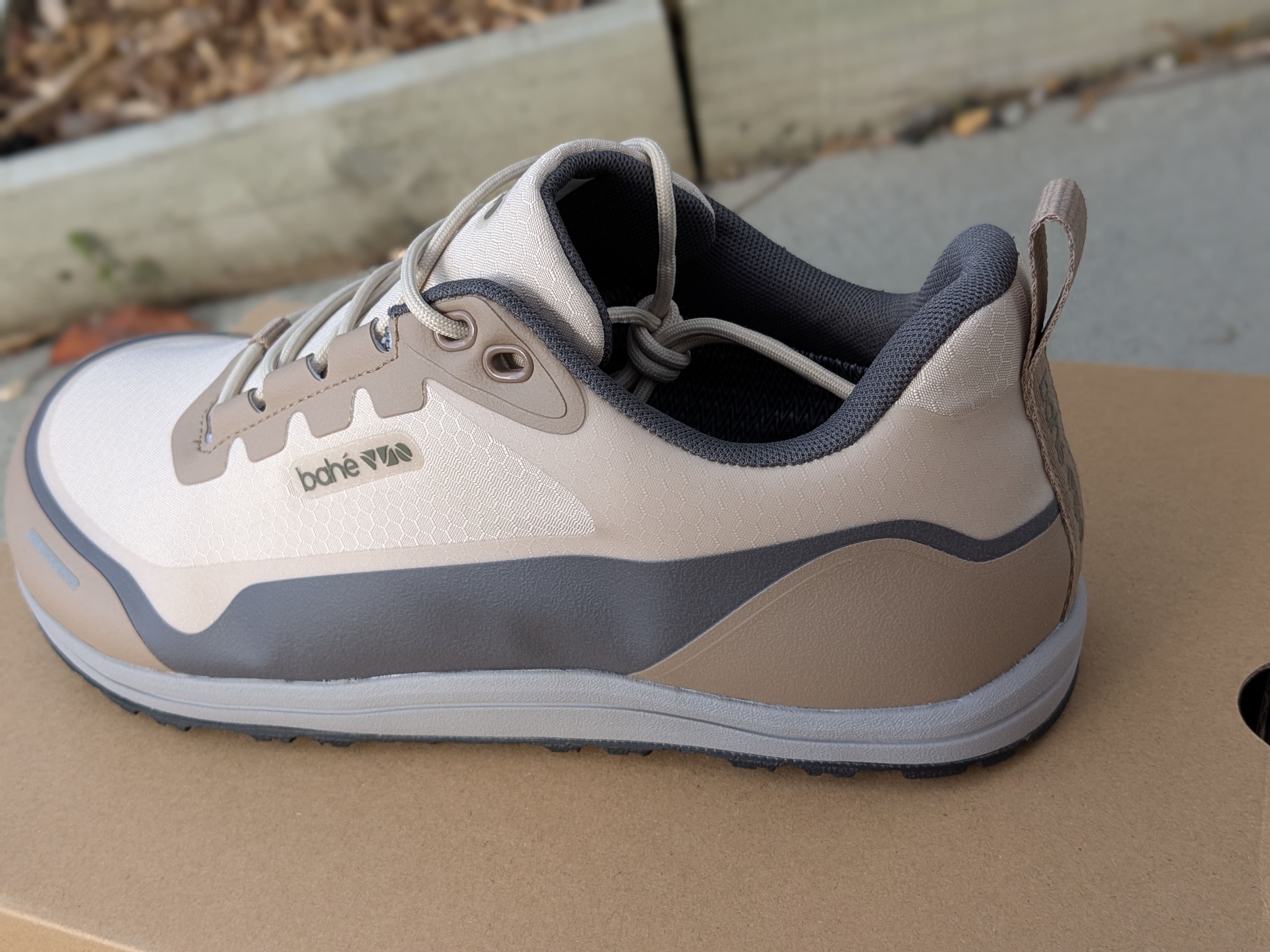
There is some research supporting grounding benefits. Studies have shown reduced inflammation markers and improved sleep quality in participants who maintained regular electrical contact with the earth. However, most studies involve sleeping on grounded bed sheets or wearing grounded patches—not hiking in grounded shoes.
My honest take: I’d buy these shoes regardless of the grounding technology. They’re well-designed hiking shoes with a great fit, versatile stack height options, and solid construction. The grounding feature is a bonus. If it provides benefits, fantastic. If not, I’ve still got a great shoe.
If you’re skeptical about grounding, don’t let it dissuade you from the Rewild. These are good shoes first—the grounding tech is secondary.
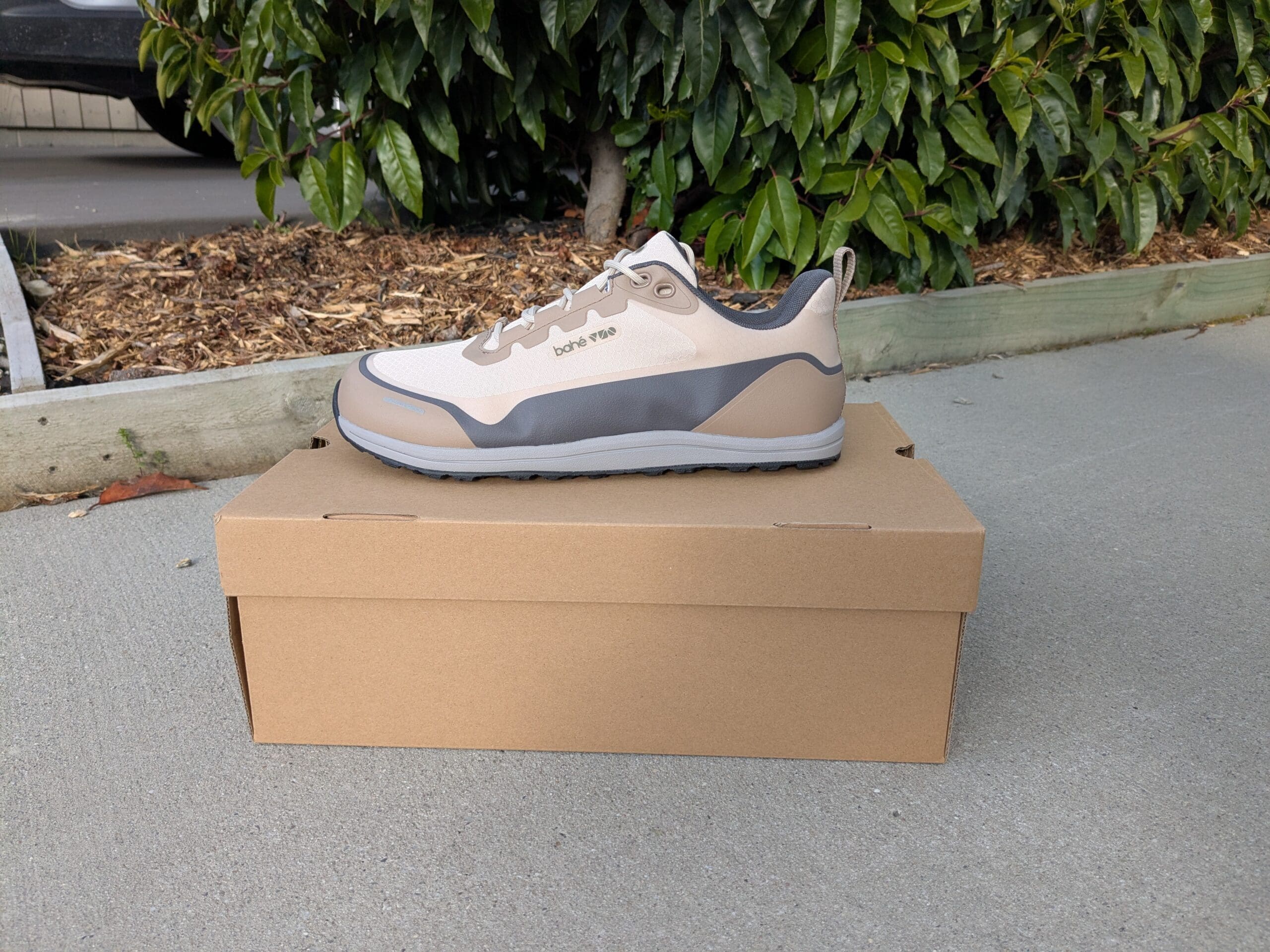
Bahé Rewild
Bahé is a relatively new brand, so long-term durability data is limited. I’ll assess based on materials, construction, and early wear patterns.
Midsole durability
The Endurance has the most midsole material, which means more potential for uneven packing. Over time, the cushioning will compress, and higher-stack shoes tend to pack out unevenly. However, Bahé uses a firmer midsole foam than most brands, which should mitigate this issue.
The Adapt should hold up well. The balanced stack height and firm foam mean less compression and more even wear. I’d expect the Adapt to maintain its feel longer than the Endurance.
The Flex has minimal midsole, so packing out isn’t a concern. This is one advantage of minimal shoes—there’s simply less material to degrade.
Upper durability
The waterproof membrane adds structure, which should improve upper durability compared to the mesh Revive. The membrane reinforces the upper and reduces the likelihood of tears or abrasions from trail debris.
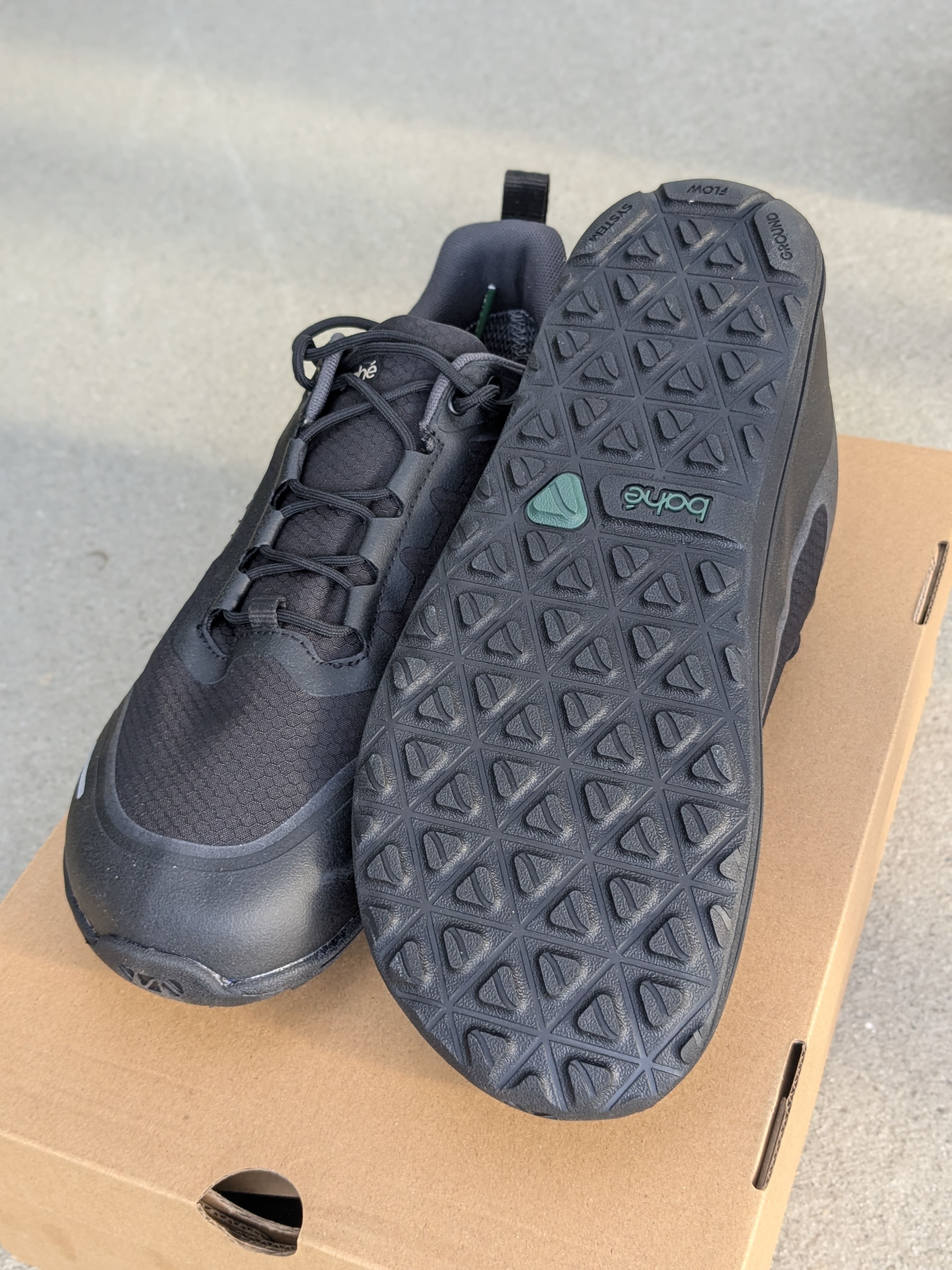
Watch the flex zones. The Endurance has cutouts in the forefoot where the upper folds inward with each step. These are stress points where the material experiences repeated flexing. Bahé has reinforced these areas with overlays, but long-term wear at these creases is something to monitor.
The ankle collar and lacing area seem well-constructed. I haven’t seen any fraying or material breakdown after 50km of hiking. The cotton laces are higher quality than the original Revive, which had issues with fraying.
Outsole durability
As mentioned earlier, the soft rubber compound will wear faster than harder compounds. Expect 300-500km depending on terrain. If you’re primarily on trails, you’ll get closer to 500km. If you’re on roads and rock, expect closer to 300km.
Bahé Rewild
This is the critical decision. Both shoes share the same fit, last, and construction. The only difference is the waterproof membrane. Here’s how to decide:
Choose the Rewild if:
- You hike in cold weather (below 10°C / 50°F)
- Your trails are consistently wet (rain, snow, streams)
- You need waterproofing for multi-day trips
- You prioritize dry feet over breathability
Choose the Revive if:
- You hike in warm or moderate weather
- Breathability matters to you
- You prefer a more flexible upper
- You’re primarily trail running (not hiking)
- You want a lighter shoe with more natural flex
The deciding factor is temperature and moisture. If you’re hiking in Scotland in November, get the Rewild. If you’re hiking in Colorado in July, get the Revive.
I keep both in my rotation. The Rewild is for cold, wet conditions. The Revive is for everything else. If you can only choose one, think about where you hike most often and what conditions you encounter.
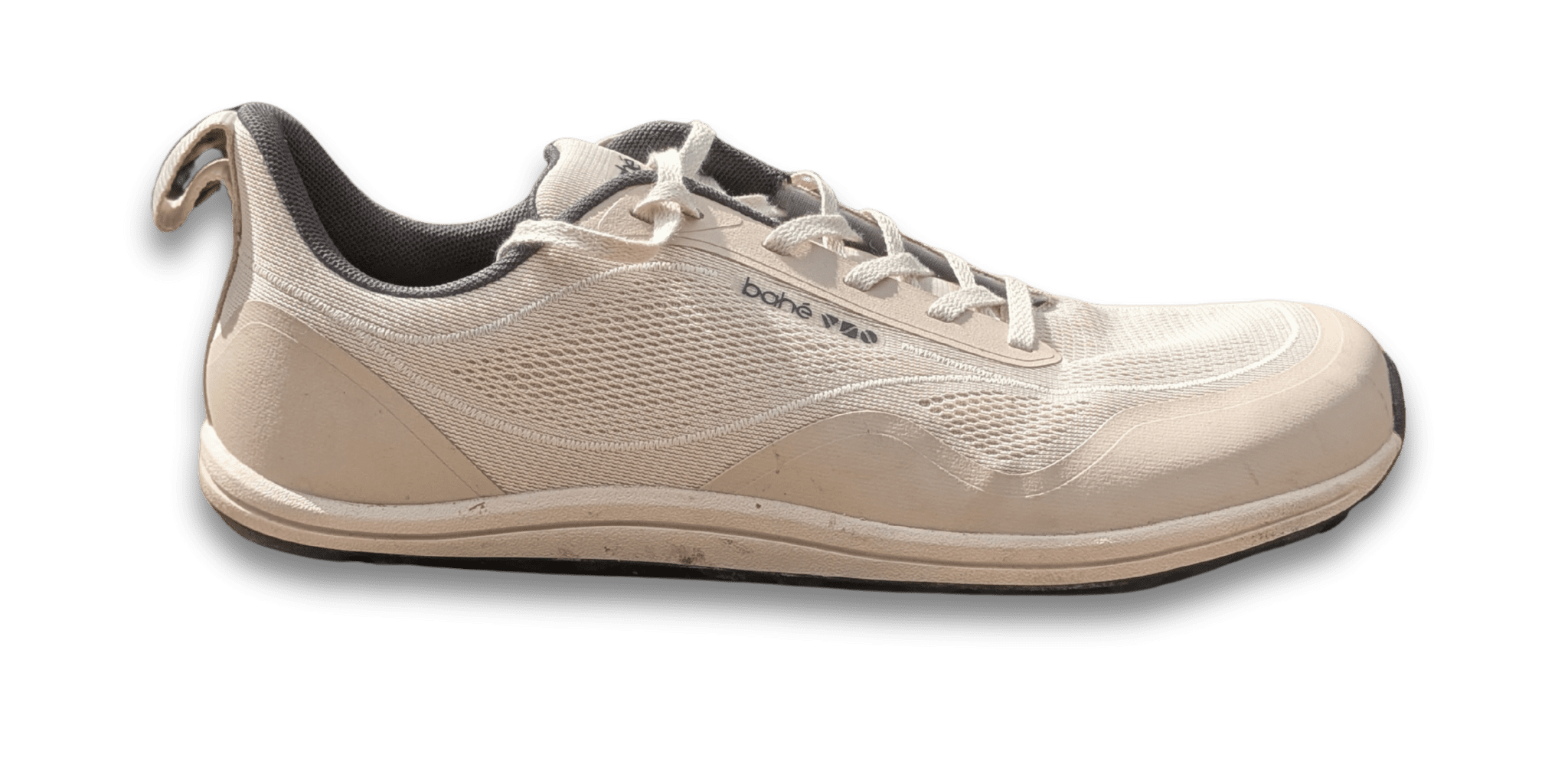
Bahé Revive (Breathable Version)
If you’re hiking in warm weather or prioritize breathability, the Revive is the better choice. Same fit, same versatile stack heights (Flex, Adapt, Endurance), but with a breathable mesh upper instead of waterproof membrane.
Assuming you’ve decided the Rewild is right for you, here’s how to choose your stack height:
Get the Adapt (14mm) if:
- You want one versatile shoe for all conditions
- You’re transitioning from traditional hiking boots
- You value lightweight performance
- You hike with light to moderate pack weight
Get the Endurance (22mm) if:
- You’re carrying heavy packs (15kg+)
- You have sensitive feet or are recovering from injury
- You’re new to barefoot/minimal footwear
- You prioritize cushioning over ground feel
Get the Flex (10mm) if:
- You’re a barefoot purist who demands maximum ground feel
- You primarily use it for casual wear or walking
- Weight doesn’t matter to you
- You’re not using it for serious hiking
For most people, the Adapt is the right choice. It’s the lightest, most versatile, and most balanced option. The Endurance makes sense for specific use cases (heavy packs, injury recovery, maximum cushion). The Flex is a niche option that works better as a casual shoe than a hiking shoe.
The Bahé Rewild is a well-executed waterproof hiking shoe with a genuinely wide, accommodating fit. If you’ve struggled to find barefoot or minimal hiking shoes that fit your wider, deeper feet, the Rewild is worth trying.
The three stack height options give you real choice. Unlike brands that make superficial changes and call them different shoes, Bahé has created three genuinely different experiences while maintaining fit consistency. That’s smart product design.
But the Rewild isn’t for everyone. If you don’t need waterproofing, the Revive is a better option—more breathable, more flexible, and lighter. The waterproof membrane is a trade-off, not an upgrade.
If you do need waterproofing, the Rewild delivers. It keeps your feet dry in cold, wet conditions without sacrificing the wide fit and zero-drop platform that make Bahé shoes unique.
My recommendation: Get the Adapt in Rewild for cold/wet hiking, and get the Adapt in Revive for warm/dry conditions. That gives you year-round coverage with consistent fit and versatile performance.
And if you’re between sizes? Go up. The lack of half sizes is frustrating, but going up gives you the length and splay room your toes need, especially on downhill sections.
Bahé Rewild (Waterproof)