
You’ve got your running clothes on. Your watch is charged. You’ve done the dishes, watered the plants, and ticked off all the chores that didn’t need doing. Now...
You’ve got your running clothes on. Your watch is charged. You’ve done the dishes, watered the plants, and ticked off all the chores that didn’t need doing. Now it’s time for a run.
The biggest question is, what shoes do you wear?
Those thin-soled Xero Shoes designed to optimize your barefoot running gait?
Or.
Those thick carbon-plated Nikes built to propel you down the road faster than a cheetah?
Today, we’re going to talk about Barefoot vs.Traditional shoes! More specifically, we’ll dive into which option is best, why, and for what situations.
Why are we talking about this? Because shoes are a tool. And a tool should only be used in the right context. And barefoot shoes are a very different tool compared to traditional shoes –and it’s essential to understand which tool to use in certain scenarios. No more chopping a tree down with a bread knife.
So, whether you’re a seasoned barefoot enthusiast or a traditional runner looking to make the barefoot switch, I’ll shed light on the health implications, performance considerations, and run-specific factors that could help you choose between barefoot and traditional options.
Health Implications of Barefoot Running
Chances are you’ve heard that barefoot may reduce injury risk (especially if you’ve read some of my other posts). But there’s also a high possibility that you’ve heard the opposite too!
That’s because it’s a complicated story. But first, let’s understand why we’d want to run barefoot in the first place.
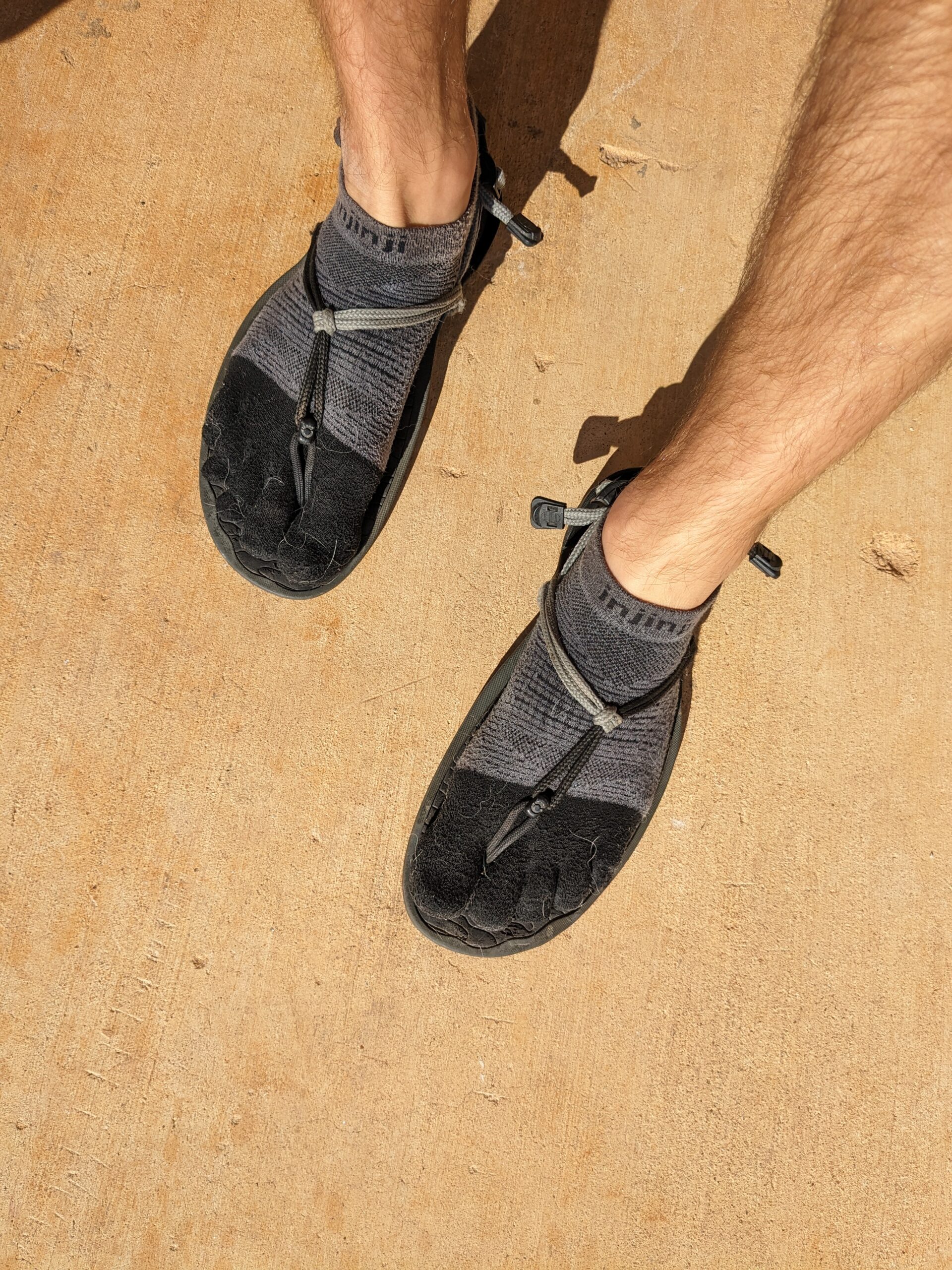
It’s simple. And studies show it.
 And
And
Participants saw a 60% increase in foot strength after walking in minimal shoes for 6 months.
Why wouldn’t you want to increase your foot strength and reduce injuries?
We can also apply a bit of logic to the decision too.
As runners, we’re willing to go to the gym or roll out the yoga mat to improve our strength and stability. Well, barefoot is the same thing!
Walking and running barefoot helps increase strength in the feet and lower legs, making these areas more resilient to the everyday pounding we put them through when running!
If that’s true, why do so many people get injured when transitioning to barefoot? Let’s answer that.
Why do many become injured when they start to run barefoot?
In an ideal world, every human would have a perfect gait, optimal mobility, and impeccable foot strength to withstand 1000’s of barefoot steps a day.
Sadly, that’s not the case.
- We’re not born perfect.
- Things in our modern, everyday lives weaken, damage, and change our bodies in a myriad of ways.
So when you add barefoot running into the mix, you’re at a high risk of injury.
Instead, we have to introduce barefoot training slowly.
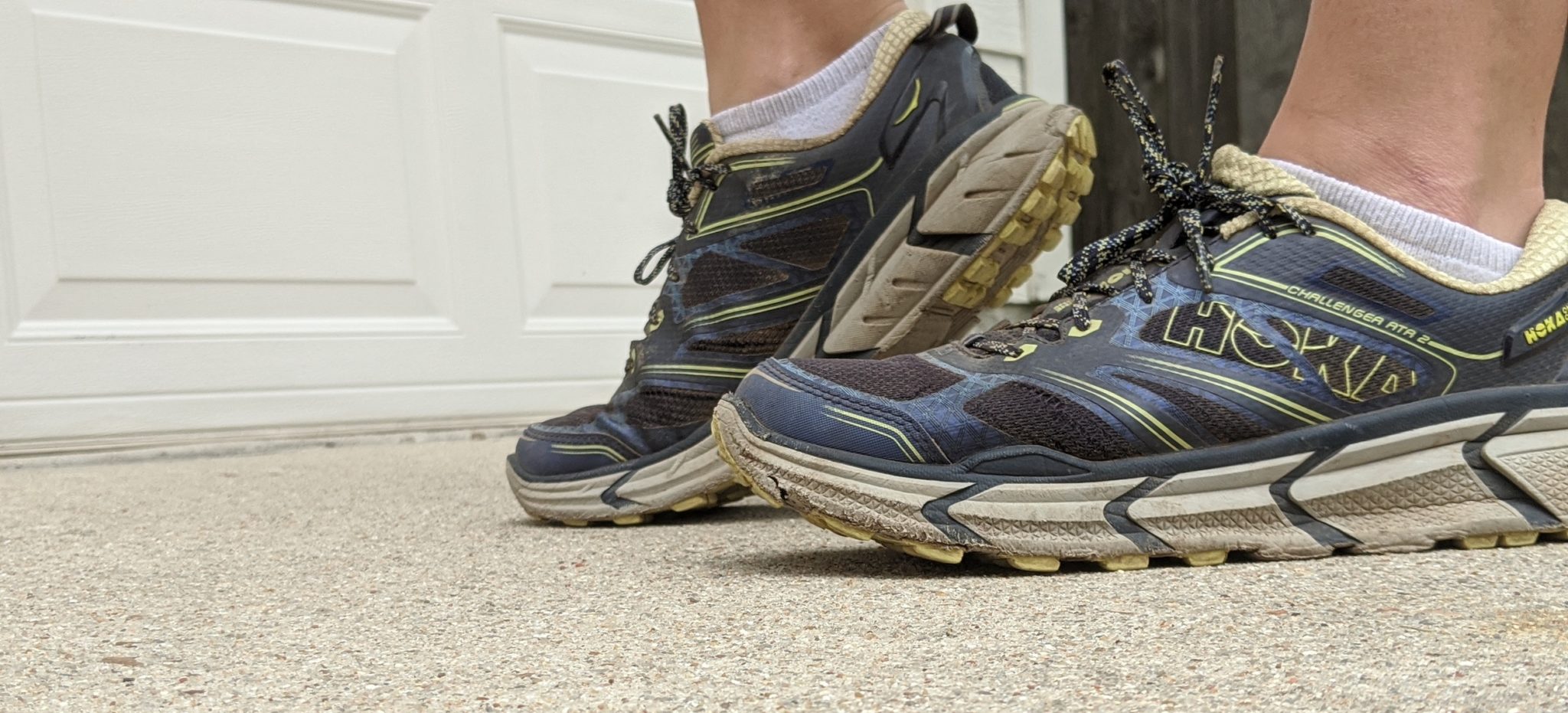 I know what you’re saying right now, “aren’t we born to run barefoot?”
Well, yes, true. We all could learn to walk and eventually run barefoot. Still, a lifetime of confining our feet in highly supportive and cushioned shoes (traditional shoes) has weakened our feet and lower legs to the point where it’s challenging to reintroduce barefoot practices.
That leads us perfectly to the specs of traditional shoes and how they even came about.
Performance Aspects of Traditional Running Shoes
First of all, what do we mean by traditional running shoes?
What are traditional running shoes?
What I’m referring to is the larger running shoe market. Think Nike, Brooks, Hoka, and New Balance.
They’ll usually have lots of cushion, some stability aspects, and are not shaped like a natural foot, i.e., pointed at the end or excessively narrow in the midfoot.
Technically, the use of the word “traditional” is wrong. If anything, traditional shoes would be simple barefoot sandals or leather wraps that hunter-gatherer tribes would have used 1000’s of years ago.
Instead, the word “conventional” makes much more sense here because most runners out there are running in shoes of this type.
Can conventional shoes make you faster?
When comparing conventional vs. barefoot shoes, 9 times out of 10 you’ll run faster in conventional shoes.
There are many reasons, but the simplest one to understand is related to cushioning.
When you add 20-40mm of cushioning, you’re essentially lengthening your leg.
A longer leg and soft cushioning underfoot allow you to lengthen your stride. And speed is just a factor of stride length and cadence (steps per minute).
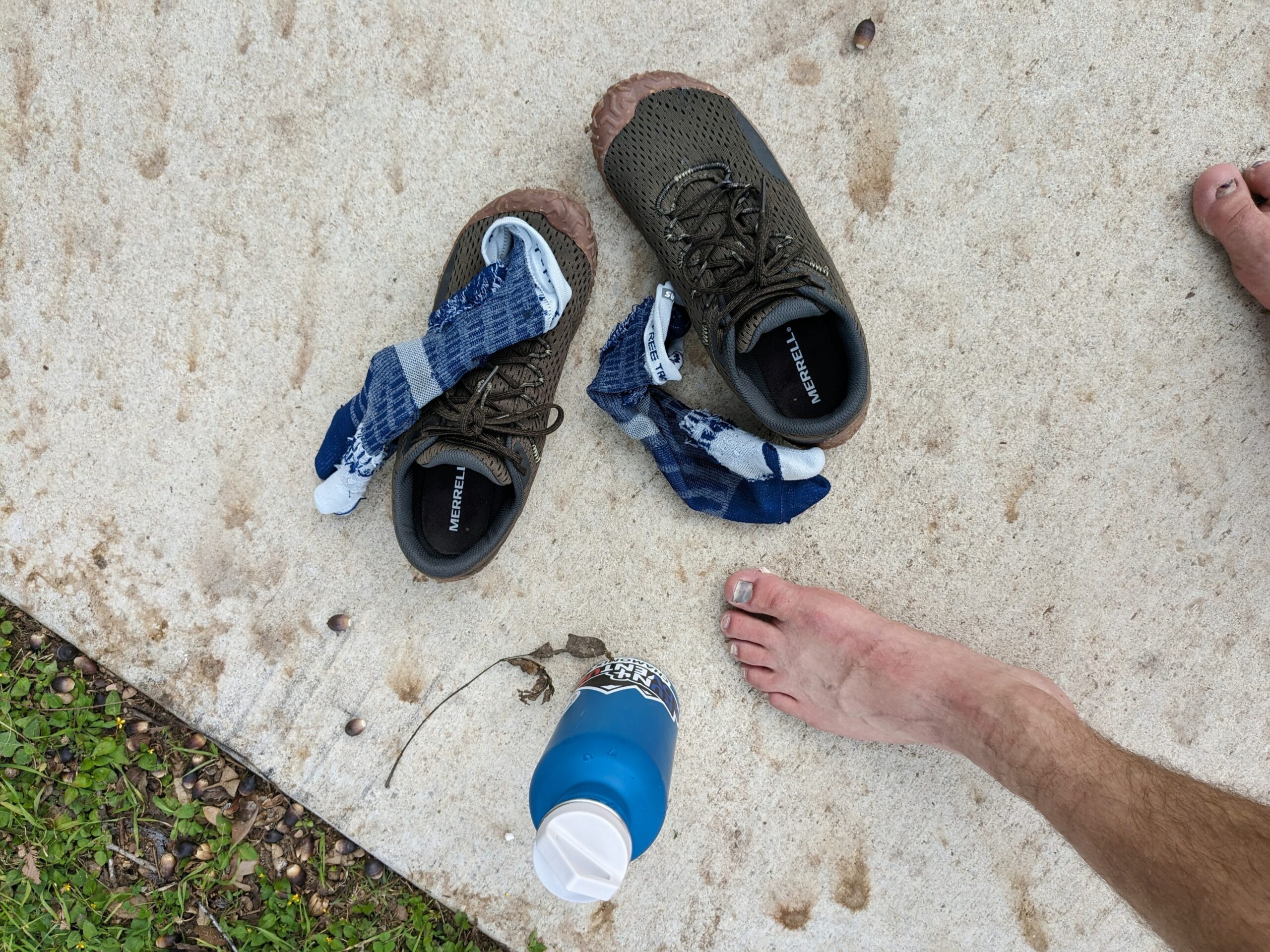 So, if you keep your cadence the same and lengthen your stride, you’ll be faster!
No wonder shoes have been growing in recent years, eh?
Conventional shoes on the Trail
Cushioned shoes have another advantage when it comes to trail.
If you’ve ever run in minimal shoes on rocky terrain, you’ll know how easy it is to end up with a bruised heel. No matter how careful you are with foot placement, it only takes one misstep, and you’re left limping away.
Add a bit of cushion underfoot or even a rock plate, and that all goes away!
It also allows you to move quickly across rough terrain. You can run worry-free when you don’t have to avoid the sharp rocks as much! And fast!
That’s not to say you should wear cushioned shoes all the time. If you’re heading on a smoother trail or keeping the pace down, barefoot shoes have huge benefits.
Balancing Longevity and Performance
Now, you should be able to see that traditional shoes AND barefoot shoes have their place.
- Barefoot shoes are great for strengthening and building resilience in your legs and feet
- Traditional shoes are great for speed and protection
The real question is which option to choose and when.
Let’s look at a few scenarios.
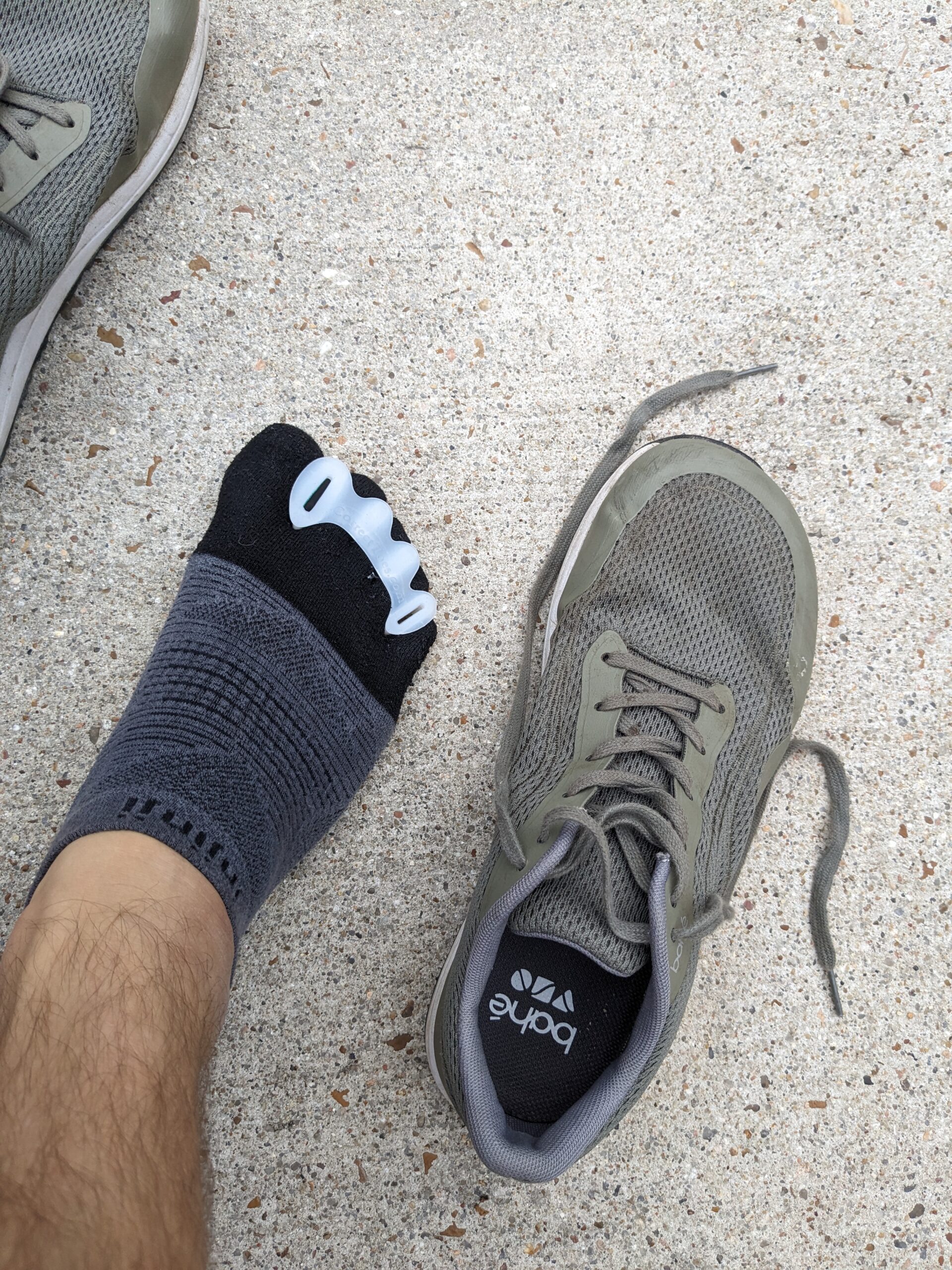
Long slow training run
The first question is, what’s the goal of the training run?
I would guess it’s to improve our running ability and performance.
And barefoot shoes make sense because we’re looking for improvements, not performance on the day.
As long as the run isn’t too fast and is not much longer than what you’ve already run in barefoot shoes in the past, barefoot shoes are a great option!
Fast intervals, or the road or the track
When we’re performing intervals, we’re doing so to increase strength and speed. But importantly, we’re not trying to create the best performance on the day.
During an interval, you are stressing your body to invoke the body’s repair process to build back stronger.
Because of that, I’d suggest using barefoot shoes to benefit from the lower legs and foot-strengthening aspects.
Race day
It’s race day, and you’re looking for a PR!
The answer here is obvious. You want to use every tool in your arsenal to make you faster.
So feel free to slip on a conventional running shoe or even one of the new super shoes and let your legs fly!
Rocky trails or trail racing
Similar to the Race day. If you want to go fast, find a pair of conventional trail shoes you’re happy with and run as quickly as possible.
In addition to the race day, if the trail is rough, it’s a safe bet to add a little cushion so you don’t get injured.
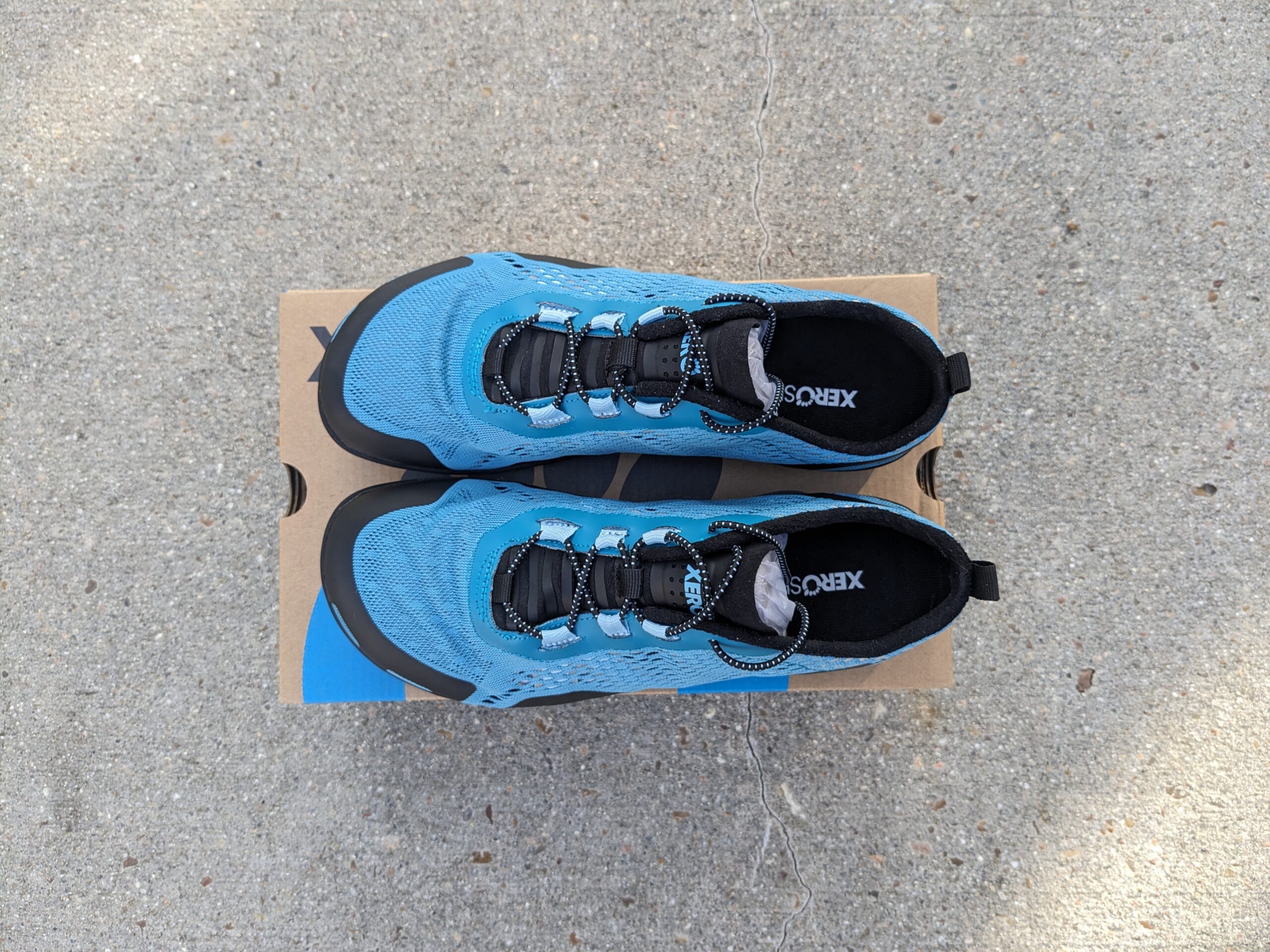
Personalized Shoes Recommendations
Now we’ve looked at what shoes to wear and when. It’s time to find some shoes!
All these recommendations will be wide-toe box, “foot-shaped” options. *Why? *Because confining your feet to shoes that don’t fit the foot –specifically the natural splay of our toes –correctly is a surefire way to injury and future issues.
Long slow run option (road)
Long Slow run option (Trail)
Fast Intervals
Race day (Road)
Race day/rough terrain (Trail)
Conclusion
By now, I’m hoping you can see the benefits of both barefoot and traditional shoes.
- Barefoot is a training tool.
- Traditional shoes are a performance enhancer and protective solution.
There are a few other situations where traditional shoes can help you get through bouts of injury, but the goal is to avoid building a reliance on them for your running needs.
Personally, I can run any of my training runs, races, and daily excursions in minimal shoes. Knowing that my body can carry me a whole marathon or even an ultramarathon is reassuring. But I also understand if I were to be chasing times or pushing boundaries, “performance-based” shoes could give me an extra advantage.
You may now question, “How do I start running barefoot?”
Luckily, I have the answer for you!
In my course, “Your Barefoot Journey,” I take you from zero to 5km in minimal shoes. I lay out the steps you need to follow week-by-week, and they’ve all been designed to fit into everyday life. Best of all, you don’t need to reduce your regular training at all!